-
 © Oskari Porkka | Dreamstime.com
London’s cobblestone lanes are layered with history, from grand landmarks to tucked-away shops and timeworn pubs. Exploring the city’s oldest public houses offers a unique way to connect with that past—each tavern carries stories of generations of Londoners, famous visitors and memorable events. Below are some of the most atmospheric and historically rich pubs worth visiting. -
© Patricia Hofmeester | Dreamstime.com
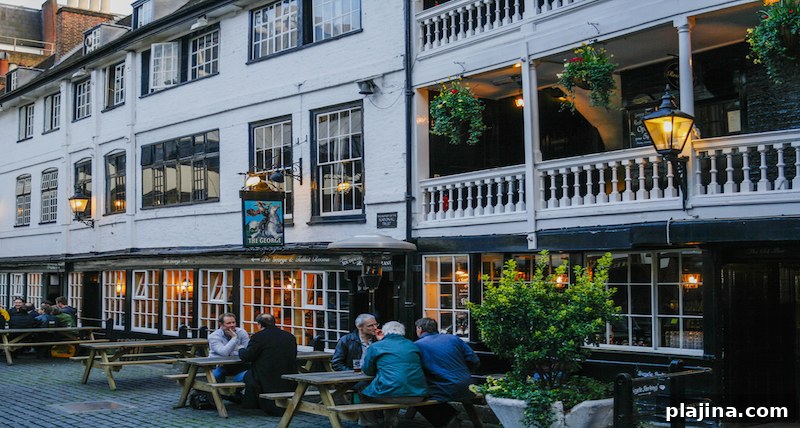
The George Inn, built in 1677, is one of London’s oldest public houses and the last surviving galleried coaching inn in the city. Nestled close to the River Thames, it has long attracted writers and travelers; Charles Dickens mentioned the inn in Little Dorrit. Today its timbered galleries and historic atmosphere make it a favorite for visitors seeking a step back in time. -
© Noldor130884 | Dreamstime.com
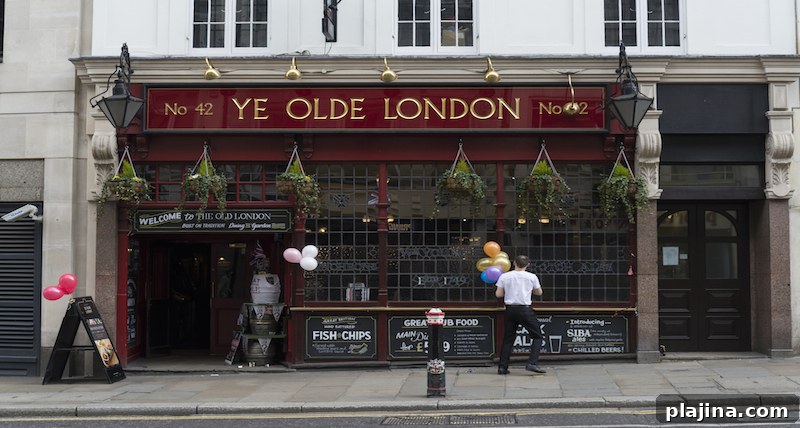
On Ludgate Hill stands Ye Olde London, established in 1749 on the site of an earlier coffee house frequented by influential figures such as Joseph Priestley and Benjamin Franklin. With its classic wood-window façade, cask-aged ales and warm welcome, it captures the timeless charm of central London and remains a favored spot for locals and visitors alike. -
© Fritz Hiersche | Dreamstime.com
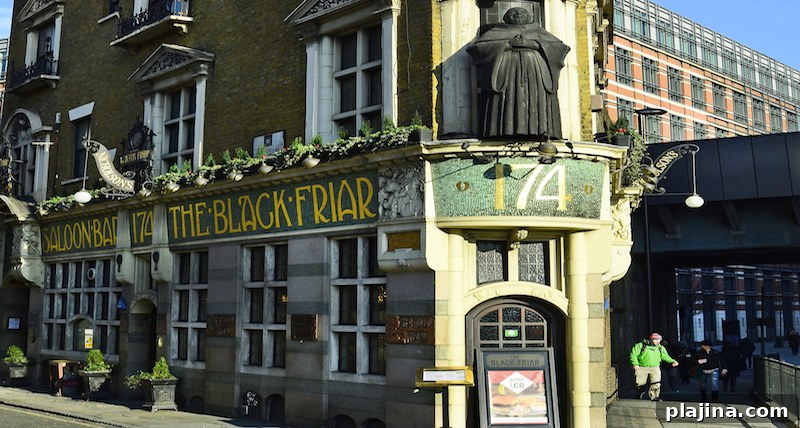
The Black Friar, near Blackfriars Bridge and Fleet Street, is a distinctive early 20th-century pub designed in the Art Nouveau style by Henry Poole. Its decorative reliefs, sculptures and mosaics pay tribute to the friary that once stood on the site, making it an interior and exterior delight for anyone interested in architecture and history. -
© Thinglass | Dreamstime.com
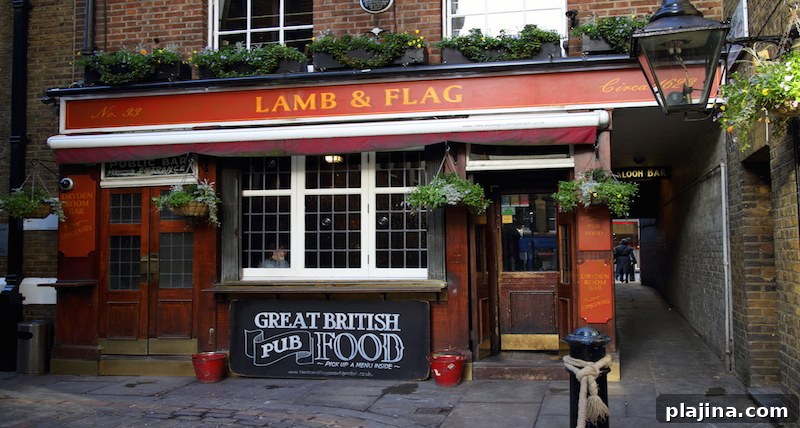
The Lamb and Flag in Covent Garden is a Georgian-era pub with a storied past. In the 19th century it drew regulars like Charles Dickens and became infamous for bare-knuckle fights. Today it’s a cozy, characterful place to enjoy a pint and soak up the neighborhood’s theatrical energy and old-world atmosphere. -
© Slawek Kozakiewicz | Dreamstime.com
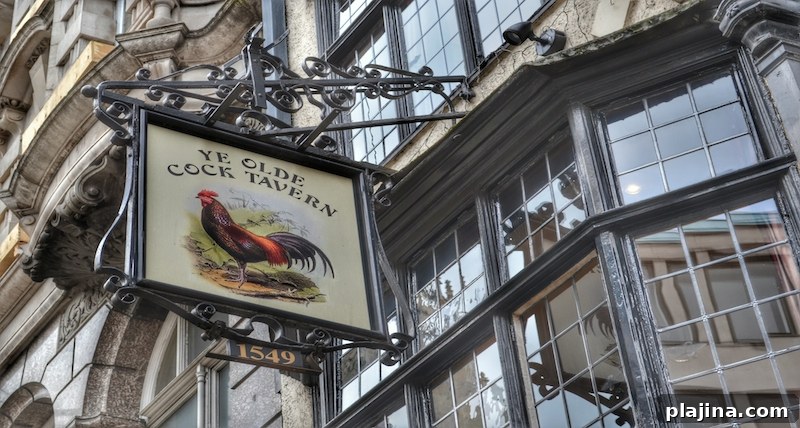
Ye Olde Cock Tavern, with origins dating back to 1549 and relocated to its present site in 1887, stands opposite Temple Church and the High Courts. Noted for its remarkably narrow façade, the tavern welcomed visitors such as Samuel Pepys, Samuel Johnson and Charles Dickens. After briefly closing during the Great Plague, it reopened and continued as a fixture in legal and literary London. -
© Minacarson | Dreamstime.com
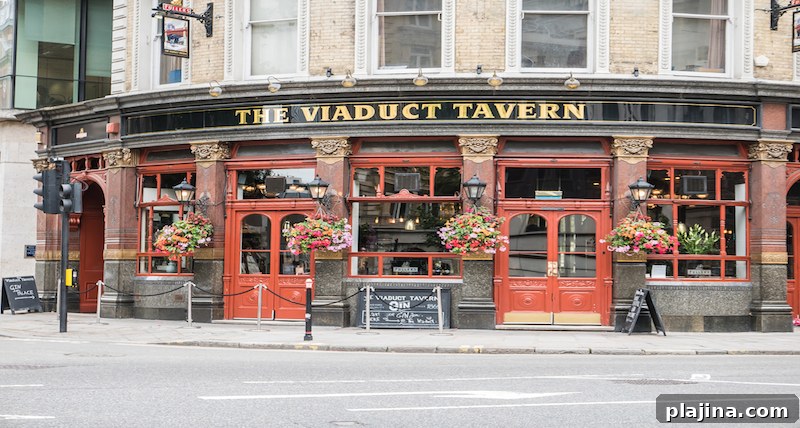
The Viaduct occupies the site of a former jail and preserves five former cells visible in the basement. The interior is richly decorated with period chandeliers and ornate mirrors, and the pub has become known for its crafted gin cocktails. It’s an evocative blend of historic intrigue and contemporary hospitality. -
© Tupungato | Dreamstime.com
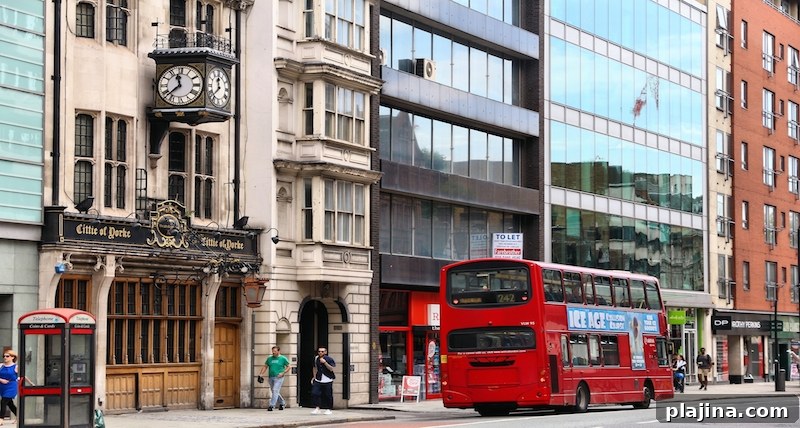
The Cittie of Yorke on High Holborn was rebuilt in 1920 but occupies a site associated with public houses since the 15th century. Its interior celebrates Georgian, Victorian and Regency influences and is listed on the National Inventory of Historic Pub Interiors, making it a notable stop for anyone interested in period design and traditional London drinking culture.