
BLUFF, AT THE SOUTHERN TIP of New Zealand’s South Island, marks either the end or the beginning of an epic journey. Under the famous signpost, hikers pause for photos and you can often tell at a glance whether they are southbound—tired but triumphant—or northbound—nervous yet excited. This is one terminus of the Te Araroa Trail, the long-distance route that stretches the length of New Zealand. From here, those heading north face about 1,864 miles of coastline, forests, wetlands and mountains.
Te Araroa is far from an easy stroll, though it crosses many spectacular parks along the way. Successful completion demands careful planning: suitable gear, sufficient food and funds, and for international visitors, an appropriate long-stay visa. Walking the full route typically takes around six months—roughly three months for each island, with a short ferry crossing across Cook Strait between them.
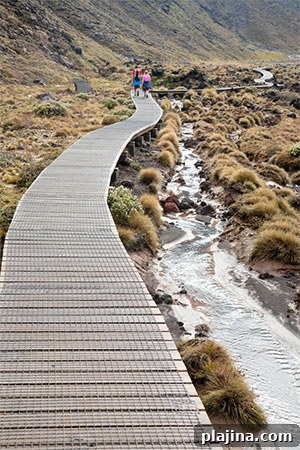
Public walking path © DMITRY NAUMOV |
DREAMSTIME.COM
Although the trail is now regarded as one of the world’s great long-distance walks, it is a relatively recent creation. For more than three decades local volunteers connected existing tracks and negotiated new corridors across public and private land to produce a continuous route. The full trail officially opened in 2011 and quickly became a bucket-list objective for international hikers.
Tackling the whole trail in a single attempt is a major challenge. Many amateur hikers prefer to attempt shorter sections first and return later to complete the entire route. Even short segments convey the scale and variety that make Te Araroa special.
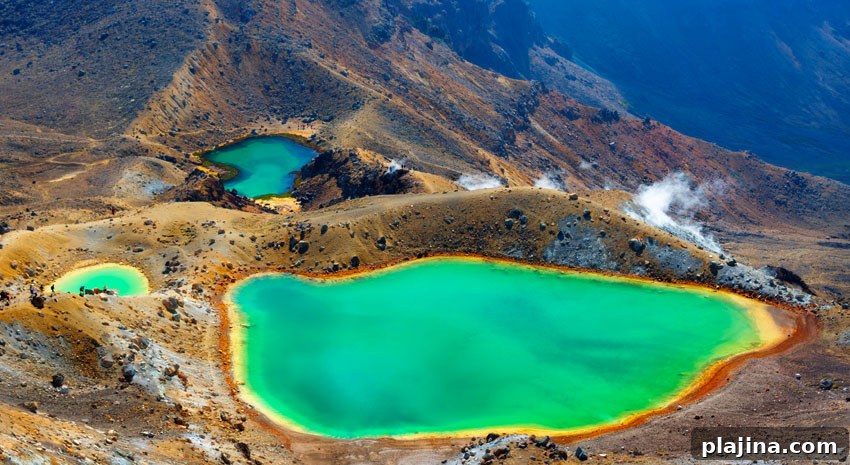
Among the most popular stretches is the Tongariro Alpine Crossing on the North Island, accessible from the central plateau near Whanganui. Fans of The Lord of the Rings will recognize much of the terrain—it supplied the landscape for Mordor in the film trilogy.
The volcanic terrain here is beautiful but active. The route skirts a group of volcanoes, including Mount Ngauruhoe, which last erupted in 1977, and Mount Ruapehu, which erupted in 2007 and remains restless. At times, access to the Tongariro Crossing is restricted because of volcanic activity, so check local advisories before setting out.
Volcanic regions also provide natural hot springs, and soaking in warm outdoor pools is an excellent way to ease aching muscles after days on the trail. Tongariro Springs Boutique Suites, a short drive from the track, offers upscale rooms and two hot pools. Local shuttle operators, many family-run, can arrange transfers to and from trailheads.
On the South Island, another well-loved section passes around Queenstown. A popular multiday option runs between Wanaka and Queenstown, beginning at the shore of Lake Wanaka and traversing alpine country. The route covers about 56 miles and is usually completed in four to five days, with overnight stays in mountain huts.
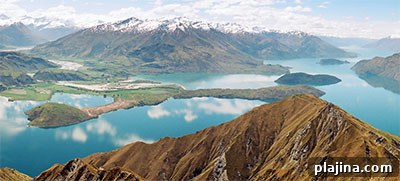
Lake Wanaka panorama © HUGOHT | DREAMSTIME.COM
Reaching Queenstown—New Zealand’s adventure hub—is a rewarding finale for many southbound walkers. The lakeside town offers numerous ways to rest and recover. For a more pampered stay, The Spa at Nugget Point provides comfortable rooms and a menu of spa treatments and massages.
Overall, New Zealand proves an inviting destination for hikers. Trails are generally well maintained and clearly signed. Detailed paper maps and helpful mobile apps keep you informed about weather and route changes. Accommodation ranges from basic huts along the trail to more comfortable lodgings in towns and villages. Wildlife is mainly birdlife, so you won’t encounter bears, big cats or dangerous snakes while walking.
Part of the trail’s appeal is its cinematic scenery. The dramatic mountains of the South Island, the winding tracks between them and the moss-draped forests create a landscape that feels otherworldly—the very reason filmmakers used New Zealand as a backdrop for epic tales.
One drawback is growing popularity. If you commit to walking the whole trail, expect to meet many other hikers pursuing the same goal. The camaraderie can be uplifting and helpful in difficult moments, but some sections can feel busy at peak times. Still, remote stretches remain, and sooner or later you’ll find yourself alone again on a quiet stretch, accompanied only by the sounds of nature and your own footsteps.
New Zealand Info to Go
Auckland International Airport (AKL) is the main international gateway for travelers from the United States. Bay of Islands Airport (KKE) is the nearest commercial airport to Cape Reinga, the northern terminus of the Te Araroa Trail; the road journey from KKE to the Cape takes about two to three hours. Invercargill Airport (IVC) serves the southern terminus at Bluff, which is roughly a 30-minute drive away.