
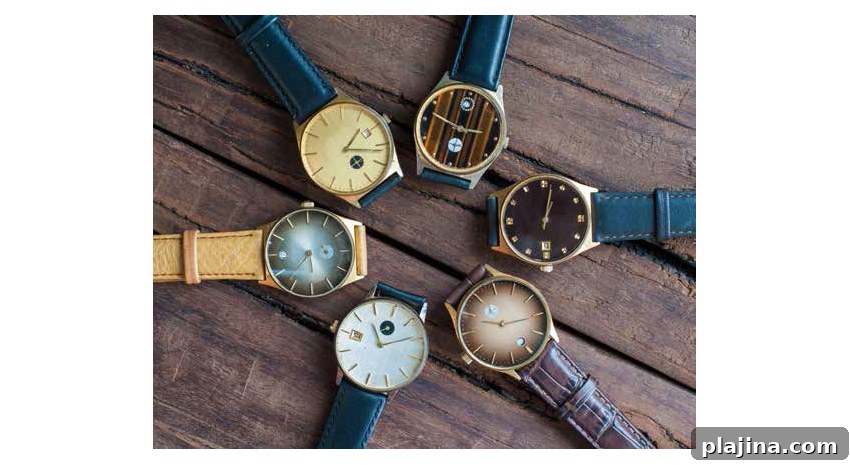
There’s no question the vintage watch market is hotter now than it has been in years. Enthusiasts and collectors use the internet to find rare timepieces they might never encounter in person, while investors increasingly view top-tier collectibles as a way to achieve faster, more predictable returns than traditional stocks or bonds. So how do you shop for vintage watches wisely? After years as a collector and conversations with many experienced buyers, sellers, and consignors, here’s a concise Vintage Watch 101 to help you proceed with confidence.
Do Your Homework
Buying vintage requires more than a quick impulse purchase, especially when a deal looks unusually attractive. Small details matter: incorrect hands, aftermarket crowns, or poorly refinished dials will undermine value compared with an all-original or professionally restored example. Start by researching comparable pieces online. If specific details of the watch you’re considering don’t match a healthy sample of comparables, treat that as a warning sign. Compare asking prices and recent sale prices to see where the listing sits relative to the market; a price that is substantially higher or lower than comparables is a red flag. If the watch passes those checks, ask the seller about provenance and service history. How long have they owned it? When was it last serviced? Lack of service records can mean hidden costs, so factor that into your decision and negotiations.
Choose Sellers Wisely
The web — and marketplaces like eBay — contain both reputable dealers and less trustworthy listings. Established dealers and specialist platforms typically vet their inventory and will often provide authentication, service history, and clear return policies, which can justify paying full market price for peace of mind. If you’re willing to search more broadly to find better deals, use aggregator marketplaces that verify sellers and consolidate listings from around the world. Sticking to verified sellers reduces, but does not eliminate, risk, so continue to perform the same due diligence on each watch you consider.
Gamble with Caution
Some collectors enjoy taking calculated risks on project pieces or watches that need service; others prefer fully authenticated and serviced examples. If you opt to gamble, do the math first. Estimate likely costs for parts, servicing, and possible refinishing, and add those to your purchase price. For example, if a watch costs $2,000 and you expect $800 in repairs and service, compare that $2,800 total to the market price of an already serviced, presentable model. Sometimes the numbers favor the fixer-upper, other times they do not. The point is to avoid ending up with an expensive lesson and an unwelcome reminder in your collection.
Practical Tips
– Prioritize originality where possible: original dials, hands, and crowns often preserve value better than replacements.
– Request clear, high-resolution photos of the caseback, movement, dial, and any serial numbers.
– Ask for service invoices if available; they can reveal past repairs and indicate how well the watch was maintained.
– Factor shipping, insurance, and potential import taxes into the total cost when buying internationally.
– If you’re new to collecting, consider starting with trusted dealers or buying models with ample documentation to learn the market without taking excessive risk.
Vintage watch collecting blends passion, patience, and practical research. By doing thorough homework, choosing reputable sellers, and calculating restoration costs before you buy, you’ll improve your chances of finding pieces that deliver both enjoyment and long-term value. Whether you collect for love or as part of a broader investment strategy, careful shopping will keep your collection rewarding rather than regretful.