History and culture are woven into every corner of Greece. From its language—the oldest continuously written language in use—to layered traces of ancient civilizations, religions and artistic movements, Greece offers a wealth of cultural experiences for every traveler.
Museums
Greece is home to some of the world’s most important museums, each offering a unique window into the country’s past and creative life. Highlights to include on your itinerary:
- Acropolis Museum: A leading archaeological museum in Athens, dedicated to the excavations and finds from the Acropolis site.
- National Archaeological Museum: Greece’s largest archaeological museum, showcasing a vast collection of artifacts spanning prehistoric times to late antiquity.
- Museum of Byzantine Culture: Located in Thessaloniki, this museum houses more than 3,000 Byzantine objects and provides deep insight into Byzantium’s legacy.
- Cinema Museum: Also in Thessaloniki, this museum charts the history and development of Greek cinema, with exhibits that appeal to movie lovers.
- Museum of Modern Greek Culture: Spread across several buildings, this museum explores the evolution of Greek cultural life, traditions and modern artistic expression.
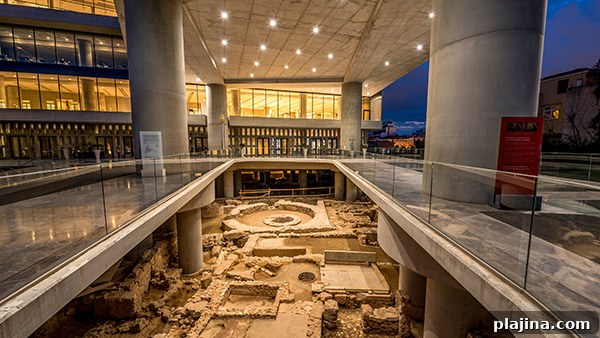
© GNTO
UNESCO World Heritage Sites
Greece’s long and influential history has left it rich in UNESCO World Heritage Sites. These sites capture key moments in art, religion and civic life from antiquity to the medieval period:
- Acropolis: The crowning achievement of ancient Greek architecture and art, an essential stop for any visitor to Athens.
- Delos: An island sanctuary and archaeological reserve, famous in mythology as the birthplace of Apollo and Artemis.
- Medieval City of Rhodes: A remarkably preserved Gothic urban ensemble, including the Palace of the Grand Master, the Knights’ Hospital and the Street of the Knights.
- Archaeological Site of Delphi: Once considered the religious and cultural heart of the Greek world, Delphi remains a powerful archaeological and historic landmark.
- Archaeological Site of Olympia: The birthplace of the Olympic Games, Olympia connects ancient rituals and athletic tradition with today’s global sporting culture.
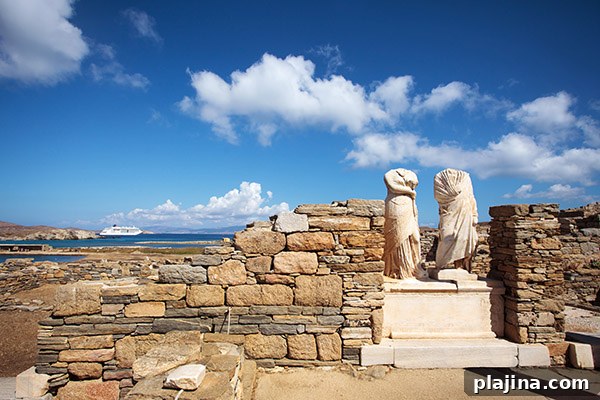
© GNTO
Intangible Cultural Heritage of Humanity
UNESCO’s Lists of Intangible Cultural Heritage recognize living traditions that shape communities. In Greece, several distinctive practices have been inscribed for their cultural significance:
- Cultivating mastic: On Chios, the cultivation and harvesting of mastic from the mastic tree is a centuries-old practice prized for its culinary, medicinal and cultural uses.
- Tinian marble craftsmanship: Marble carving on Tinos is a deeply rooted craft, producing religious and decorative motifs that reflect local identity.
- Rebetiko: A musical and cultural expression that emerged among working-class communities in the early 20th century, rebetiko combines song, dance and storytelling.
- Momoeria: Celebrated in Kozani from December 25 to January 5, momoeria features masked dancers, actors and musicians performing in village streets to welcome the new year.
This selection only scratches the surface of Greece’s cultural offerings. Alongside museums and heritage sites, visitors can explore contemporary art galleries, film and music festivals, theater and dance performances, and vibrant local traditions. These experiences make Greece an exceptional destination for cultural immersion and discovery.