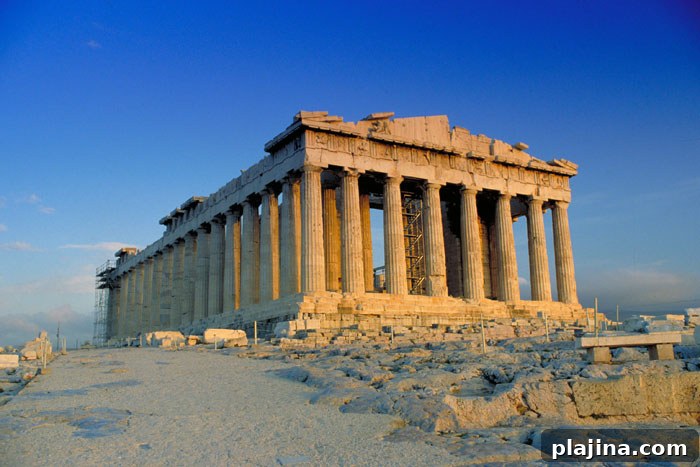
Greece — A World of Destinations
Greece is a country of striking contrasts and timeless appeal. From ancient ruins to sun-drenched beaches, it offers an ongoing journey through history and a mosaic of destinations admired worldwide.
Islands define much of Greece’s landscape and are central to its culture and traditions. The Greek state includes around 6,000 islands and islets scattered across the Aegean and Ionian seas; roughly 227 of those are inhabited. This abundance of islands is a distinctive feature within Europe and shapes daily life, local economies, and tourism.
The dramatic meeting of sea and mountain creates landscapes that surprise and enchant. Living traditions echo the past, so each visit can reveal something new. Whether you explore a bustling city, a secluded isle, or a remote mountain village, Greece promises experiences that exceed expectations.
Culture
Greek culture ranks among the most influential in the world. Continuous habitation from prehistoric times, the achievements of classical Greece, the legacy of Byzantium, and modern developments all contribute to a rich cultural tapestry that sparks the imagination.
Greece is like an open exhibition where centuries overlap and everyday life still reflects historical continuity. A visit to a small island often reveals cultural continuity: commonplace objects and practices there can resemble items displayed in museums, underscoring how tradition remains part of daily living.
Archaeological research and active cultural practices are constant throughout the country. New discoveries regularly bring ancient treasures to light, expanding our understanding of the region’s historical evolution. Museums across Greece preserve and present this heritage; they are repositories of memory in a land where the past is always present.
Gastronomy
Greek cuisine has a recorded history of some 4,000 years and is rooted in high-quality local ingredients. One of the earliest known culinary authors, Archestratos, wrote what is often regarded as the first cookbook around 330 B.C., illustrating the long-standing importance of food in Greek life.
The Greek dietary tradition blends taste and nutrition. Numerous studies highlight the health benefits of the balanced Mediterranean-style diet common in Greece, linking it to longevity, wellbeing, and vitality. Meals in Greece also carry a strong social dimension: eating is a shared, convivial activity that blends flavor with conversation, reminiscent of ancient communal feasts.
Olive oil is central to Greek cooking. Used generously across many dishes, it is prized for both flavor and health benefits. The mild climate also supports natural cultivation of vegetables, so many produce varieties retain vibrant aroma and taste. Fresh Greek tomatoes, cabbage, carrots, onions, parsley, and garlic are especially flavorful. Likewise, seasonal fruits—grapes, apricots, peaches, cherries, melons, and watermelons—offer rich, natural sweetness.
Whether you come for culture, landscape, or food, Greece rewards visitors with authentic experiences rooted in a living past and a vibrant present.