
The Farne Islands sit off the northeast coast of Northumberland, England, about 1.5–6 miles east of the coastal town of Seahouses. Although the archipelago contains around 15–20 islands, the number visible at any time depends on the tide.
Designated a National Nature Reserve and managed by the National Trust, the Farne Islands are protected to preserve their natural heritage and provide public access where appropriate. The National Trust, a conservation charity established in 1895, oversees the islands and supports efforts to safeguard their wildlife and habitats.
Famous as a major bird sanctuary, the Farnes are also a popular location for viewing seals, dolphins and other marine life. There are no permanent human residents on the islands, but they host more than 45,000 pairs of puffins during the breeding season alongside thousands of other nesting seabirds. A small team of National Trust rangers cares for the wildlife and manages visitor activities. Boat operators run guided cruises from Seahouses harbor year-round, weather permitting.
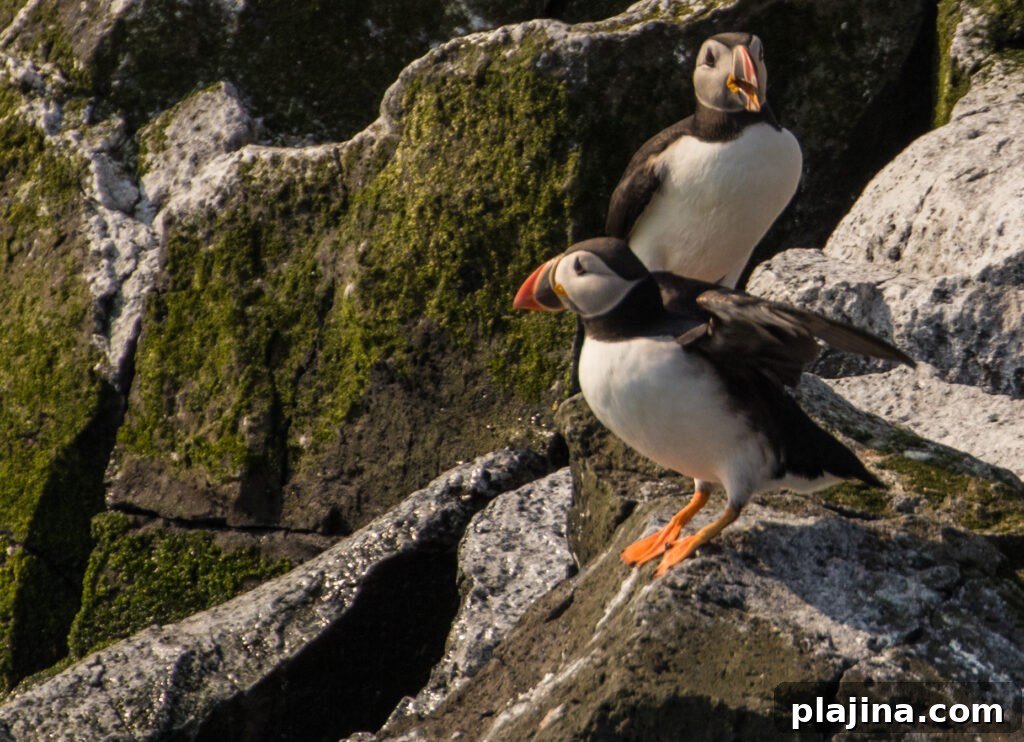
© Brian Clasper
The islands were temporarily closed in 2002 and 2003 to reduce the impact of bird flu after cases were detected before the peak of the breeding season. In recent seasons, a limited number of boat operators have resumed trips under close coordination with National Trust rangers, who monitor the health of the roughly 200,000 seabirds that stop on the islands each year to nest.
Seabird species that nest on the Farnes include eider ducks, fulmars, guillemots, razorbills, roseate terns, kittiwakes, lesser black-backed gulls, common terns, Arctic terns, shags, Sandwich terns and large colonies of puffins. Inner Farne and Staple Island are particularly important breeding sites, supporting around 23 species of breeding seabirds. Migratory seabirds typically return in spring and depart once their chicks are fully fledged in late summer.
Tour boats operate from the harbor at Seahouses. To manage visitor numbers and protect wildlife, only a limited number of operators currently run public tours. Typical offerings include 2.5–3 hour Inner Farne tours (including time ashore), 1.5-hour grey seal and seabird cruises, two-hour puffin and seal cruises, 4.5-hour Holy Island trips with landings, two-hour sunset cruises, one-hour scenic RIB rides, and specialist trips such as dive charters and snorkeling. Additional operators often resume services during the summer season.
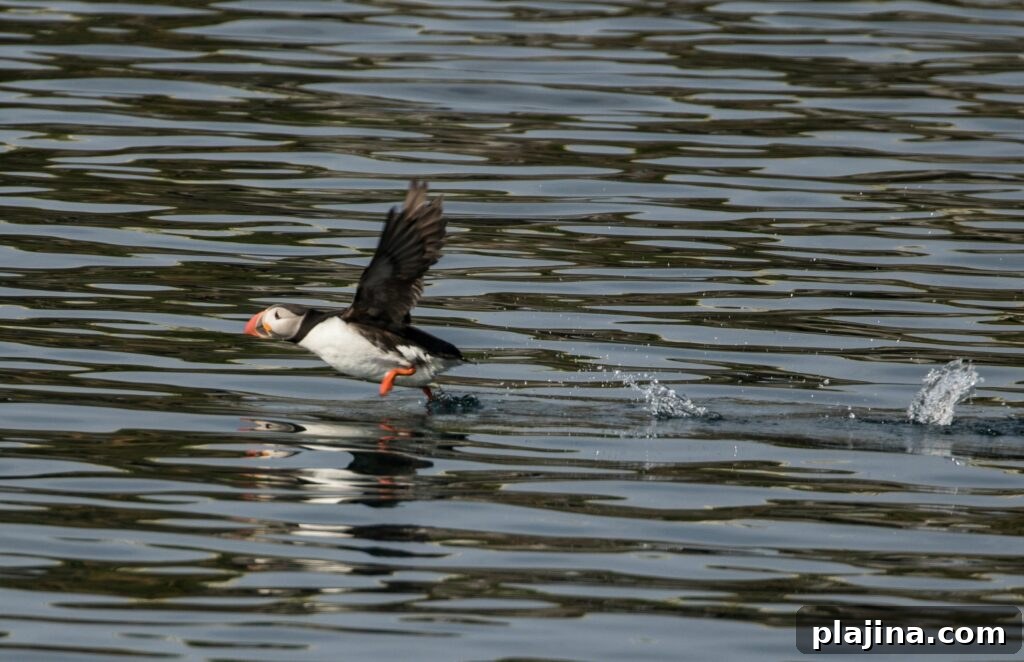
© Brian Clasper
Each year the islands attract tens of thousands of visitors, many drawn in autumn when the Farnes are one of England’s most important grey seal pupping sites, with over 2,000 pups born annually. Inner Farne also features a medieval chapel and a Victorian lighthouse connected by a boardwalk, and it is known for dive-bombing terns. The islands retain historic links with Celtic Christianity and St. Cuthbert, who lived on the Farnes in the seventh century.
“We were waiting a long time for visitors to return to the Farne Islands,” said Laura Knowles, Visitor Operations and Experience Manager at the National Trust. “We are delighted to welcome them back onto Inner Farne and to share the wonderful wildlife of the island up close once again. The nature experience here really is exceptional. Sail-around tours will also continue to be available for those who want to enjoy the islands from the water.”