
Changes may be coming to the Transportation Security Administration’s airport security screening process. Currently being piloted within the TSA PreCheck program, a new initiative would let qualified travelers move through security more quickly by relying on preauthorization and an annual enrollment fee.
One significant development under consideration is wider use of biometric technology. That could mean travelers would be asked to provide facial images in addition to fingerprints, enabling the agency to expand its biometric records and support future enhancements to automated screening systems.
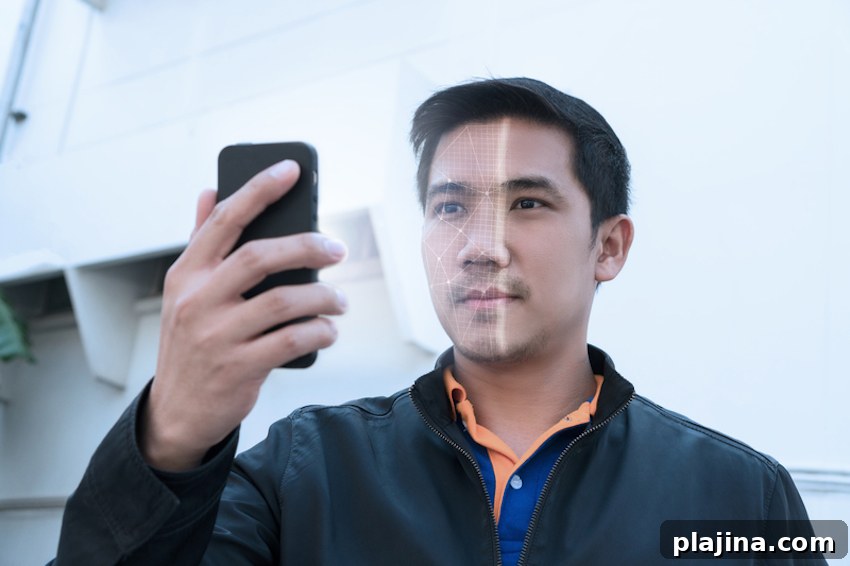
Since September, applicants for TSA PreCheck have been required to upload a photograph as part of their enrollment. As the agency’s collection of these images reaches a critical mass, TSA plans to begin testing facial recognition capabilities by matching live scans at checkpoints against the photographs stored with applicants’ profiles.
Today, TSA PreCheck members typically verify their identity using fingerprints when they pass through designated lanes. The shift toward facial recognition is intended to complement or replace some of those manual steps as screening tech advances. Proponents say this could speed passenger processing and reduce lines, particularly at busy terminals.
Implementing biometric screening at scale involves several operational considerations. Airports and federal agencies must ensure the accuracy of recognition systems across diverse populations, maintain cybersecurity safeguards for sensitive biometric data, and establish clear procedures for handling enrollment, verification, and appeals. The TSA would also need to communicate how long images are retained, who has access, and how data is secured.
Privacy advocates and some travelers have raised questions about consent, oversight, and the potential for errors or misuse of biometric information. Addressing these concerns typically requires independent audits, transparency reports, and legally binding policies that limit secondary uses of biometric data. Any expansion of biometric screening is likely to be accompanied by public comment periods or additional pilot programs to refine procedures and ensure legal compliance.
From a traveler’s perspective, the new approach could be practical for frequent fliers who value speed and predictability at security checkpoints. PreCheck membership already reduces the need to remove shoes, belts, and laptops, and integrating biometrics could make identity verification faster and more seamless. However, travelers who prefer not to submit facial data may need to rely on traditional lanes or alternative identity checks.
Operational benefits for airports and airlines could include shorter wait times and fewer manual identity checks, which may improve passenger flow and gate departures. For the TSA, biometrics may offer a more consistent way to confirm identities and detect impersonation attempts. But the agency must balance those operational gains against public expectations for privacy and civil liberties.
Any move toward routine facial recognition at checkpoints will likely be gradual, with incremental testing and careful evaluation of system performance. The goal for TSA and airport partners will be to enhance security and efficiency without compromising traveler rights or data protections. As testing continues, travelers can expect updates about enrollment requirements, pilot locations, and what to expect during biometric verification at airports.
For now, the current process remains in place: TSA PreCheck members continue to use fingerprint scans and other established identity checks when using expedited lanes. The addition of facial scans represents an evolution in airport security that reflects broader trends in digital identity and biometric authentication, while also prompting important conversations about how those technologies should be governed and deployed in public spaces.