
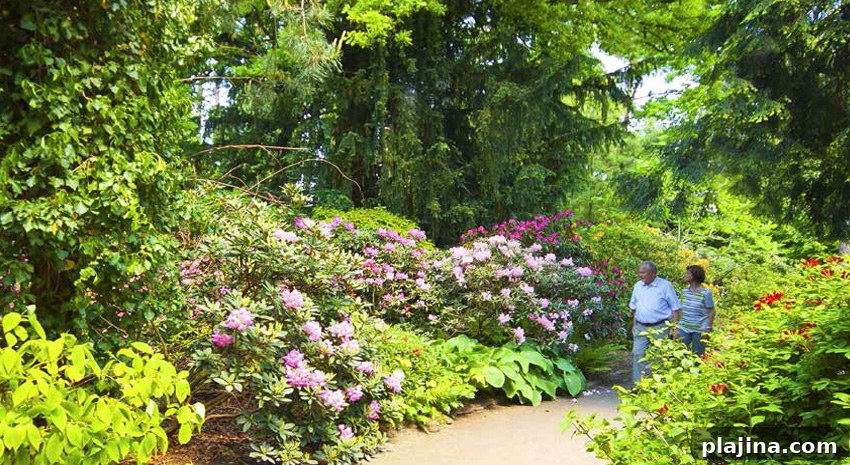
If previous visits to Munich left you thinking the city’s attractions are limited to mechanical clocks and historic beer halls, it’s time to reconsider. The central Maxvorstadt neighborhood—home to two major universities—is lively, walkable and full of eclectic museums, contemporary hotels and a growing culinary scene.
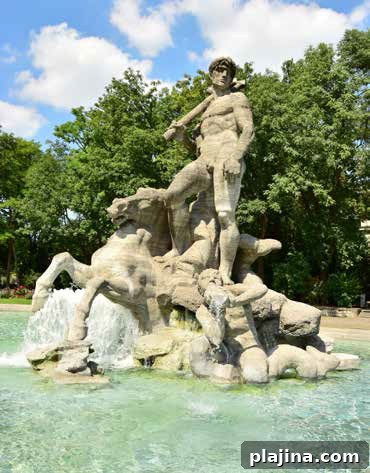
Fountain of Neptune © PHOTO20AST | DREAMSTIME.COM
Maxvorstadt lies beside the English Garden, a green expanse even larger than New York’s Central Park, and offers an appealing mix of academic life, cultural institutions and green space. The district’s compact museum quarter and university presence attract both locals and visitors, creating a friendly, youthful atmosphere. Notable landmarks include the Neptunbrunnen (Fountain of Neptune) in the Old Botanical Garden, the imposing obelisk at Karolinenplatz and the Scholl Memorial, which honors Hans and Sophie Scholl of the White Rose resistance group.
Art lovers will find several must-see museums clustered here. The Alte Pinakothek displays European masterworks and the world’s largest assembled collection of Rubens paintings, while the recently updated Neue Pinakothek focuses on 19th-century paintings and sculpture. For modern and contemporary art, the Pinakothek der Moderne and Museum Brandhorst showcase cutting-edge works spanning design, architecture and visual arts.
Those interested in classical sculpture should not miss the Glyptothek. Restored after heavy wartime damage, it now houses Germany’s most comprehensive collection of Greek and Roman sculpture. Many pieces come from excavations on the Greek island of Aegina at the Temple of Aphaia. Highlights include the Barberini Faun, dated around 220 B.C. and found in Rome in 1624, and the Kouros of Tenea, a rare Greek statue notable for its unusually broad smile.
After a day of museums and walking, stop for a drink or a meal at neighborhood favorites such as James T. Hunt on Schellingstrasse, Theresa Restaurant and Bar on Theresienstrasse or Katopazzo on Amalienstrasse. For a relaxed brunch or a full dinner, Cantine Cantona offers inventive, locally inspired dishes that reflect the area’s vibrant food scene.
Exploring Maxvorstadt on foot is the best way to appreciate its architecture, monuments and lively cafés, but the neighborhood is well served by public transit as well. Several U-Bahn stations and Tram 27 provide quick connections to other parts of Munich, making it easy to combine museum visits with strolls through parks and stops at welcoming local eateries.