
In Germany, traditional crafts such as stoneware and porcelain beer steins, tin figures, Schwibbögen (ornamental candle arches), and cuckoo clocks reflect a long heritage of craftsmanship, brewing and social customs—especially around the Christmas season.
Many of these crafts trace back to the Erzgebirge region, where hand-carved nutcrackers, Christmas pyramids, wooden toys and incense smokers speak to generations of skill and cultural continuity.
© Staatliche Porzellan-Manufaktur Meissen GmbH/MEISSEN
The Saxon Schwibbogen, also called the Erzgebirge Schwibbogen, originated in the Erzgebirge in the 18th century. The earliest recorded Schwibbogen dates to 1740 in Johanngeorgenstadt, created during a period when mining defined the region’s economy and everyday life. Initially crafted from metal, the arch symbolized a protective sky watching over miners at work. Over time the Schwibbogen evolved into a cherished Christmas decoration found throughout Germany and beyond. Modern versions come in many designs and sizes, often incorporating electric lighting and musical elements while retaining the warmth and symbolism of the original forms.
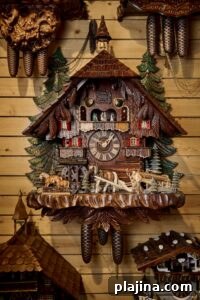
The Black Forest cuckoo clock is a globally recognized German invention with roots in the 17th century. These clocks, often richly carved with regional motifs, showcase the Black Forest’s woodworking tradition and mechanical ingenuity. Available in both mechanical and battery-operated versions, cuckoo clocks remain popular souvenirs and cultural icons. Workshops and museums in the region continue to demonstrate carving and clockmaking techniques to visitors interested in the craft’s history and production.
© GNTB / Jens Wegener
German beer steins carry a history stretching back to the Middle Ages. From simple wooden drinking vessels they developed into ornate stoneware and porcelain steins, notably produced in the Westerwald region from the 15th century onward. The introduction of pewter lids in the 16th century helped keep beer fresh and protected it from contaminants. Today beer steins function as both practical vessels and cultural symbols—frequently decorated with reliefs and engravings that portray scenes of daily life, hunting, festivals and historical events.
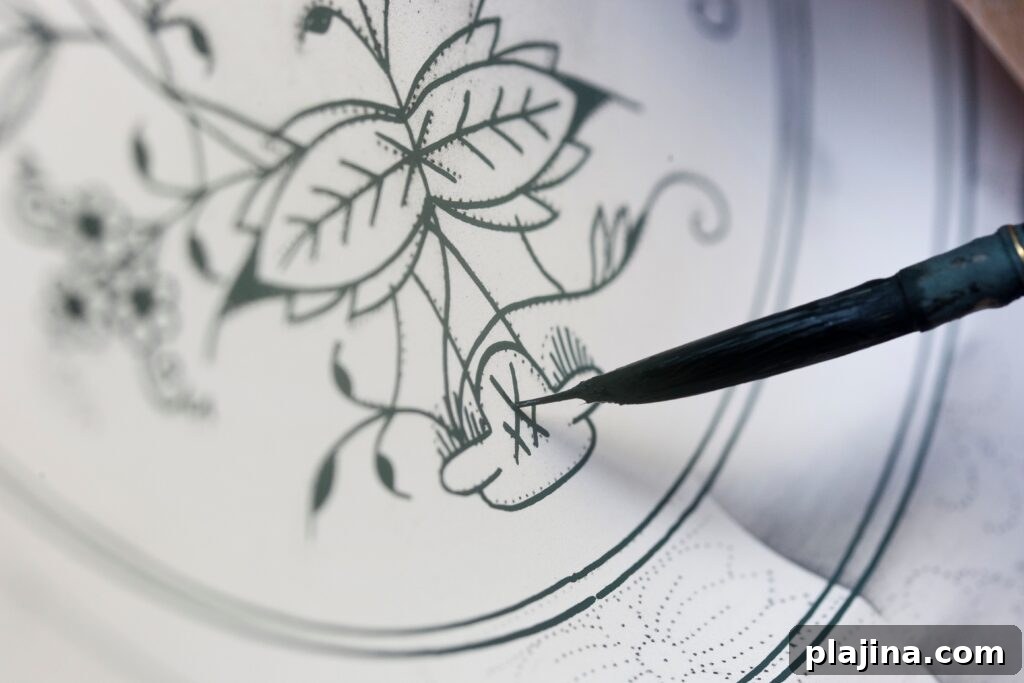
Meissen porcelain, produced since 1710 near Dresden and Leipzig, was the first European hard-paste porcelain and set enduring standards for craftsmanship and design. The Meissen manufactory pioneered techniques and artistic motifs that remain sought after today; the crossed blue swords mark is a long-established guarantee of authenticity and quality. Meissen pieces are collected and displayed in palaces, museums and private collections, representing precision, elegance and high artistic value.
Nuremberg’s tin figures, with origins dating to the 13th century, are celebrated for their detailed modelling and variety. Initially created as toys, these figures later became prized collectibles depicting historical, military and everyday scenes. Intricate painting and fine casting characterize many pieces. The tradition of tin casting in Nuremberg continues, blending historic methods with modern techniques. Regional museums highlight the development of toy-making and tin figure production, offering insight into a craft that helped shape local cultural life.