
While Brazil’s annual Carnival traditionally culminates on the Friday afternoon before Ash Wednesday, celebrations vary by city: some stage a single-day party, while others extend festivities across weeks. What began as a regional holiday has grown into a global phenomenon, drawing millions of visitors and major sponsors to a nonstop celebration. With vibrant costumes, dramatic feathered headdresses, infectious music and constant dancing, Carnival in Brazil is a bucket-list experience for travelers.
© LEANNEVORRIAS | DREAMSTIME.COM
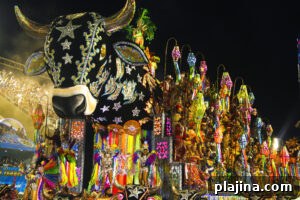
The Rio Carnival is the most internationally recognized of Brazil’s celebrations, running from Friday through Fat Tuesday. The centerpiece of the event is the Sambódromo, where the country’s top samba schools compete along Marquês de Sapucaí Avenue. The parade route stretches more than 2,300 feet and the stadium-style stands can hold up to 90,000 spectators. Crowds cheer and dance through each school’s performance while a panel of judges evaluates costumes, musical choices and the authenticity of the samba — ultimately naming the champions each year.
But beyond the official competitions, the true heart of Carnival spills onto the streets. Under Rio’s bright sun, thousands gather to sing, dance and admire flamboyant costumes. Add flowing drinks and the constant drumbeat and the atmosphere becomes an unending party. The sensory overload — glittering attire, driving rhythms and tempting street food — makes Carnival unforgettable.
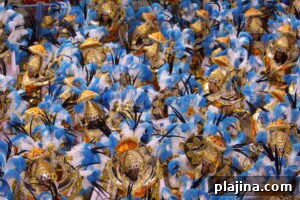
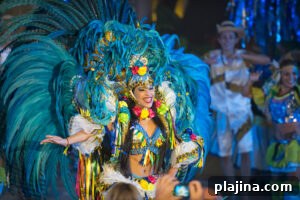
Rio’s production values are extravagant: aerial acrobats, highly detailed costumes and inventive stagecraft combine with modern technology to create spectacular displays. Amid the ocean of dancers and revelers, broad smiles and contagious energy define the experience as everyone succumbs to the city’s relentless rhythm.
© KING HO YIM | DREAMSTIME
Outside the formal parades on Marquês de Sapucaí, Rio’s neighborhoods fill with decorated streets and spontaneous block parties known as blocos. Each bloco organizes its own band, writes original songs and choreographs unique routines. Some of the most popular blocos are organized by groups like Simpatia é Quase Amor, offering a variety of musical styles and atmospheres.
At these inclusive street parties, everyone shares the same space and energy. Rather than buy a ticket for a reserved seat inside the Sambódromo, you can dive into samba surrounded by hundreds or thousands of fellow revelers. Whether wearing an elaborate homemade costume or simple street clothes, participants mingle, drink cachaça and beer, and dance until they’re swept up in the celebration. Popular blocos that attract large crowds include Cordão do Bola Preta; Bloco Volta, Alice; Bloco do Sargento Pimenta; AfroReggae; and the massive Monobloco.
© PHOTOSVIT
| DREAMSTIME
For a more refined take on Carnival, the traditional masked balls, or bailes, offer an elegant complement to the street revelry. These formal events celebrate the history and glamour of Carnival with elaborate costumes, evening wear and curated entertainment. Highlights include the Magic Ball at the Copacabana Palace Hotel and stylish soirées at the Museum of Modern Art, where guests often dress in tuxedos, gowns or ornate masquerade attire.
INFO TO GO
Most international flights arrive at Galeão–Antônio Carlos Jobim International Airport, approximately 12 miles from downtown Rio de Janeiro. Taxis are available in the arrival halls, and public transit options include the TransCarioca BRT line connecting terminals and access to the metro at Vincente de Carvalho station on Line 2. Buses are a major part of Rio’s transport network, but routes may change during Carnival due to parades and street parties. The most convenient ways to move around the city during Carnival are walking or using the metro system, which has three lines and 41 stations serving many central and popular areas.