
The European Union announced on Thursday that it is proposing new regulations designed to guarantee fair competition among all carriers operating in Europe.
Under the draft proposal, any EU member state, airline or industry association would be able to submit a complaint to the European Commission alleging discriminatory practices or unlawful state subsidies. If the Commission finds evidence that such practices have caused harm to one or more EU carriers, it would open a formal investigation. The proposal must still be approved by the European Parliament and by member states before becoming law.
“We want to ensure that Europe remains a leader in international aviation, well connected to fast‑growing markets, with efficient European skies,” said Violeta Bulc, EU Commissioner for Transport.
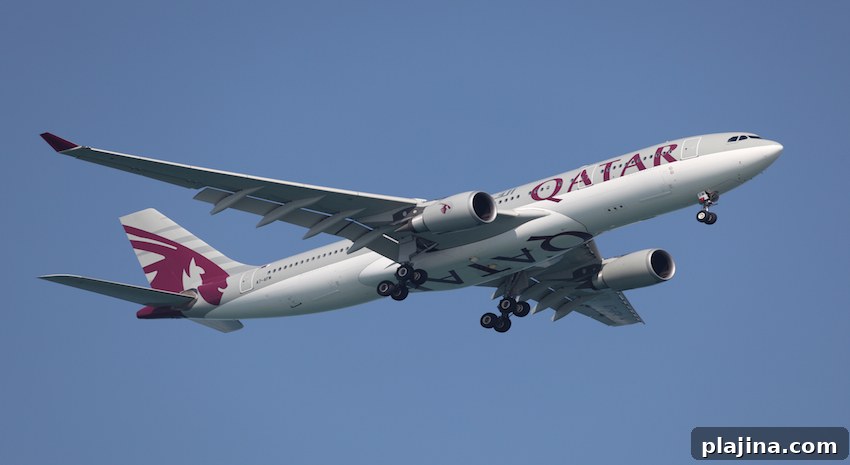
The move follows complaints from European airlines such as Air France and Lufthansa, which have accused Gulf carriers of benefiting from illegal government support. Airlines from the United States have filed similar complaints. Gulf carriers—including Emirates, Qatar Airways and Etihad—have denied these allegations.
According to the proposal, if the European Commission concludes that a foreign government or airline is causing injury or posing a threat of injury to European carriers, it could impose financial penalties or suspend certain ground and other services. The Commission aims to apply measures that address unfair competition while avoiding unnecessary interference with existing bilateral air‑service agreements.
The new rules are intended to create clearer enforcement mechanisms and a transparent process for resolving disputes, helping to preserve a level playing field in air transport. By enabling formal complaints and targeted investigations, the EU seeks to deter harmful practices and protect the economic interests of European airlines without undermining international aviation cooperation.
If adopted, the regulations would establish criteria for when investigations should be opened, how evidence is assessed and what remedies are appropriate. They would also set out procedural safeguards for carriers and states under scrutiny, ensuring that decisions are based on demonstrated injury or the clear risk of injury rather than on unproven claims.
Supporters of the proposal argue that consistent rules will help defend jobs, routes and investment tied to Europe’s aviation industry. Critics caution that enforcement actions must be carefully calibrated to avoid escalating tensions with non‑EU partners or disrupting existing air service arrangements negotiated through bilateral treaties.
The proposal now moves into the EU’s legislative process, where it will be debated and potentially amended by the European Parliament and member states before any final adoption. Stakeholders across the aviation sector are likely to follow the discussions closely, given the potential implications for market access, competition and international airline relationships.