
APPROACHING HONG KONG from the air, it can be hard to grasp that this energetic metropolis is often called the world’s most vertical city. The contrast of Tai Mo Shan and Lantau Peak as a hazy backdrop, Victoria Harbour spreading between Hong Kong Island and Kowloon, and skyscrapers that appear stacked together all reflect the city’s character. Here East meets West, tradition coexists with contemporary design, and both Chinese and British histories shape a distinctive Hong Kong identity.
Once sustained by farming and fishing, Hong Kong evolved into a financial powerhouse with a busy commercial port. In 1997, after 156 years of British rule, the city returned to Chinese sovereignty under a “one country, two systems” arrangement guaranteeing autonomy for 50 years. Today Hong Kong is one of the most densely populated regions in the world; around 92 percent of residents are of Han Chinese descent. Cantonese is the dominant language, spoken by most people, and English remains widely used across business and tourism.
Getting to Hong Kong is easier than ever. Long-haul carriers now fly nonstop from more cities, and Hong Kong International Airport offers seamless onward connections. Once in the city, travelers quickly adapt to its efficient public transport system by using an Octopus card, a contactless refillable card valid on trains, trams, buses and many retail outlets. For added convenience, some services in the city let you check in baggage and flights in advance so you can travel light on the way back to the airport.
Hong Kong’s 18 districts each have a distinct personality. SoHo (south of Hollywood Road) is known for the Mid-Levels Escalators, an 18-escalator system with travelators and footbridges that forms a quirky attraction and a practical route to shops, restaurants and homes—a daily convenience for many residents. Wan Chai blends offices, lively bars and a growing arts scene.
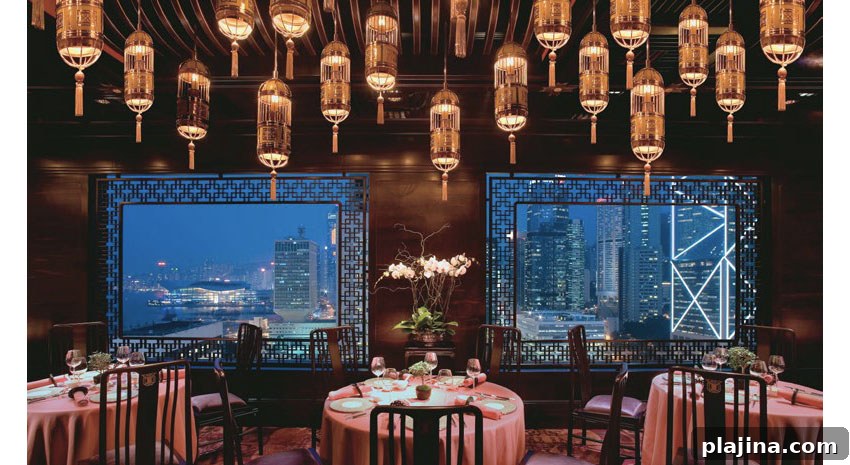
Central is Hong Kong’s commercial and administrative heart, where luxury hotels, top restaurants and designer shopping cluster together. The Mandarin Oriental stands as an example of refined hospitality and attentive service. Business travelers can reserve a private room at the Mandarin Grill + Bar for meetings with views over Statue Square Garden. For distinguished dining, Pierre offers contemporary French cuisine with two Michelin stars, while Man Wah delivers classic Cantonese fare with one Michelin star—both ideal for business lunches thanks to panoramic harbor views. M Bar provides an elegant setting for cocktails and modern tea blends featuring local ingredients.
Food culture in Hong Kong follows long-standing rhythms: many residents observe five daily meals—breakfast, lunch, afternoon tea, dinner and a late-night supper known as siu yeh. Dining etiquette remains important. Arrive a few minutes early for invitations and seat guests to your right when hosting. Avoid using personal cutlery to share dishes; keep chopsticks on their rest when not in use; pour tea for guests first; and acknowledge someone pouring tea for you by tapping your index and middle fingers on the table—a traditional sign of thanks. The number four is traditionally avoided at formal meals due to its sound association with an unlucky word, and business cards should be exchanged respectfully, presented and received flat with both hands.
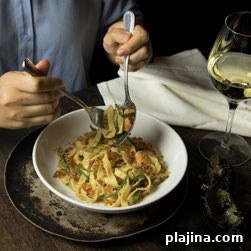
121BC pasta dish © 121BC
Since duty on wine was abolished in 2008, Hong Kong’s wine scene has expanded rapidly. Central now hosts numerous wine bars that are popular after work. Natural and minimal-intervention wines are championed by places like La Cabane Bistro and Cellar, while 121BC highlights Italian regions and seasonally evolving dishes such as sea urchin spaghetti with samphire and salmon roe. For serious collectors and enthusiasts, wine venues offer extensive selections by the glass and bottle, often featuring high-scoring labels and curated tasting experiences.
For inventive cocktails in a stylish environment, bars like The Woods offer a creative approach to classic drinks. Expect experimental takes on staples—infused spirits, savory accents and inventive flavor pairings—that provide a memorable setting for client meetings or evening gatherings. Some bars reserve a few seats at an experimental counter, while additional seating is available on a first-come, first-served basis.
The city’s Southside offers a relaxed contrast to Central despite being only a short MTR ride away. Boutique hotels such as Ovolo Southside combine retro playlists, flexible workspaces and communal areas suited to informal meetings. Rooftop lounges and beachside bars around Repulse Bay serve casual fare and craft beers, creating an inviting atmosphere for downtime on sunny days.
For variety in dining, neighborhoods like Sheung Wan bring international flavors to casual settings. Restaurants such as Te Quiero Mucho serve tacos, tostadas and tequila-based drinks in a lively, unfussy environment that’s ideal for unwinding after a day of meetings.
No visit to Hong Kong is complete without crossing Victoria Harbour. While Central is the city’s business hub, Kowloon offers some of the most spectacular skyline views. A short Star Ferry trip provides a classic harbor crossing and a pleasant walk along the waterfront leads to hotels with remarkable panoramas. Several waterfront properties capitalize on those vistas, and many harborfront restaurants and bars integrate local ingredients, cultural stories and a sense of place into their menus and décor. Take a seat, order a drink, and watch Hong Kong’s skyline come alive—this juxtaposition of city energy, history and natural scenery captures the essence of Hong Kong.