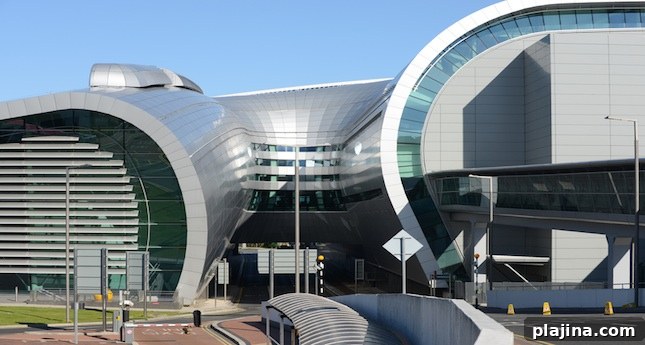
Dublin Airport is moving forward with major runway improvements as it positions itself to handle increased long-haul traffic. A previously proposed €320 million expansion — first introduced years ago and formally tabled in 2007 during Ireland’s economic downturn — is now being reconsidered in response to growing interest from long-haul carriers. The project plans a new 3.1-kilometer runway, with work expected to begin next year and completion aimed for 2020.
Interest from airlines seeking alternatives to UK and continental hubs has pushed airport officials to revisit the plan. With the United Kingdom’s departure from the European Union, some carriers are reassessing their access to airports such as London Heathrow, creating opportunities for nearby European airports. Dublin stands out as a cost-competitive option and a convenient gateway for trans-Atlantic services.
Passenger numbers at Dublin Airport have risen rapidly in recent years, marking it as one of Europe’s fastest-growing airports. The airport handled 25 million passengers in 2015, a 15 percent increase over the previous year, and figures were forecast to climb further. To accommodate rising demand, Dublin Airport has already implemented operational upgrades, including expanded self check-in kiosks and other measures designed to speed passenger processing and improve the traveler experience.
Adding a longer runway would allow Dublin to attract more long-haul flights and larger aircraft, supporting its ambitions to become a significant trans-Atlantic hub. The planned 3.1-kilometer runway would increase capacity and flexibility for night and morning departures, accommodate heavier aircraft, and reduce operational constraints that currently limit some long-haul scheduling options.
Airport planners emphasize the economic benefits of improved connectivity. Enhanced trans-Atlantic links can boost tourism, facilitate business ties, and create jobs across aviation and related sectors. For passengers, more direct long-haul services mean fewer connections, shorter overall travel times, and greater choice when flying to North America.
While the expansion requires substantial investment and careful regulatory and environmental review, the timing aligns with shifting market dynamics. Airlines examining alternatives to traditional UK hubs may find Dublin’s geographic position and growing infrastructure attractive. If approved and delivered on schedule, the runway project would support the airport’s continued growth and help secure its role as a major European gateway.