
The Dominican Republic is not defined solely by soft white-sand beaches or sunlight glinting off calm waves. What immediately captures a visitor is the music woven into daily life, the cadence of Spanish accents, and the lively energy that fills city streets. This island’s rhythm is distinct from typical tourist-driven destinations, rooted in a rich history as Europe’s first foothold in the colonization of the Americas. From the bustling, modern avenues of Santo Domingo to iconic coastal stretches, the Dominican Republic delivers a memorable alternative to the usual tropical getaway.
From many vantage points in Santo Domingo, the skyline and boulevard life may evoke comparisons to Miami or parts of Los Angeles. Over the past decade the capital has experienced rapid growth, adding contemporary construction, upscale shopping and luxury hotels. The seafront promenade El Malecón — officially George Washington Boulevard — has become a focal point for recreation and evening life. Residents and visitors alike stroll, bike, skate and fly kites along the seaside. As night falls, the boardwalk comes alive with restaurants, live music and a lively crowd. Prominently visible is El Obelisco, a monument erected during the Trujillo era that now stands as a reminder and tribute to those who suffered under that regime. The area’s hotels, casinos and entertainment venues make El Malecón a central meeting place for both commerce and leisure.
One striking addition to Santo Domingo’s contemporary skyline is the JW Marriott Hotel Santo Domingo. The property features a rooftop infinity pool and the Vertygo Lounge, a dramatic glass skywalk bar extending above Winston Churchill Avenue. The hotel’s location directly connects guests to BlueMall, a high-end shopping complex with upscale dining and boutiques. BlueMall’s presence—alongside the emerging World Trade Center complex—reflects growing economic development and a rising appetite for luxury retail and services in the city.
© GIUSEPPE CRIMENI | DREAMSTIME.COM
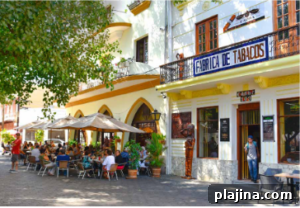
Crossing suspension bridges over the Ozama River brings you to the Zona Colonial, a UNESCO World Heritage site that showcases Santo Domingo’s historical significance. The Zona Colonial preserves mid-16th-century architecture, some of the earliest and most beautiful structures in the Americas. Many of these historic buildings are now museums, including the Alcázar de Colón, a palace built in 1512 that once housed Diego Colón, son of Christopher Columbus. Nearby lie the ruins of the San Nicolás de Bari Hospital, considered the oldest hospital on the continent. Plaza de España, at the end of Calle Las Damas, offers a picturesque space for outdoor concerts, family outings, and romantic dinners on terrace cafés overlooking the ancient cityscape.
© GIUSEPPE CRIMENI | DREAMSTIME .COM
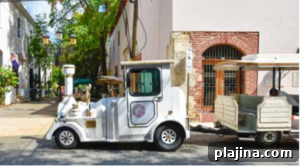
For a relaxed tour of Zona Colonial, hop on the Chu Chu Colonial train, a convenient way to see monuments and plazas while avoiding the heat or a sudden shower. Cafés, music-filled parks and ice cream stands add a lively, modern layer to the area’s historical atmosphere. Arriving in the late afternoon is ideal: enjoy an ice-cold Presidente beer while café lights come on and the sunset colors the city.
My trip combined tourism with a personal homecoming. It was my first return since emigrating to the United States a decade ago and my partner’s first time visiting my homeland. While I grew up in the capital, my family originates from San Juan de la Maguana, a province west of Santo Domingo with a very different pace of life. Driving through mountain ranges and drier valleys, the region contrasts sharply with metropolitan Santo Domingo. San Juan’s towns reflect agricultural traditions and close-knit communities. Notable sites include the San Juan Bautista Cathedral and the Corral de los Indios, both of which make for rewarding day trips.
San Juan’s economy centers on livestock and farming rather than coastline activity. We took a scenic drive north to Presa de Sabaneta, one of the province’s hydroelectric dams on the Rio San Juan. The dams supply energy across the nation and offer expansive views that draw visitors. The fertile valley alongside the river supports rice paddies tilled by oxen, as well as broad fields of plátano and guineo. Wildlife sightings are common; during our outing we encountered a vivid blue juvenile tarantula, a reminder of the island’s surprising biodiversity.
Travel within the Dominican Republic can be straightforward in terms of infrastructure—the country has one of the most developed highway systems in the Caribbean—but driving norms may be unfamiliar to visitors. Traffic rules are sometimes treated as guidelines, so drivers unaccustomed to chaotic urban traffic should consider hiring a local driver or joining escorted tours. We rented a car for the drive to Bayahibe in La Romana, and suggest checking all rental paperwork carefully to avoid fines or misunderstandings with local authorities.
With limited time before family commitments, we spent one night at the Catalonia Royal La Romana in Bayahibe. Tucked among a long stretch of resorts, the Catalonia Royal stood out for its well-maintained beachfront, friendly staff, and picturesque grounds. The resort’s all-inclusive dining offers a range of international flavors, and rooms combine modern comfort with a touch of European style, many with balconies or swim-up access. Cabanas and beach loungers line the sand while activities like scuba diving, banana boating and sailing keep adventurous guests entertained.
INFO TO GO
The Dominican Republic is served by eight international airports, with Punta Cana International Airport handling the most traffic and Santo Domingo’s Las Américas International Airport not far behind. Major carriers operate daily non-stop flights to the country, providing many options for travelers. Spanish is the official language, but English is commonly spoken in tourist areas, airports, shopping centers and resorts. Credit cards are widely accepted in urban and resort areas, and while U.S. dollars and euros may be welcomed in some destinations, exchanging to Dominican pesos is generally advisable outside major tourist zones.
LODGING
Catalonia Royal La Romana
An adults-only resort known for relaxed luxury, attractive grounds and chic suites—ideal for romantic getaways or friends traveling together.
Carretera a Bayahibe, Bayahibe, La Romana
$$$
InterContinental Real Santo Domingo, an IHG Hotel
A city hotel focused on dining and entertainment, offering amenities for families, business travelers and tourists in the heart of Santo Domingo.
Winston Churchill Avenue, Santo Domingo
$$$
JW Marriott Santo Domingo
A metropolitan property with a rooftop infinity pool and luxury shopping nearby, well suited for both business and leisure stays thanks to its central location.
Winston Churchill Ave. 93, Santo Domingo
$$$
DINING
SBG Santo Domingo
A cosmopolitan restaurant in the city center with an elegant, varied menu—perfect for celebrations, dinners with friends or special occasions.
BlueMall, Calle Paseo de Los Locutores 9, Santo Domingo
$$$
Shibuya Ichiban
A modern Japanese restaurant with Peruvian-inspired accents, offering creative sushi and small plates—an excellent stop while shopping at BlueMall.
BlueMall, Winston Churchill Ave. 80, Santo Domingo
$$$$
Winston’s Grill
Led by Chef Carlos Sebastiani, this restaurant highlights international cuisine and local produce, complemented by a robust wine list and attentive service.
JW Marriott Santo Domingo, Winston Churchill Ave. 93, Santo Domingo
$$$$