
WITH UNPRECEDENTED GROWTH and a surge of new wealth driven largely by abundant oil and natural gas, Qatar stands at a cultural crossroads. Rapid modernization is reshaping daily life while the nation works to preserve its traditional values as it becomes increasingly globalized.
In Doha, the capital that hosts nearly a third of Qatar’s population, infrastructure is advancing quickly. Doha’s first metro system was scheduled for completion in 2020, and numerous new hotels and resorts have transformed the skyline. The city has modernized rapidly—in recent years it even introduced street addresses—yet it is not merely catching up. Doha is planning for the future.
One notable example is Msheireb Downtown Doha, the world’s first sustainable downtown regeneration project. With a $5.5 billion budget, Msheireb revitalizes the old commercial district according to rigorous green building standards. The development includes more than 100 buildings for living, working, shopping, learning, worship and leisure. Construction began in 2010 and the neighborhood has been built to operate as a modern, sustainable center for citizens and visitors alike.
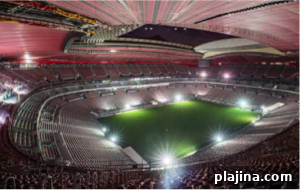
Al Bayt Stadium
PHOTO: © QATAR NATIONAL TOURISM COUNCIL
Another major driver of development has been the FIFA World Cup. In 2022 Qatar hosted the world’s most watched live event, prompting the construction of new stadiums and venues in Doha and beyond. For the first World Cup staged in the Arab world, Qatar aimed to welcome millions of attendees and billions of viewers with extensive infrastructure and hospitality investments.
Tourism is central to Doha’s strategy to diversify its economy beyond hydrocarbons. Many recent projects were accelerated for the World Cup, but Doha’s planning emphasizes lasting benefits rather than temporary fixes. Investments in hotels, cultural institutions and transport networks are designed to support growing tourism for years to come as Qatar becomes ever more visible to international travelers.
The country has already seen steady increases in international arrivals: each of the past five years experienced growth over the previous year, and most international visitors transit through Doha, home to Qatar’s main international airport. Domestic tourism also plays a role. Doha residents increasingly take advantage of luxury hotels, fine dining and nearby cultural attractions such as the Museum of Islamic Art and the National Museum of Qatar, which opened in March 2019.
Doha’s population is majority expatriate, with large communities from South and Southeast Asia, the Levant, North Africa and East Asia, plus smaller groups from Europe, North America and Australia. As a result, international cuisine flourishes across the city. Until recently, foreigners were restricted from land ownership in Qatar, but this has changed in select zones.
Foreign nationals can now purchase property in only three designated areas nationwide—two within Doha and one about 30 miles north of the city. The Pearl is the most well-known example. This multibillion-dollar artificial island spans roughly 2.5 miles and features luxury residences, high-end retail, exotic car showrooms, landscaped areas and cultural venues, making it a popular destination for visitors seeking an upscale lifestyle.
Geography is another asset. Qatar is a peninsula bordered by the Persian Gulf, and Doha leverages its coastal location for both industry and leisure. Maritime services such as ship repair contribute to the economy, while water-based recreation attracts tourists. Popular activities include paddle boarding and kayaking near The Pearl, exploring the Al Thakira mangroves and taking traditional dhow cruises along the harbor.
As Doha opens to international influences, it is careful to uphold its conservative Islamic heritage. Preserving cultural identity is a key element of Qatar National Vision 2030, launched in 2008, which aims to build an advanced society capable of sustaining development and providing a high quality of life. Balancing modernization with cultural preservation remains a guiding priority as the country welcomes more global attention.
CHECKING IN WITH WALTER DEMIRCI
USA Country Manager, Qatar National Tourism Council
What current trends in Doha are attracting the attention of international travelers, and what’s on the horizon for the city?
In March 2019 the National Museum of Qatar, designed by Pritzker Prize–winning architect Jean Nouvel, opened and reinforced Doha’s focus on art and history. Cultural attractions, coupled with a growing sports calendar—including the FIFA World Cup 2022—have driven global interest. Sports, cultural tourism and adventure travel are all rising trends. Qatar’s authenticity and distinctive experiences attract visitors looking for lesser-known destinations and unique activities.
What message is Doha hoping to send to grab the attention of the world’s travelers?
Doha emphasizes culture, authenticity, hospitality and diverse offerings. The city provides heritage-rich experiences and accessible luxury, from desert safaris and water sports to world-class museums and year-round events. Doha seeks to expand its festival calendar and events to welcome a broader range of visitors.
How convenient is it for international travelers to enter Qatar for a visit to Doha?
Qatar has one of the region’s most open visa policies: citizens of more than 80 countries can obtain visa-free entry on arrival with a passport valid for at least six months and proof of onward travel. The United States, Canada and the United Kingdom are among these countries.
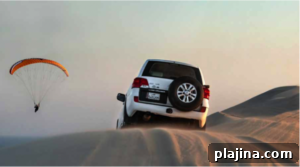
Dune bashing
PHOTO: © QATAR NATIONAL TOURISM COUNCIL
DIVERSIONS
Doha’s evolving cultural scene offers plenty to explore. Souq Waqif remains a must-see, with vibrant stalls selling spices, textiles and local crafts alongside numerous restaurants and shisha lounges. The National Museum of Qatar presents immersive galleries that trace the nation’s history. For outdoor adventure, visitors can enjoy dune-bashing desert safaris and visit Khor Al Adaid, the Inland Sea, approximately 40 miles from the capital.
COMING AND GOING
U.S. citizens may visit visa-free but must have a passport valid for six months with two blank pages, plus proof of an onward ticket.
OFFICIAL LANGUAGE
Arabic
JUST THE FACTS
Time zone: GMT +3
Phone code: Country code: 974
Currency: Qatari riyal
Key industries: Natural gas, crude oil, steel, financial services, commercial ship repair
LODGING
MANDARIN ORIENTAL, DOHA
One of Doha’s newest five-star properties, Mandarin Oriental, Doha is surrounded by upscale shops and is within walking distance of major museums and attractions.
Barahat Msheireb Street $$$$$
THE ST. REGIS DOHA
Located on the Persian Gulf, The St. Regis Doha offers sea views, Arabian-inspired rooms and 24-hour butler service for a luxurious stay.
Doha West Bay $$$$
SHARQ VILLAGE & SPA
This Ritz-Carlton resort is popular for both secluded staycations and international visitors, with a private beach and proximity to top sites.
Ras Abu Abboud Street $$$$
DINING
MORIMOTO DOHA
The first Middle East restaurant from Iron Chef Morimoto features an opulent interior and a menu that blends Japanese culinary craftsmanship with local influences.
Mondrian Doha, West Bay Lagoon
$$$$$
SPICE MARKET
Located inside W Doha, Spice Market serves Southeast Asian cuisine in a stylish, candlelit setting overlooking the Persian Gulf.
W Doha Hotel & Residences, West Bay, Zone 61
$$$$
TORO TORO
Offering a pan-Latin tapas experience from chef Richard Sandoval, Toro Toro presents a variety of small plates in a lively atmosphere.
Marsa Malaz Kempinski, The Pearl, Costa Malaz Bay
$$$$
INFO TO GO
All international flights arrive at Hamad International Airport, located just south of the city and typically a 20-minute drive to downtown. Taxis are widely available but often accept only cash; ATMs are located near the taxi pavilion. Affordable buses run throughout the city and require a Karwa Smartcard, which can be purchased at the airport or from bus drivers.