
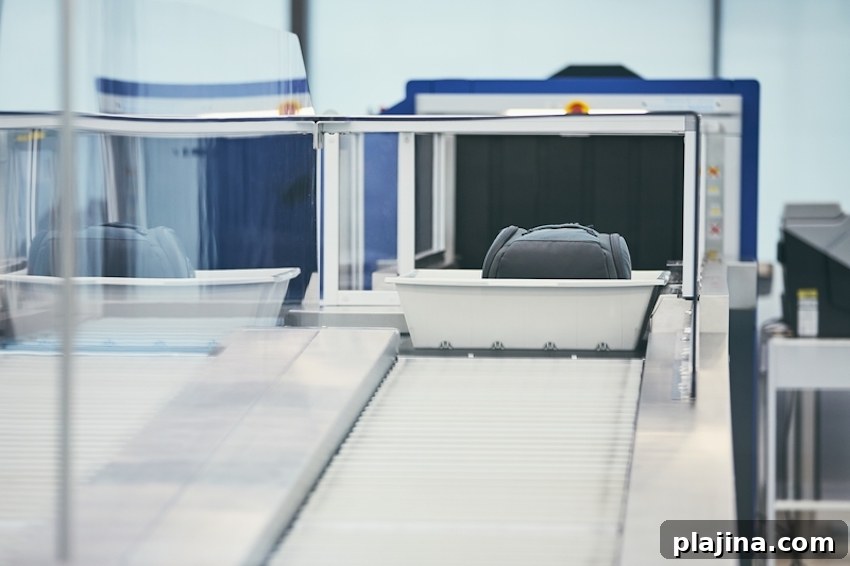
A new study finds that airport security trays harbor surprisingly high levels of germs—often exceeding those found on surfaces in public restrooms.
Researchers from the University of Nottingham (U.K.) and the Finnish National Institute for Health and Welfare published their findings in the journal BMC Infectious Diseases. The team tested surfaces at Helsinki-Vantaa International Airport and detected live viruses, including rhinovirus and influenza, on about 10% of sampled sites. Contaminated locations included payment terminals, staircase railings, passport-checking counters and children’s play areas.
Security trays emerged as a particularly contaminated surface, largely because virtually every traveler handles them during screening. Because these trays are repeatedly touched by many people in quick succession, they can serve as efficient conduits for pathogens.
To reduce the risk of transmission, the study recommends basic hygiene measures for travelers, such as thorough handwashing and covering coughs or sneezes with a handkerchief, tissue or sleeve—especially in busy public spaces like airports.
The researchers also advise that airports provide convenient hand‑sanitizing stations in high-contact zones, specifically before and after security screening, to allow passengers to disinfect their hands after handling shared items like trays and touchpoints such as payment terminals and railings.
Practical steps travelers can take include carrying and using alcohol-based hand sanitizer after touching communal surfaces, avoiding touching the face, and, when feasible, wearing disposable gloves while handling bins and trays. For families, extra attention to children’s play areas—wiping surfaces or using sanitizer after playground use—can help limit exposure.
Airport operators can further reduce risk by increasing the frequency of surface cleaning in critical areas, using disinfectants proven effective against respiratory viruses, and ensuring visible, accessible hygiene stations. Clear signage encouraging hand hygiene in screening zones can also prompt passengers to sanitize more consistently.
While airports are essential hubs for travel, simple, consistent hygiene practices by both travelers and facility managers can significantly lower the chance of spreading common respiratory viruses during transit.