
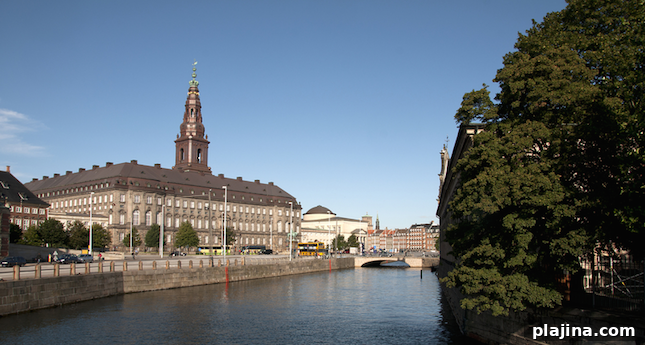
Archaeological excavations around the Castle Islet (Slotsholmen) in Copenhagen have contributed important finds to the Museum of Copenhagen’s permanent collections. These additions complement the museum’s extensive Picture Archive and the thousands of artifacts that document the city’s history. Although autumn has begun, the museum will continue offering guided tours, city walks, and a variety of events through the end of 2014.
The current exhibition, Urban Nature, explores the role of nature in urban life from multiple angles—its impact on health, well‑being, and overall quality of life. The show features two new museum gardens and creative reuse projects, such as an 1896 telephone box converted into a greenhouse. By examining Copenhagen’s past and present relationships with nature, the exhibition is part of the Sharing Copenhagen initiative tied to Copenhagen Green Capital 2014.
Exhibitions like Urban Nature illustrate how archaeological research and cultural programming work together to deepen public understanding of the city. Objects uncovered during digs around Slotsholmen provide tangible links to earlier periods of Copenhagen life, while contemporary displays and events encourage residents and visitors to reflect on how urban planning, green spaces, and everyday practices influence city living today.
The Museum of Copenhagen’s complementary programs—guided walks, lectures, and family activities—offer practical ways to engage with the themes on display. Guided city walks often trace historic routes and highlight sites where archaeological discoveries have shed light on Copenhagen’s development. Lectures and talks bring specialists into conversation with the public, clarifying how findings from excavations inform historical interpretation and urban policy.
By integrating archaeological artifacts, visual archives, and community programming, the museum creates layered experiences that appeal to a wide audience. The garden installations in Urban Nature provide hands‑on demonstrations of how small urban interventions can change public spaces, while the greenhouse in the converted telephone box serves as a striking example of adapting heritage objects for contemporary uses.
Visitors to the Museum of Copenhagen can expect a blend of scholarly insight and accessible interpretation. The museum’s presentation balances archaeological evidence with stories about everyday city life, making the past relevant for modern audiences. Seasonal events and ongoing tours extend the exhibition’s reach beyond the gallery, encouraging exploration of Copenhagen’s streets, parks, and historic districts.
Overall, the combination of archaeological discoveries from Slotsholmen and the thematic focus of Urban Nature underscores the museum’s role in documenting and communicating the evolving relationship between Copenhagen and its natural environment. Through exhibitions, programs, and public engagement, the Museum of Copenhagen highlights how history, design, and community action can contribute to healthier, more livable cities.