
On the surface, Sydney presents itself as Australia’s glamorous metropolis, celebrated for its cosmopolitan energy, scenic oceanfront walks, busy harbor and warm climate. Visitors can explore World Heritage sites, climb the iconic Sydney Harbour Bridge, watch surfers at Bondi Beach, wander the Royal Botanic Garden or browse countless outdoor markets for unique finds.
The city’s most famous vistas cluster along Sydney Harbour, especially at Circular Quay and Sydney Cove, where buskers, didgeridoo players and performers entertain the steady flow of tourists boarding ferries and harbor cruises. These waterfront precincts are lively gathering points for visitors and locals alike.
Projecting into the harbor, the Sydney Opera House is an architectural symbol that draws photographers and sightseers. While guided tours reveal the theaters and performance spaces, it is the building’s striking exterior—often likened to sails or a shattered shell—that remains its primary attraction.
At sunset, the Opera Bar fills with onlookers eager to catch the changing light over the Opera House and the Sydney Harbour Bridge. For a more adrenaline-fueled perspective, BridgeClimb offers guided ascents to the bridge’s summit, where panoramic harbor views reward those willing to brave the heights.
A path behind the Opera House leads into the Royal Botanic Garden and The Domain, green spaces that connect to Sydney’s colonial history. Originally a buffer between the governor’s residence and the early penal settlement, these gardens are now peaceful havens in the heart of the city.
Across Sydney Cove lies The Rocks, the city’s earliest English settlement. Narrow, cobbled laneways wind between sandstone buildings that house souvenir shops, artisan boutiques, refined restaurants and historic pubs such as the Lord Nelson Brewery Hotel—a place where you can still spot the tool marks left by convict stonemasons.
Sydney’s Central Business District blends heritage architecture and modern towers. The 19th-century Queen Victoria Building remains a shopping highlight with stained glass, ornate ironwork and upscale boutiques. Rising above the CBD, the Sydney Tower’s Sky Venue markets itself as one of the city’s premier vantage points and event spaces.
The city’s cultural institutions are equally impressive. Near The Rocks, the Museum of Contemporary Art showcases contemporary works by Australian and international artists and sits close to the landing site of the First Fleet of 1788. Other important cultural sites include the Hyde Park Barracks Museum, a UNESCO World Heritage site that chronicles convict life, and major institutions such as the Australian Museum and the Art Gallery of New South Wales, both of which emphasize Aboriginal art, culture and history.
Weekend markets in Glebe, Paddington and Surry Hills attract locals hunting bargains, while Newtown offers a lively, bohemian atmosphere with independent bookshops, pubs and street festivals. The bayside suburb of Manly combines a relaxed dining and bar scene around Manly Wharf with coastal attractions such as the scenic Spit Bridge-to-Manly walk.
Sydney Olympic Park, redeveloped for the 2000 Olympics, remains a major sporting and entertainment complex that includes venues like the Olympic Park Aquatic Centre and The Stables at Sydney Showground, hosting events year-round.
North of Sydney, Queensland stretches from the vibrant capital of Brisbane to the extraordinary marine life of the Great Barrier Reef. Brisbane itself is both a commercial center and a cultural hub, with Adelaide Street and surrounding blocks offering shopping, dining and historic landmarks such as Central Station, City Hall and ANZAC Square with its Shrine of Remembrance.
South Bank, across Victoria Bridge from the CBD, forms Brisbane’s Cultural Precinct. It encompasses the Queensland Performing Arts Centre, State Library of Queensland and QAGOMA—the Queensland Art Gallery and Gallery of Modern Art—whose combined collections cover historical and contemporary works across many media. The Queensland Museum South Bank complements these institutions with regional history exhibits, dinosaur displays and the interactive Sciencentre.
Brisbane also supports smaller galleries and Indigenous art outlets, including boutique spaces that promote emerging Australian artists and galleries specializing in artworks from the Central Western Desert, Kimberley and Arnhem Land regions.
Green space and river access are central to Brisbane life: the City Botanic Gardens offer tranquil ponds and themed plantings, while an extensive network of bicycle paths and CityCat ferries make the Brisbane River a practical and scenic transport route to museums, parks and riverfront dining areas.
Nearby natural attractions include D’Aguilar National Park with hiking trails and wildlife habitats, and Noosa National Park, celebrated for dramatic coastal scenery and native animals. Noosa’s Hastings Street features boutiques and restaurants that cater to visitors to the park.
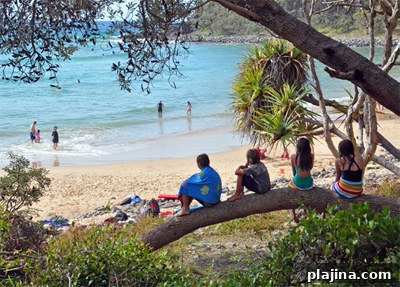
The Sunshine Coast and Gold Coast are popular coastal escapes within easy reach of Brisbane. The Gold Coast is known for its high-rise skyline and surf beaches such as Surfers Paradise, while the Sunshine Coast offers family-friendly, unspoiled beaches and surf spots including Sunshine Beach, Sunrise Beach, Marcus Beach, Peregian Beach and Coolum Beach.
Farther north, Cairns serves as the gateway to the Great Barrier Reef, with nearby Port Douglas providing convenient access to reef excursions and the ancient Daintree Rainforest. Activities range from reef snorkeling and diving to rainforest hikes, wildlife safaris and restorative spa treatments in Port Douglas.
Additional Queensland highlights include the Kuranda Scenic Railway and the remote Cape Tribulation, where rainforest meets the shoreline. From here, visitors can reach reef islands by boat or explore coastal habitats by kayak.
Info to Go
Sydney Airport is under 15 minutes by train from the city center via the Airport Link, with stations at both international and domestic terminals connecting directly to the City Circle line. A regular bus service (Route 400) also links Bondi Junction and Burwood, stopping at the airport terminals.
Most visitors to Queensland arrive at Brisbane Airport, where Airtrain provides frequent services to Brisbane City and the Gold Coast and connects the airport terminals. TransLink operates public transport across South East Queensland and offers bus services to the airport precinct, while private operators provide scheduled coach transfers to Brisbane, the Gold Coast and the Sunshine Coast.
In Cairns, Airport Connect bus services link the airport with the local TransLink network at Sheridan Street stops, providing straightforward connections to the city and onward destinations.