
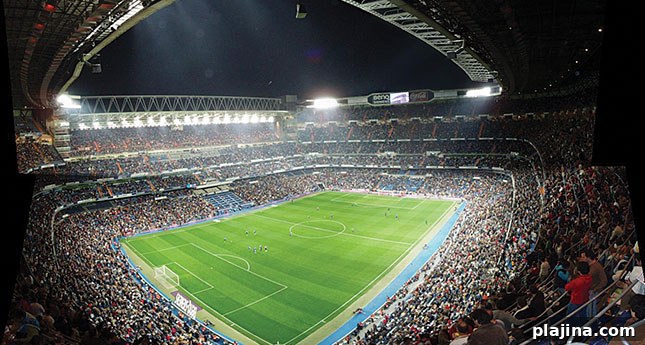
Are you a galáctico who deserves recognition and reward? If so, the Estadio Santiago Bernabéu in Madrid is your natural destination. This 80,000-seat stadium in the heart of the city is home to Real Madrid, one of the most successful football clubs in history. Over the years it has hosted some of the sport’s brightest stars — Zidane, Luis Figo, Cristiano Ronaldo, David Beckham — making it the ideal place to celebrate achievement.
Match days at the Bernabéu are electric. The whole city hums with anticipation as kick-off approaches, and the metro lines leading to the stadium fill with supporters in the team’s iconic white shirts. You can join the crowd in the stands and add your voice to the roar as the game unfolds, or enjoy the match from the refined comfort of a VIP box. Both experiences can be included in incentive travel programs to Madrid.
On non-match days, behind-the-scenes stadium tours let you walk through areas usually reserved for the players. The Real Madrid Museum, with its trophy rooms and historic memorabilia, is one of the city’s top attractions and offers an in-depth look at the club’s storied past.
Madrid’s foremost museum is the Prado, home to Spain’s greatest collection of fine art. An evening visit, once the daytime crowds have thinned, is a wonderful way to appreciate masterpieces such as Las Meninas by Diego Velázquez, frequently cited among the most important paintings in art history.
The Prado sits within Madrid’s Golden Triangle of art. Nearby, the Thyssen-Bornemisza Museum showcases an outstanding range of 20th-century works, while the Reina Sofía Museum houses Picasso’s monumental Guernica. CaixaForum, opened in 2007 in a renovated 1899 power station, has become a major contemporary exhibition space; its dramatic design by Herzog & de Meuron creates the impression of the building hovering above the street.
Visiting Spanish cities means adapting to a different daily rhythm: lunch often takes place in mid-afternoon, and many restaurants do not open for dinner until around 9 p.m. Dining in Spain is social and relaxed, frequently beginning with a circuit of tapas bars, each known for a particular specialty.
Barcelona offers a particularly lively tapas scene. With a local guide you can hop between bars sampling classic dishes before settling in for the main evening meal. The city’s nightlife is colorful and energetic, and those qualities are echoed by its architecture and daytime attractions.
Barcelona is the best place to see the work of Antoni Gaudí, whose most ambitious creation is the Sagrada Família, a church that has been under construction since 1882. The city also hosts notable museums dedicated to Picasso and Joan Miró. A fun and flexible way to travel between sights is by GoCar, a two-seater vehicle with an audio GPS tour; group tours can be arranged in advance.
The high-speed AVE train connects Barcelona and Madrid, stopping at Zaragoza along the way. Zaragoza is worth a visit in its own right, with striking contemporary buildings by architects such as Zaha Hadid, a legacy of Expo 2008. The former Expo site now serves as a water-themed public park with attractions that include an aquarium and a canal offering artificial rapids for rafting — an excellent team-building activity.
Across the Ebro River, Zaragoza’s historic center is dominated by the Basilica of Our Lady of the Pillar. One of its towers opens to visitors and, via a rickety elevator, provides panoramic views over the city. The contrast of historic and modern architecture is dramatic here and typifies much of contemporary Spain.
After the end of the Franco era in 1975, Spain experienced rapid cultural and political transformation, embracing a new era of creativity and openness. One of the most striking examples is Valencia. Once a workaday port, Valencia reinvented itself after the Turia River was diverted to prevent devastating floods. The old riverbed became a landscaped park punctuated by bold modern structures, many designed by Valencia-born architect Santiago Calatrava.
Calatrava’s sweeping designs include El Palau de les Arts Reina Sofía, Valencia’s opera house. Attending a gala performance here makes an impressive highlight for any incentive group, followed by a late dinner at one of the city’s excellent restaurants. The interior of the opera house is as breathtaking as its exterior, often prompting audible gasps from first-time visitors.
Valencia also hosts major sporting events such as the Formula 1 Grand Prix, the Motorcycle Grand Prix and the Valencia Tennis Open, providing easy frameworks for incentive travel. If you prefer cultural spectacle, plan a visit during Fallas, the dramatic March festival of fireworks, processions and burning monuments that captures Spain’s exuberant spirit.
Seville embodies much of that passionate character. Nestled in Andalusia’s sun-baked landscape, it is the birthplace of flamenco. For an authentic experience, cross the Guadalquivir River to Triana, the former gypsy quarter, where intimate bars present electrifying music and dance. The atmosphere encourages visitors to join in the celebration.
For a contrasting experience of calm and natural beauty, rise early for a hot-air balloon flight over Doñana National Park southwest of Seville. From the sky you’ll see one of Europe’s most important wetlands spread out below — a tranquil counterpoint to the country’s vibrant urban life.
Spain offers vast landscapes, varied coastlines, snow-capped mountains, sun-drenched plains, historic cities, rich culture and warm hospitality. Few destinations reward the traveler as richly as Spain.
For information about incentive travel to Spain, consult official tourism resources for current details and offerings.