
MUMBAI
Mumbai, India’s largest city and commercial capital, is a dynamic blend of business, culture and cinema. Home to over 20 million people, it evolved from a coastal trading post into a bustling metropolis packed with corporate offices, historic districts and vibrant street life. Beyond its economic importance, Mumbai offers striking architecture, a thriving film industry, lively markets, and a rich culinary scene centered on spices, street food and fresh seafood.
GETTING THERE
Chhatrapati Shivaji International Airport (BOM), one of India’s busiest airports, serves as the main entry point to Mumbai and lies roughly 17 miles from the city center. To avoid common taxi scams, use the airport’s prepaid taxi counters; after payment you receive a printed receipt with driver and vehicle details. This system offers a straightforward and safer option than hailing metered taxis at the terminals.
GETTING AROUND
Mumbai’s public transport network is extensive and varied. The city bus service, BEST (Brihanmumbai Electric Supply and Transport), covers many routes across the metropolis. Day passes are an economical choice for visitors: they include access to ordinary and some express services as well as air-conditioned buses. Route maps are available at railway stations and newsstands.
For point-to-point travel, branded and prepaid cabs provide a more reliable option than flagging down a random taxi. These air-conditioned taxis are generally cleaner and more trustworthy, and are a convenient way to escape the city heat and humidity. If you plan frequent short trips, consider scheduling cabs through reputable operators or hotel concierge services.
TOP ATTRACTIONS
Chhatrapati Shivaji Terminus
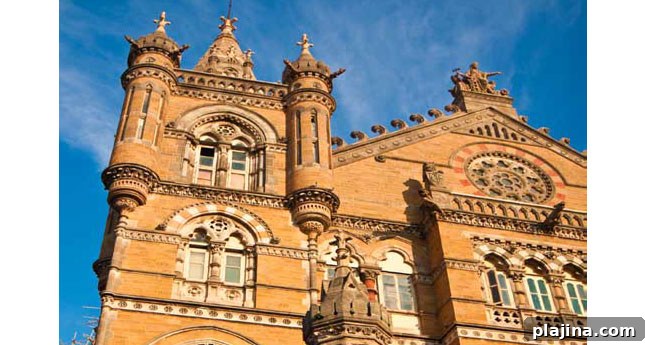
A UNESCO World Heritage site, Chhatrapati Shivaji Terminus (formerly Victoria Terminus) is an outstanding example of Victorian Gothic Revival architecture infused with Indian motifs. Built beginning in 1878, the station features ornate spires, carved stonework and impressive stained-glass windows. It remains a working railway terminal and a striking symbol of the city’s layered history.
Elephanta Caves
Located on Elephanta Island in Mumbai Harbor, about six miles from the city, the Elephanta Caves are a UNESCO-listed complex of rock-cut temples and sculptures depicting themes from Hindu mythology. Regular ferries and catamarans operate from the Gateway of India; a short boat ride rewards visitors with fine examples of ancient rock art and scenic views back toward Mumbai.
Gateway of India
The Gateway of India stands as one of Mumbai’s most recognizable landmarks. Built in 1911 to commemorate a royal visit, this grand basalt arch overlooks the Arabian Sea and serves as a popular starting point for sightseeing, boat trips and people-watching. Its ornate latticework and commanding waterfront location make it a focal point of the city.
EVENTS AND FESTIVALS
Elephanta Festival
Held each February on Elephanta Island, the Elephanta Festival combines classical Indian dance, music and sculpture exhibitions. It’s an opportunity to experience traditional arts in a dramatic historic setting.
Ganesh Chaturthi
Celebrated in late August or early September, Ganesh Chaturthi is a major ten-day festival honoring Lord Ganesha. The city comes alive with colorful processions, elaborately decorated idols, music and communal events. Expect large crowds and an immersive cultural experience; the humidity during this period can be high.
Kala Ghoda Arts Festival
Taking place annually in late January or early February, the Kala Ghoda Arts Festival is one of India’s largest multicultural arts events. Over nine days, the festival presents visual art, music, dance, theater, film screenings and talks. It’s also a great chance to sample street food and purchase handcrafted souvenirs from local artisans.
RESOURCES
For official tourism information and practical travel guidance, consult India’s tourism resources and local visitor information centers when planning your trip to Mumbai.