
The UNESCO World Heritage neighborhood of Balat rivals Istanbul’s Old City in historical importance, with an added burst of color. Its cobbled, hilly streets are lined with houses, cafés, restaurants and churches painted in pinks, reds, oranges, yellows, greens and blues — in places even outshining my native San Francisco’s famously steep, colorful avenues. The most vivid row of homes, some dating from about 50 to 200 years old, runs along Kiremit Caddesi.
Located on the Golden Horn, an estuary that flows into the Bosporus, Balat became a refuge in the late 15th century for Jews fleeing Spain and Portugal. At its height, the neighborhood contained 11 synagogues; after an earthquake and fires in 1894 many residents left. By 1965 an estimated 640 Jewish families lived in Balat, and today the community is considerably smaller.
Although the Jewish population declined, two principal synagogues remain active. One of the oldest in Türkiye, the 15th-century Sephardic Ahrida Synagogue, was founded by Romaniote Jews from Ohrid in North Macedonia and features an interior bema shaped like the prow of a ship. The Yanbol Synagogue, built in the 18th century by Sephardic Jews from Bulgaria, is another important site. Visitors should arrange permission in advance to enter these synagogues or join a Jewish heritage tour to learn more.
© Kenan Kahraman | Dreamstime.com
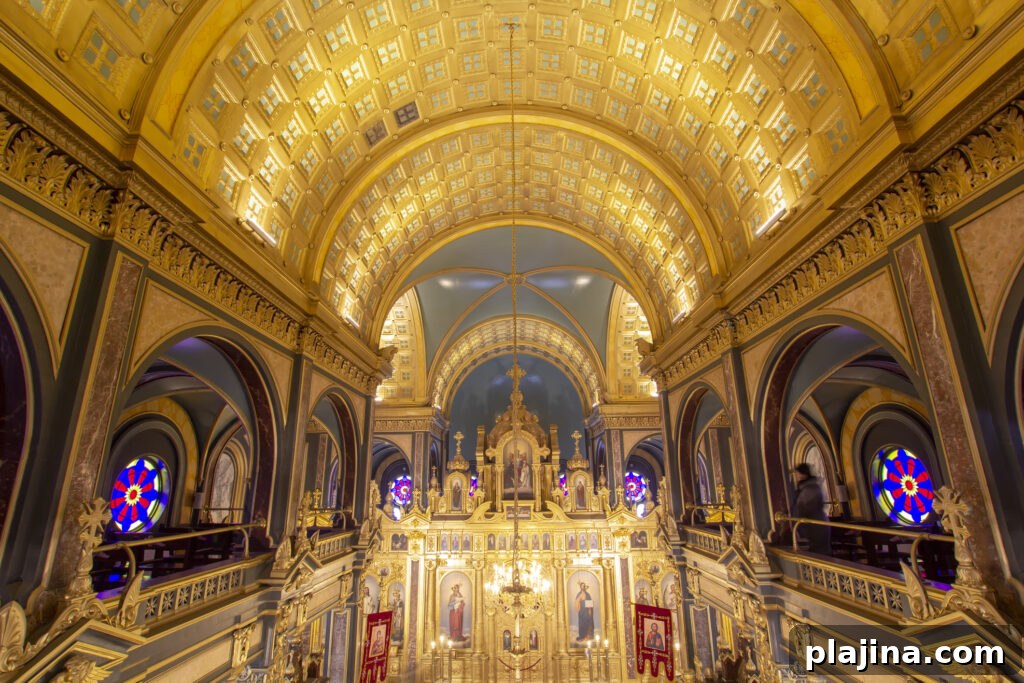
The Bulgarian St. Stephen’s Orthodox Church underwent a multimillion-dollar restoration and reopened in 2018. Often called the Bulgarian Iron Church, it was cast in iron in Vienna and assembled in Istanbul in 1871. Surp Hiresdagabed Armenian Church, transferred to the Armenian community in 1628 from the Greeks and renovated in 1835, is another historic landmark in Balat. The neighborhood also offers views of the red-brick Phanar Greek Orthodox College, which opened in 1454.
Today Balat draws both tourists and locals who come to browse its independent shops and watch daily life from a string of cafés, many clustered along Vodina Caddesi and Yıldırım Caddesi. You can easily spend half a day wandering through art shops, antique stores and bookstores, discovering unique finds and local crafts.
For cafés and casual dining, popular choices include Balat Sahil, a traditional meyhane known for fresh fish, mezze and local wine or raki. Forno is well regarded for its lahmacun, a thin flatbread topped with spiced meat. Maison Balat, a café housed inside an antique shop, is worth stopping at for its homemade cherry juice and relaxed atmosphere.
Balat offers a calm alternative to Istanbul’s busiest tourist areas while revealing a layered, colorful history of its own.