
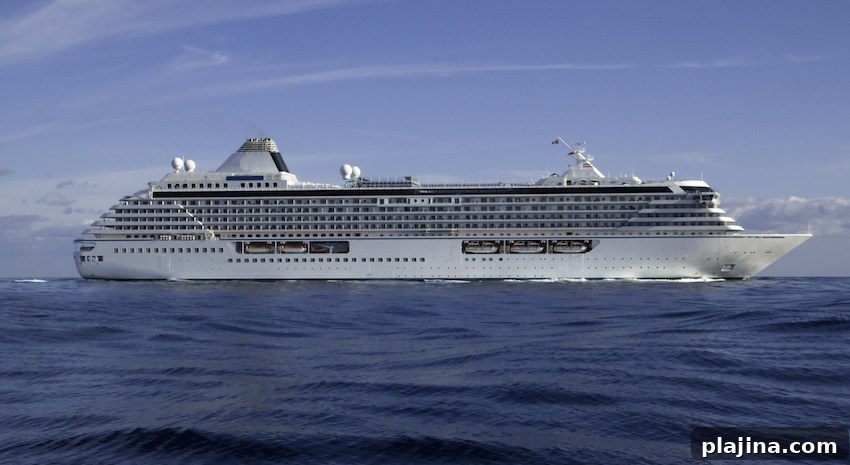
Cruise enthusiasts willing to pay top dollar recently embarked on a controversial and exclusive voyage with Crystal Cruises to witness some of the planet’s most at-risk landscapes. The trip navigated the Northwest Passage, a route once choked with ice that is increasingly accessible as warming temperatures reduce sea ice and reshape the Arctic environment.
From Aug. 16 to Sept. 17, the Crystal Serenity spent a month sailing from Seward, Alaska, through the Northwest Passage before arriving in New York City. It was the largest passenger vessel to transit this Arctic corridor, a route that links the Pacific and Atlantic Oceans and has opened more frequently in recent years as climate change accelerates ice melt.
Fares for this maiden voyage reached up to $100,000 per passenger, and all travelers were required to purchase emergency evacuation insurance, which cost $44,500. Onboard offerings included helicopter excursions over glaciers, wildlife viewing opportunities such as polar bear sightings, and other guided experiences designed to showcase the region’s dramatic landscapes.
The expedition sparked criticism from environmental groups and climate scientists who argue that large cruise ships pose risks to fragile Arctic ecosystems. Concerns include emissions, potential fuel spills, disturbance to wildlife, and increased human presence in areas ill-equipped to respond to emergencies. Critics say such voyages can accelerate environmental degradation even as they highlight the effects of global warming.
Supporters and some passengers counter that firsthand exposure to the rapidly changing Arctic can foster greater awareness and urgency about climate issues. For many onboard, seeing retreating glaciers and altered habitats up close provided a powerful illustration of global warming’s impacts and motivated conversations about conservation and climate action.
Operators of polar cruises maintain that they follow established safety and environmental protocols, including using modern navigation and fuel systems, partnering with local authorities, and adhering to guidelines intended to minimize ecological harm. Nevertheless, the debate continues over whether tourism of this scale belongs in such vulnerable regions, especially as access increases with rising temperatures.
As Arctic passages open more frequently, regulators, conservationists, and the travel industry face difficult choices about balancing access, safety, and environmental protection. The Crystal Serenity voyage highlighted both the allure of exploring remote polar landscapes and the complex ethical questions that accompany tourism in a rapidly changing climate.