
Cruising surged in popularity after the COVID-19 pandemic, prompting ports around the world to modernize quickly to handle growing numbers of shipborne visitors. From remote Pacific atolls to historic Mediterranean marinas, ports are expanding infrastructure, adopting new technologies, and investing in better connections with airports and highways to support increased cruise traffic.
Modernizing cruise ports brings clear benefits and notable challenges for local communities. Expanded tourism creates jobs in hospitality, transportation and administrative services, and often raises local living standards. At the same time, rapid change can displace traditional livelihoods such as fishing and boat-building. Accessibility typically improves — with ramps, elevators and better transport options for people with disabilities — but the concentration of ships and shore operations can strain ecosystems and erode previously pristine coastlines. Likewise, an influx of visitors adds cosmopolitan energy and new amenities to port towns, yet it can also contribute to social problems, including noise, crowded streets, and occasionally unruly behavior. Thoughtful, responsible port development that balances economic opportunity with environmental protection and cultural preservation can help make modernization a net positive for both residents and travelers.
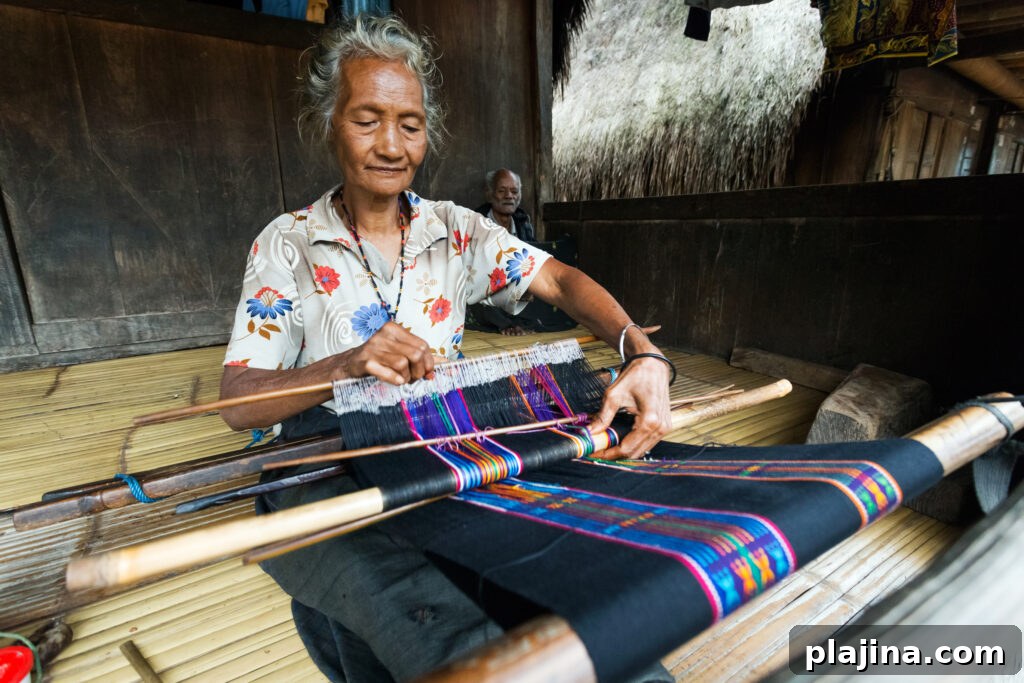
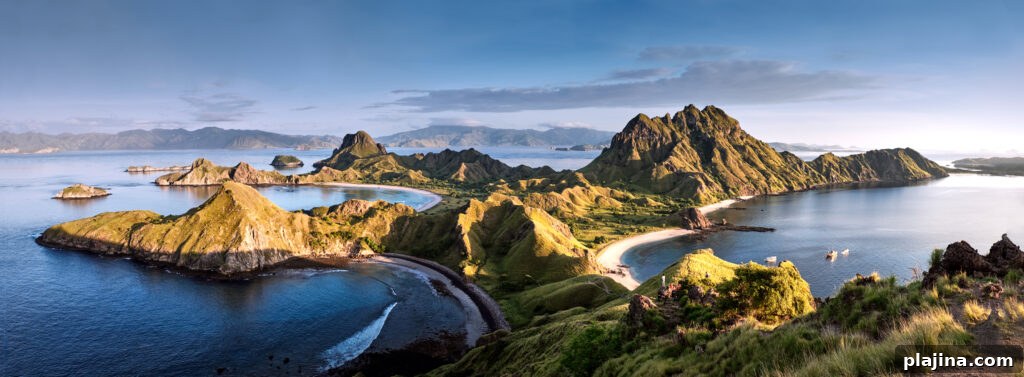
When Arie Pagaka began working on cruise ships in the late 1990s, his hometown of Labuan Bajo on Flores Island in Indonesia was a quiet fishing village. Today it ranks among Indonesia’s busiest cruise ports, second only to Bali in passenger volume.
© Bubbersbb | Dreamstime.com
“When I started my career at sea, Europeans and Americans were a novelty in Labuan Bajo,” Pagaka recalls. “Now local children speak English as fluently as Bahasa, and the town boasts five-star hotels and fine dining.”
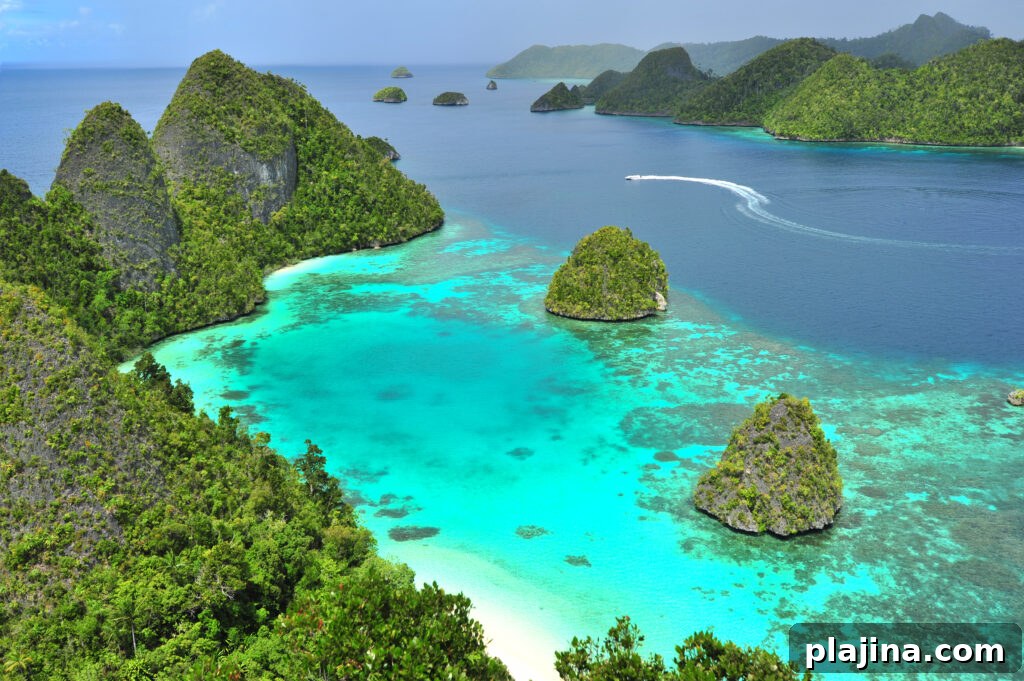
On SeaTrek Sailing Adventures, Pagaka still visits islands where modernization has barely touched daily life, places such as Alor, the Maluccas and Raja Ampat. “Life on Indonesia’s remote islands is simple and slow. Men work as fishermen and women weave ikat,” he says, referring to the traditional, brightly colored textile of eastern Indonesia. “From the outside it may look romantic, but it is hard work.”
Pagaka sees Labuan Bajo’s transformation as a mixed blessing. He acknowledges tangible losses: “The close-knit fishing community is gone, and very few young people want to stay. Boys who once aimed to become fishermen now dream of Jakarta or even cities in Europe and the United States.”
© Dodi Sandradi | Dreamstime.com
Despite those concerns, Pagaka believes the overall impact has been positive. Improved healthcare, better connectivity via airports and the internet, and a higher standard of living have benefited many residents. To mitigate cultural loss, he recommends earmarking a portion of tourism taxes to support Florenese traditions like weaving, music and dance.
Across the globe, Dugi Otok — a Croatian island in the Adriatic — tells a similar story. Tour guide Valerie Steffe moved there in 2021 from the mainland and found an island deeply rooted in tradition but quickly adapting to change. A €12 million renovation of Sali’s port, completed in 2023, has helped turn Dugi Otok into a rising Mediterranean destination.
“In the span of a year, the harbor upgrades have supercharged tourism,” Steffe says. Although Sali’s harbor is too shallow for large cruise ships, new facilities allow tenders to ferry passengers from ships anchored off nearby Zadar. The upgrades have led to more visitors and stimulated local services.
© Tanutkij Wangsittidej | Dreamstime.com
Steffe notes both positive and negative effects: roads and beaches are busier, but residents now enjoy conveniences such as a modern supermarket, better restaurants and improved transport links. The harbor project also created jobs in resorts and hotels and upgraded local infrastructure like roads and bus services, making daily life easier for many locals.
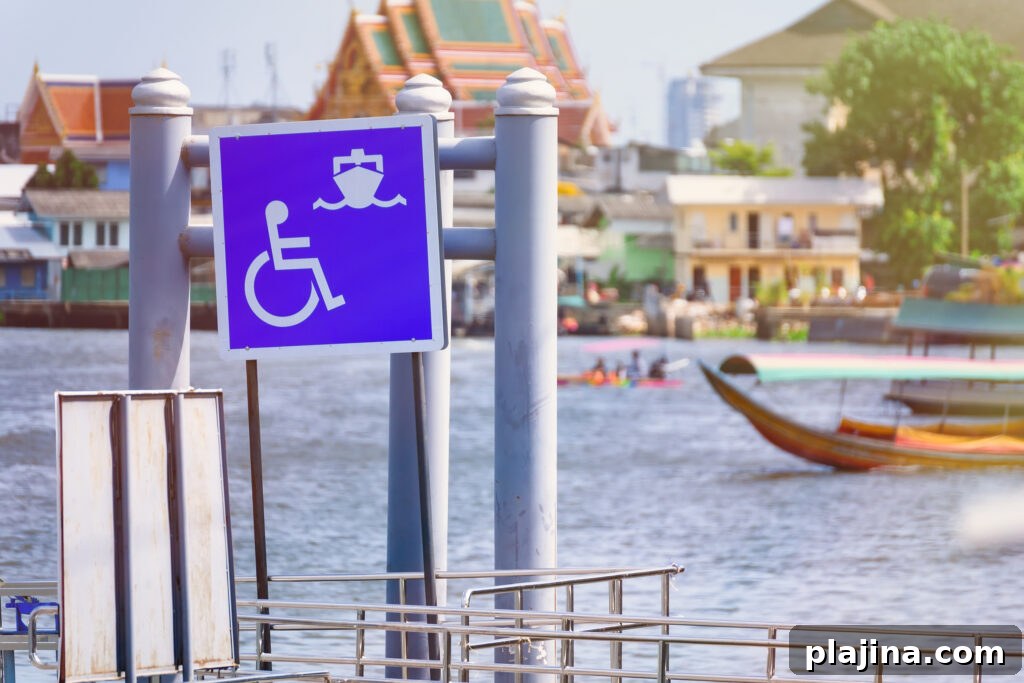
Improved accessibility for disabled travelers is one of the clearest advantages of modern port design. Imali Chislett, founder of Disabilities At Sea, a consultancy advising ports and cruise lines, recalls struggling through outdated ports as a wheelchair user. “Some older ports resemble messy construction sites — cargo containers blocking pathways and forklifts moving through pedestrian areas. It can feel like navigating a maze in a wheelchair,” she explains.
Chislett welcomes the growing focus on accessible design. She praises La Spezia, Italy, for its clear walkways, English-speaking staff, and elevators and shuttles adapted for wheelchairs. “La Spezia demonstrates how ports can be accessible for wheelchair users, the visually impaired and people who are neurodivergent,” she says, noting the importance of quieter, less chaotic environments for travelers with autism.
© Tanutkij Wangsittidej | Dreamstime.com
Discussions about cruise port modernization are necessarily complex. The process brings economic uplift and improved services but can also cause congestion, environmental strain and the decline of traditional livelihoods. Modern ports become more inclusive for diverse travelers, yet the arrival of global tourism places pressure on local culture and landscapes.
Long-term success depends on responsible planning and community engagement. Both Steffe and Pagaka emphasize that developers should prioritize environmental protection and cultural resilience alongside efficiency and capacity upgrades. Working closely with local leaders, tour operators and accessibility experts like Chislett will be essential to modernize ports in ways that preserve local character while delivering economic and social benefits.