
While large convention centers and abundant hotel space in cities such as New York, Chicago and Orlando will always draw major conferences, more corporate event planners are turning to smaller, more affordable cities for several practical reasons.
Known as “secondary cities,” these destinations promote themselves to business organizers by highlighting modern meeting facilities alongside the appeal they offer as pleasant vacation spots. Cities like San Antonio, Denver, Nashville and St. Louis understand that landing large events brings important revenue to the local economy, and they actively court groups looking for a memorable yet cost-effective location.
Cost is a primary driver behind this trend. Smaller metropolitan areas typically offer lower rates for hotel rooms, meeting venues, off-site restaurants and local activities, which helps organizations manage budgets without sacrificing attendee experience. In many cases, local tourism boards and hospitality partners are willing to negotiate incentives, reduced rates or support services to attract conferences and conventions, making secondary cities an even more attractive option.
Availability also plays a major role. Securing event space and a block of hotel rooms in major cities often requires booking many months or even years in advance. Secondary cities generally have more flexible availability, making it easier to assemble the venue, accommodation and supporting services within a shorter timeframe. That flexibility can simplify planning and reduce the risk of last-minute complications.
Beyond cost and availability, secondary cities can offer a distinctive sense of place that enhances attendee engagement. Smaller downtowns, unique dining scenes, accessible cultural attractions and shorter transit times between venues create a more relaxed, connected experience. For many attendees, that atmosphere fosters networking and informal conversations that are harder to replicate in larger, more congested urban centers.
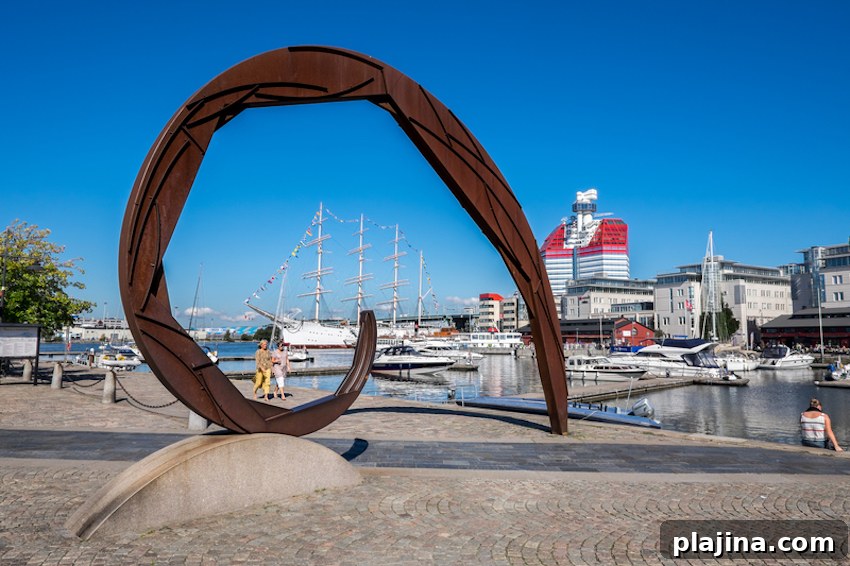
The shift toward secondary destinations is not limited to the United States. Internationally, some planners are moving away from traditional hubs like Stockholm and Barcelona in favor of quieter, more economical alternatives such as Gothenburg, Sweden and Seville, Spain. These locales combine efficient meeting infrastructure with lower overall costs and appealing local character, making them competitive choices for international meetings and incentive travel.
Ultimately, choosing a secondary city can deliver notable benefits: reduced expenses, greater scheduling flexibility, strong local support and a distinctive attendee experience. For organizations that value cost control and want to offer participants a memorable setting, these smaller yet capable destinations are becoming a preferred option for conferences, corporate retreats and industry gatherings.