
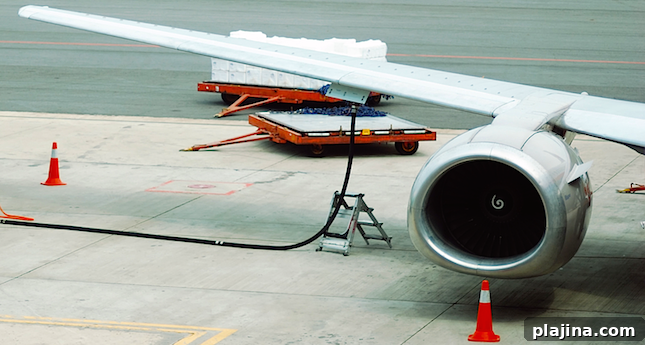
Starting this year, the Lufthansa Group will begin using a bio-kerosene blend to refuel its aircraft operating from Oslo Airport. This marks a significant step in the airline’s ongoing commitment to researching, testing and adopting alternative fuels.
From March, Statoil will supply certified, sustainably produced biofuel to Oslo Airport. Once the fuel is available, the Lufthansa Group will use the bio-kerosene blend for roughly 5,000 flights operated from Norway’s capital by its airlines, including Lufthansa, SWISS, Austrian Airlines, Germanwings and Brussels Airlines.
Oslo Airport is the first major commercial airport in the world to provide continuous access to biofuel over an extended period and to deliver biokerosene directly through its hydrant system. For the Lufthansa Group, this initiative builds on earlier test flights conducted under the burnFAIR project and represents a move toward integrating alternative fuels into regular flight operations.
The transition to a bio-kerosene blend at Oslo Airport demonstrates the potential for large-scale, practical use of sustainable aviation fuels. By sourcing certified biofuel and distributing it via existing infrastructure, the project reduces the logistical barriers that have traditionally slowed broader adoption. It also provides a real-world case study for airlines, airports and fuel suppliers aiming to reduce carbon intensity in aviation.
Implementing biofuel on operational flights involves close coordination between the airport, fuel supplier and airlines to ensure safety, certification and supply reliability. Using the hydrant system to deliver the fuel directly to aircraft simplifies refueling procedures and avoids the need for special handling or separate supply chains. The arrangement at Oslo offers a scalable model for other airports seeking to introduce sustainable aviation fuels without disrupting standard operations.
While bio-kerosene is not a complete substitute for carbon-neutral solutions, its adoption can immediately reduce lifecycle greenhouse gas emissions compared with conventional jet fuel. The Lufthansa Group’s deployment at Oslo is part of a broader strategy combining research, operational testing and gradual integration of lower-carbon fuels to meet long-term sustainability goals.
As more airports and suppliers adopt similar practices, the aviation industry can accelerate the practical rollout of sustainable fuel options. Projects like the one at Oslo Airport provide valuable operational experience and demonstrate how airlines and airports can collaborate effectively to lower aviation’s environmental footprint.