
With a refreshed design and a reimagined menu, Kō at Fairmont Kea Lani in Maui raises island dining to a new level with fresh, locally sourced ingredients that reflect Hawaiʻi’s layered cultural heritage. Leading this vision is executive chef Matt Dela Cruz, who sat down with Global Traveler to share his background, inspirations and culinary philosophy.
Global Traveler: Tell us about “plantation-style” cuisine, and how tradition factors into your creative process.
Chef Matt: Plantation-era cuisine grew from the sugarcane fields of Hawaiʻi and represents a true melding of cultures—Hawaiian, Filipino, Portuguese, Korean, Japanese and Chinese—brought together by the workers who shared meals during “kaukau time.”
My upbringing is rooted in that era. My father and relatives worked the fields, and our family gatherings were always potlucks where everyone contributed their own flavors and recipes. That communal, resourceful way of cooking is the essence of plantation food: simple, humble ingredients transformed with care into dishes that became the foundation of what many now know as Hawaiian plate-lunch cuisine.
© Weekend Digital
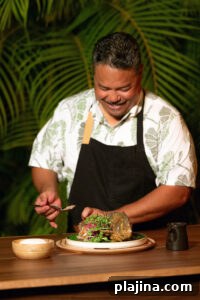
My dad would make beef stew from local wild cattle—meat that’s tough and requires time and patience to turn into something delicious. I put my contemporary spin on that tradition by using beef cheek: more tender and slightly more refined, yet still soulful. That blend of elevated technique and comforting, familiar flavors is central to my approach—refined comfort food that honors family and local cooking traditions.
GT: Do you have a favorite flavor combination, and does it make an appearance on your menus at Kō?
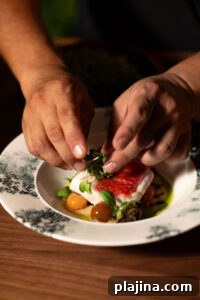
Chef Matt: I’m drawn to smoke and spice. Smoke—whether from smoked butter or smoked soy—adds a layer of depth and intensifies umami. Soy is a constant in my flavor palette, and so is ʻulu (breadfruit), which I’ve loved for more than 30 years. At Kō you’ll find these elements combined in dishes featuring smoked ʻulu purée, smoked butter and black garlic soy sauces. Hawaiian chili pepper water is another deeply personal flavor—my dad would mix it with soy and calamansi as a quick dip for fish. I’ve taken that memory and refined it into a composed vinaigrette that presents beautifully on the plate.
GT: You trained under legendary Chef Roy Yamaguchi. What do you feel is the most enduring lesson you learned from him and have carried into your own kitchens?
© Weekend Digital
Chef Matt: Roy gave me creative freedom—a blank canvas to develop my own voice and refine my techniques. Working with top ingredients and talented chefs helped shape my craft, but the most enduring lesson was simple: always take care of your customers. They are your foundation.
He taught me that your style is born of your life and experiences, but you cook for others as well as yourself. That humility—respecting the traditions that came before you while serving your guests—has guided me since. When I became executive chef at Kō, I wanted to honor the restaurant’s longtime patrons while introducing my own creations. Balancing beloved classics with new dishes creates the strongest menus in my view.
GT: What do you hope diners will take away with them after dining at Kō?
Chef Matt: I hope guests leave with a sense of authentic Hawaiʻi—food interpreted by someone who grew up here and learned to cook from that life. The menu is a matured vision shaped by family, community and culture. At Kō we tell stories through food; that narrative is what makes the experience meaningful. I’m proud when local diners and visitors alike recognize those familiar flavors, enjoy elevated comfort food, and feel transported back to memories of growing up here.