
Césaria Évora, Cabo Verde’s beloved “Barefoot Diva,” often sang of her homeland, the island of São Vicente—one of the nation’s ten inhabited islands. When she died in 2011 at age 70, the whole country mourned. Her songs capture the soul of an archipelago whose people have long faced economic challenges but are finding new opportunities through tourism, culture and sustainable development.
Évora’s youth was shaped by the widespread poverty common across the islands. Cabo Verde has limited natural resources and high unemployment, and for decades many skilled workers left to find work abroad. Remittances from family members in Europe and North America have been an important source of household income. In recent years, however, expanding tourism and cultural initiatives have helped bring more prosperity to this picturesque chain of islands off West Africa.
© Hilton Cabo Verde Sal Resort
Portuguese is the official language of Cabo Verde, a legacy of five centuries of Portuguese rule, but Creole—a lively blend of Portuguese and West African languages—is spoken in daily life. The islands form a sunlit, backward C shape in the Atlantic and enjoy more than 300 days of sunshine a year, with temperatures usually between 77°F and 86°F. Over the last two decades European tourists in particular have discovered the islands’ dramatic white and black sand beaches, and many have bought vacation homes within just a few hours’ flight of cities such as London, Berlin and Zürich.
On Sal, the town of Santa Maria sits beside broad beaches and salt flats that gave the island its name. Visitors choose from private villas, large resort complexes and boutique hotels, and watersports dominate the activity scene. Fresh stretches of asphalt now link Santa Maria with new coastal developments, and new resorts continue to open. One major property, the $140 million Royal Horizon Ponta Sino, is scheduled to debut with hundreds of rooms and extensive beachfront facilities.
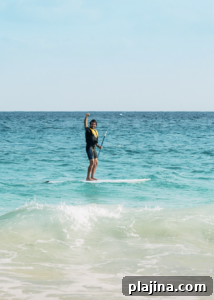
Santa Maria Beach offers a wide range of water-based activities. Atlantic Star Nautical Center, located in front of the Hilton Cabo Verde Sal Resort, runs diving, windsurfing, snorkeling, kiteboarding, beach buggies, jet skis and electric beach bikes. About 15 minutes away is Zipline Cabo Verde, which opened in 2021 and provides another way to experience the islands’ dramatic scenery.
Boa Vista, with roughly 30 miles of white-sand beaches, presents a slightly greener landscape than Sal. Its new international airport receives visitors from Europe and North America seeking music, nightlife and a relaxed beach-town atmosphere in Sal Rei, the island’s main town.
For culture and nightlife, fly to São Vicente and base yourself in Mindelo, a charming colonial town founded in 1793 and widely recognized as Cabo Verde’s cultural and musical center. Mindelo is Césaria Évora’s birthplace and home to the vibrant Mindelo Cultural Center, where theater rehearsals, music classes, visual art exhibits and yoga sessions frequently occur. The town’s deepwater harbor fills with fishing boats that bring fresh catch to local markets and restaurants each day.
© Chez Pastis
Santiago is the largest and most populated island, roughly 35 miles long and 18 miles wide. Greener and more mountainous than the northern islands, it supports a thriving agricultural sector that exports bananas, mangoes and coffee. Praia, the national capital located on Santiago, offers diverse neighborhoods to explore—some gritty and authentic, others more polished with shops, restaurants and residential areas.
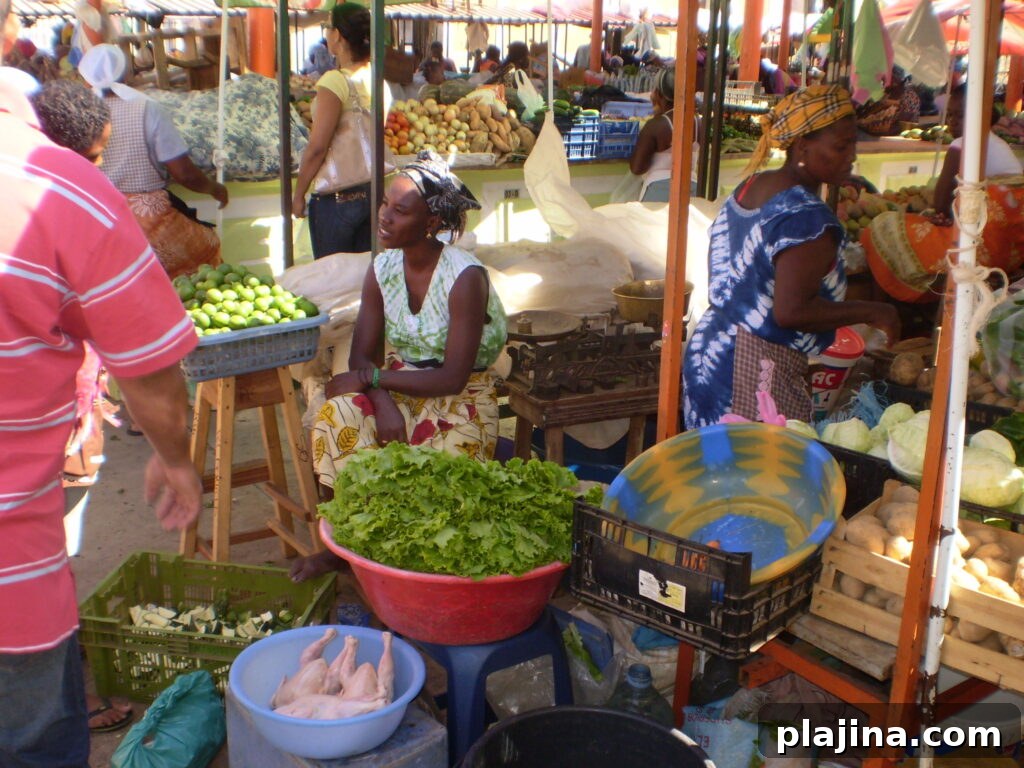
In Praia you’ll see barefoot children playing soccer on dirt pitches and vendors selling produce, clothing and souvenirs at outdoor markets. At sunset, street barbecue vendors serve fresh grilled fish and chicken alongside speakers playing morna, the soulful music of Cabo Verde performed in Creole and Portuguese. Sitting down at a simple outdoor stand with a cold local beer while morna plays is a wonderful, authentic way to experience Cabo Verdean life.
Rental cars are convenient for exploring Santiago, while local taxis and inexpensive ferries serve travel between smaller islands. Praia—whose name means “beach” in Portuguese—hints at the many coastal spots you’ll encounter while island-hopping. Alternatively, slow down and spend time on a single island, soaking in the relaxed pace and warm hospitality.
© Hilton Cabo Verde Sal Resort
Lodging
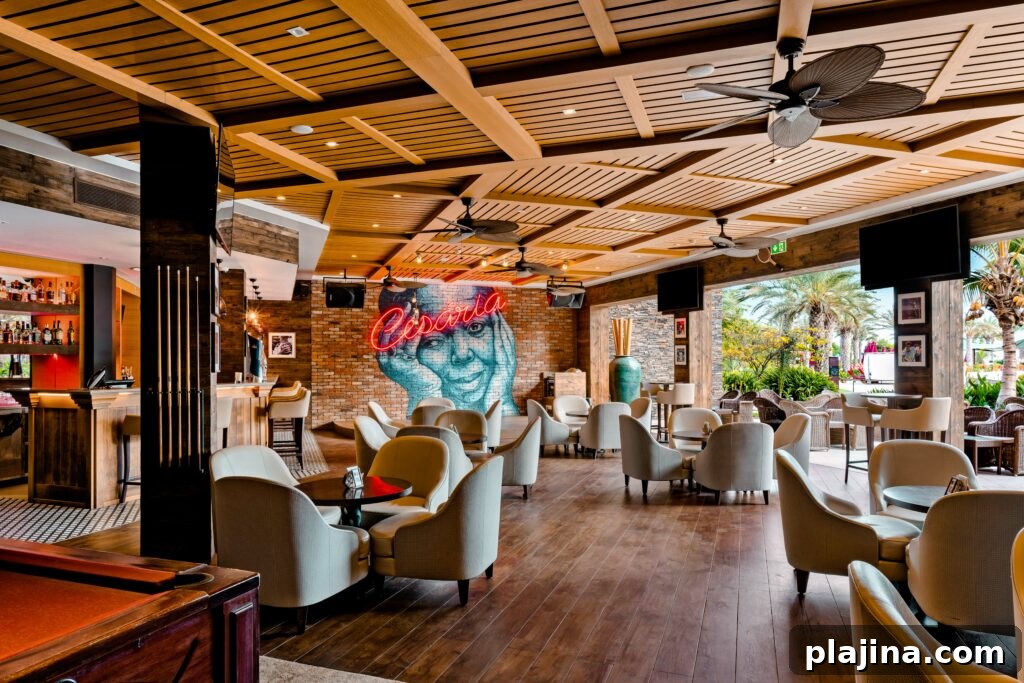
Hilton Cabo Verde Sal Resort
This modern beach resort features 241 guestrooms and sits alongside Atlantic Star Nautical Center and Casino Royal, the country’s only gaming venue. Guests enjoy multiple dining options and daily breakfast included.
Avenida dos Hotels, Santa Maria, Sal
$$$–$$$$
Oásis Atlântico Praiamar Hotel
Located about four miles from Nelson Mandela International Airport in Praia, this business-style property offers 123 guestrooms and three suites, an outdoor pool and a cliffside Panorama Bar, plus easy access to local attractions.
WF3P+5V9, Praia, Santiago
$$$
Ouril Hotel Mindelo
Opened in 2023, this 130-room hotel sits a short walk from Mindelo Harbor and Laginha Beach. Facilities include free breakfast, Wi‑Fi, covered parking and two outdoor pools, with attractive views of the waterfront.
Avenida Marginal, Mindelo, São Vicente
$$–$$$
Dining
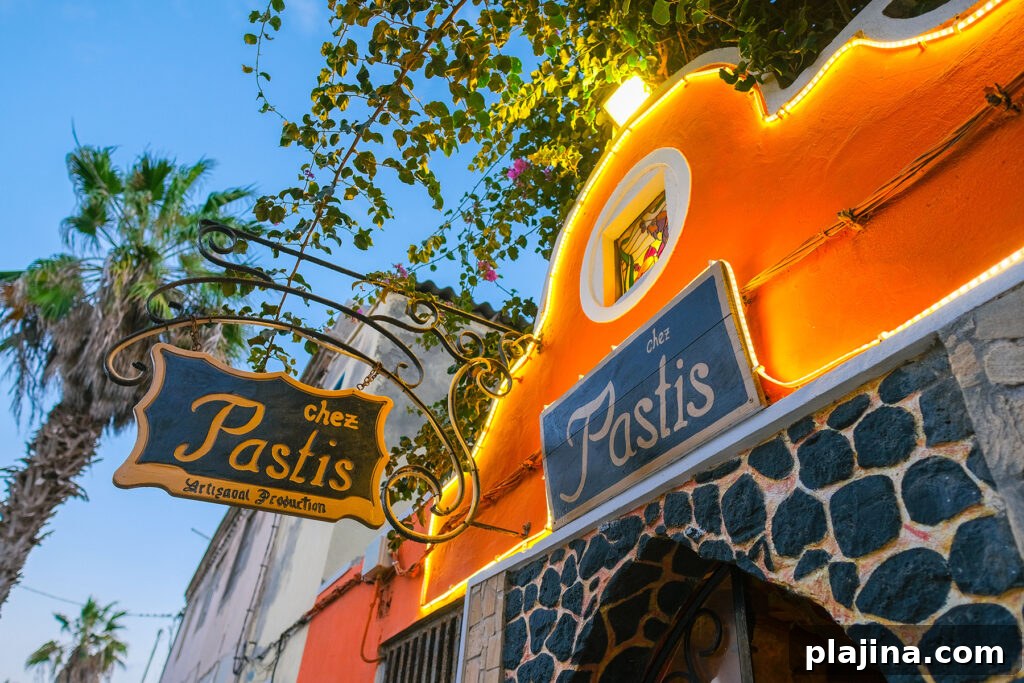
Chez Pastis
A favorite in Santa Maria, Chez Pastis serves dishes such as smoked fish carpaccio and grilled Brazilian filet mignon; finish with their signature Sambuca Tchaka Tchaka dessert experience.
R. Amilcar Cabral 5, Santa Maria, Sal
$$$
Dokas Restaurant & Bar
Located on Mindelo’s waterfront, Dokas offers outdoor seating overlooking the marina as well as an air-conditioned dining room. Menu highlights include grilled chicken, kebabs, daily catch, mixed seafood and lobster.
Avenida Marginal, Baia Porto Grande, Mindelo, São Vicente
$$$–$$$$
Morabeza Beach Bar & Lounge
On Boa Vista’s Estoril Beach near Sal Rei, Morabeza prepares steaks, grilled lobster and fresh seafood straight from the boat. The chic outdoor venue often features live music in the evenings.
Praia Estoril, João Cristovão, Sal Rei, Boa Vista
$$$–$$$$
© Hilton Cabo Verde Sal Resort
Info to Go
Cabo Verde comprises 11 islands—ten inhabited and one protected nature reserve—and seven airports. Sal’s Amílcar Cabral International Airport serves many international routes and is a common entry point for tourists, while Nelson Mandela International Airport on Santiago handles flights to the capital. São Vicente’s Cesária Évora Airport and Boa Vista’s Aristides Pereira International Airport also receive domestic and international services. Airlines such as Cabo Verde Airlines and TAP Air Portugal operate flights from Lisbon, and several other carriers fly from major European cities.
There is no public rail or bus service connecting airports to cities; travelers should arrange airport transfers through their hotels or use taxis, which are widely available. Airport taxi fares are generally standardized at roughly €10–15 (about $11–16) each way. A modest tip of around 10 percent is customary and appreciated.