
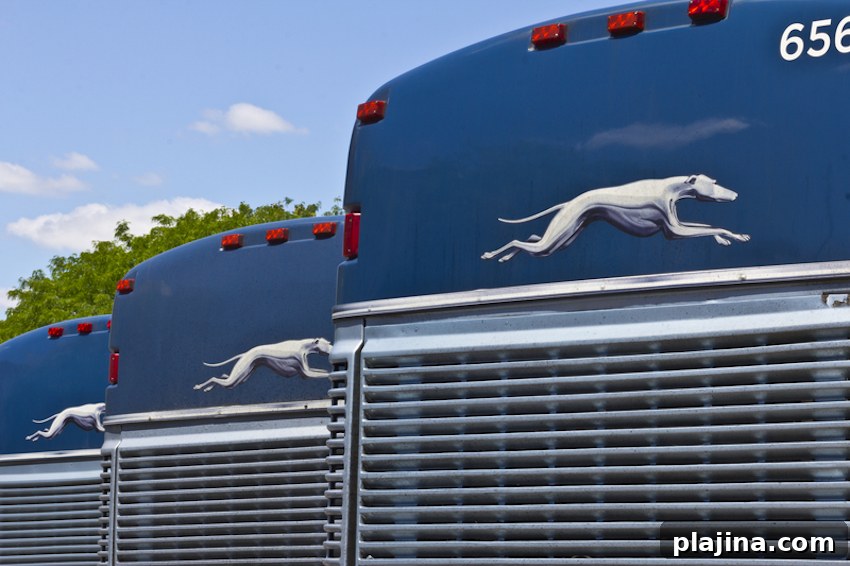
Once a reliable option for budget travelers who weren’t pressed for time, the Greyhound bus network has seen its role reduced in an era of discount airlines, ridesharing services, and low-cost bus competitors. What was once a default long-distance choice for many is now one among many, and not always the most appealing option.
FirstGroup Plc, the British transport company that acquired Greyhound in 2007, has struggled to overcome the financial strain from that purchase. Competition from cheap airfares and expanded flight routes has eroded passenger numbers, while immigration-control complexities at the U.S.–Mexico border have added operational challenges. At the same time, aging buses and deferred maintenance have left the fleet in need of significant repair, and a shrinking pool of drivers has contributed to rising labor costs.
These pressures have prompted discussions about a possible sale of Greyhound. Any transaction today would likely reflect a much lower valuation than the one paid nearly two decades ago. The company has already experienced leadership changes and substantial losses, and its recent annual deficit underscores the difficulties it faces. As travel patterns continue to evolve, Greyhound’s future will depend on how well it adapts to shifting customer preferences, operational demands, and competitive alternatives.