
UNTIL YOU VISIT, you may never fully appreciate the cosmopolitan character of Buenos Aires. From design and architecture to technology, finance and the arts, the city rivals global metropolises like Paris, New York and Tokyo. Though located on the water, Buenos Aires is a port city rather than a beach resort—its residents are known as porteños, people with a zest for life who take pleasure in sharing their city with visitors.
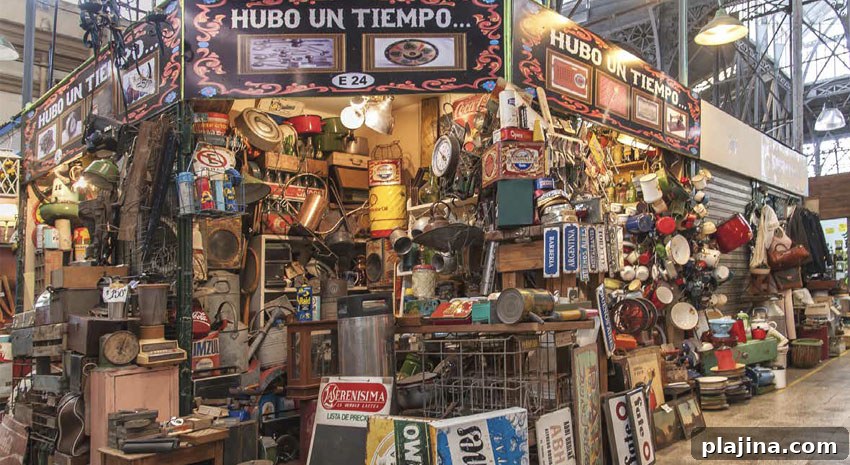
From the moment you arrive, the energy and charm of this Argentine capital are immediately apparent. Most visitors divide their time among elegant Recoleta, stylish and eclectic Palermo, and the historic, gentrified San Telmo, where a sprawling open-air antique market takes place every Sunday. The Central Business District—La Citi—spans San Nicolás, Montserrat and Retiro and is home to the Buenos Aires Stock Exchange, Argentina’s Central Bank and other major financial institutions.
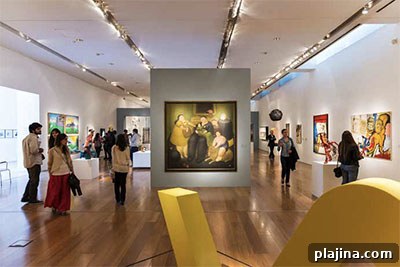
The Latin American Art Museum of Buenos Aires © PEEK CREATIVE COLLECTIVE – DREAMSTIME.COM
European influence is woven into the city’s architecture and street life. Waves of immigrants from Spain, Italy and Germany, along with one of the world’s largest Jewish communities, shaped Buenos Aires throughout the 19th and 20th centuries, leaving a legacy visible in façades, public buildings and neighborhoods. Highlights include Teatro Colón, one of the world’s premier opera houses, which offers guided tours and has hosted artists like Maria Callas. The Museum of Latin American Art of Buenos Aires (MALBA) showcases modern and folk art in both permanent and rotating exhibitions. Tango, the city’s signature cultural expression, can be enjoyed in numerous venues—attend a professional show or take a lesson to learn the steps yourself. La Recoleta Cemetery, a neighborhood landmark where notable Argentines such as Eva Perón are buried, is another striking example of the city’s historical layers.
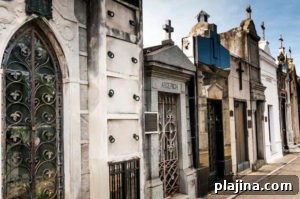
Mausoleums at La Recoleta Cemetery © WELTREISENDERTJ – DREAMSTIME.COM
Buenos Aires has also become a hub for innovation and business. The city earned recognition as a smart city for its openness to entrepreneurship, technology and app development. The Buenos Aires Exhibition and Convention Centre hosted the 2017 Smart City Expo World Congress, gathering international experts to discuss open government, sustainable urban planning and digital innovation. In 2018 the city hosted the G20 Summit, highlighting Argentina’s role on the global stage.
Despite the pace of business, a thriving cocktail culture connects work and leisure in Buenos Aires. Dinners often begin late, and after-work drinks, rooftop bars and lively nightclubs are part of the routine. You’ll find excellent cocktails at luxury hotels such as the Four Seasons, Palacio Duhau Park Hyatt and Alvear Palace Hotel, at boutique properties like Fierro Hotel, Mine Hotel and Faena, and in numerous hip bars and speakeasies around the city.
For memorable entertaining, consider Florería Atlántico, a celebrated speakeasy hidden behind a working flower shop in Recoleta that reflects Buenos Aires’ immigrant heritage through a globally inspired cocktail menu. Nearby, Presidente Bar by mixologist Seba García blends sophisticated décor with refined drinks; ask to be shown the hidden Library, a private room with its own distinctive cocktails. In Palermo, culinary and cocktail creativity converge at venues like Anasagasti, where unconventional ingredients—sesame oil, açaí caviar, blue cheese and pumpkin syrup—shape inventive flavor combinations.
Although Buenos Aires is famous for its meat-centric parrillas (steakhouses) such as Don Julio, the city’s culinary scene is diverse and evolving. Jewish culinary traditions have inspired innovative restaurants like Mishiguene and Fayer, which reinterpret Eastern European and Middle Eastern flavors with modern techniques. Vegan and vegetarian options are increasingly prominent at places like Bio. Local ingredients and adventurous tasting menus can be found at El Baqueano in San Telmo, where chefs pair regional meats and native produce—such as llama and tri-colored quinoa—with wines from across Argentina. Cafés serving locally roasted coffee and the region’s beloved yerba mate are plentiful throughout the city.
Whether this is your first trip to Buenos Aires or a return visit blending business with pleasure, the city offers constant discovery. Engage with colleagues or new acquaintances over a late dinner or cocktails, and you’ll quickly find that Buenos Aires is welcoming—by the time that first round of drinks is finished, strangers are often friends.