
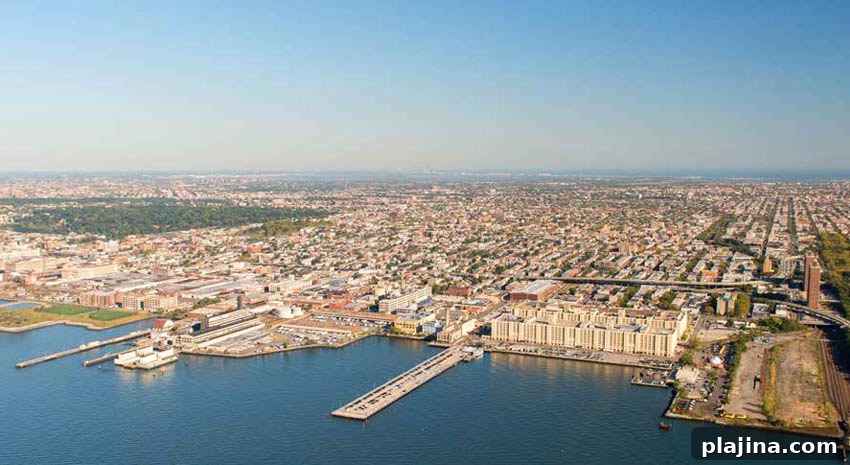
IF IT WERE A CITY UNTO ITSELF, Brooklyn would rank as the fourth-largest in the United States. As a borough of New York City, it is home to more than 2.5 million people, making it the most populous of the five boroughs.
Hosting nearly one-third of New York City’s population, Brooklyn has experienced significant growth in recent years. Located across the East River from Manhattan, the borough has become a major center for business, culture and events, drawing more than 15 million visitors annually.
This expansion spurred new hotel development across Brooklyn, with properties such as Hotel Indigo Brooklyn, Hilton Brooklyn New York, Dazzler Brooklyn and 1 Hotel Brooklyn Bridge opening to meet demand, alongside major renovations at the New York Marriott at the Brooklyn Bridge. Developers have planned dozens more hotels, which will add to the borough’s existing inventory of nearly 6,000 rooms and expand its capacity to host conferences and large events.
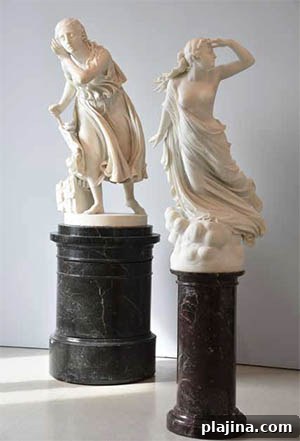
Exhibits at Brooklyn Museum © RITU JETHANI | DREAMSTIME.COM
Along with more hotels, meeting and event venues have multiplied. Standout spaces include the Vale Ballroom at The William Vale, the Meadow Rue at 1 Hotel Brooklyn Bridge and flexible banquet and meeting facilities at the New York Marriott at the Brooklyn Bridge, offering a range of options for corporate and social gatherings.
Over the past five years Brooklyn has emerged as a desirable location for technology companies, from startups to established firms. Since taking office as borough president in 2013, Eric Adams promoted the Brooklyn Tech Triangle—centering on the Brooklyn Navy Yard, Downtown Brooklyn and DUMBO—to attract investment and talent. The borough has also become attractive to creative firms and corporate back offices, hosting operations for businesses such as Amazon Fashion, Time Inc. and Etsy. Currently Brooklyn provides about 17 million square feet of office space, with room for further expansion.
“Brooklyn has seen a steady increase in business development growth, from well-known brands and hotels to startups in tech and design,” said Jerry Cito, senior vice president of convention development at NYC & Company. “With these new businesses, Brooklyn is becoming a destination in New York City for companies of all sizes to host their next meeting or event.”
The borough has also invested in its industrial and manufacturing base. The Brooklyn Army Terminal, built in 1918 and once a major wartime supply center, is being transformed into a hub for food manufacturing and light industry. City initiatives include a new Made in NY campus focused on garment manufacturing and film and television production.
Brooklyn’s private-sector job growth has outpaced the other boroughs, rising by 12.8 percent—more than double the national average. Strongest gains have come in health care, accommodations and food service, scientific and technical services, administrative support, education and construction.
With diverse neighborhoods, cultural institutions and thriving business districts, Brooklyn offers a broad appeal. As Eric Adams quips, “There are only two types of people: those who live in Brooklyn and those who wish they could.”
Getting around is straightforward: 13 subway lines and 15 city bus routes serve the borough, along with plentiful taxis and access via the Brooklyn and Manhattan bridges. For visitors who prefer to remain in Brooklyn, the borough’s dining, arts and outdoor offerings provide plenty to explore.
Brooklyn’s restaurant scene has grown alongside the borough. Notable options range from Al Di La Trattoria’s northern Italian cuisine to Vinegar Hill House’s rustic new American fare. Blanca is known for its extended tasting menus, while Olmsted sources ingredients from its backyard garden. Robert’s Pizza is celebrated for its artisanal thin-crust pies.
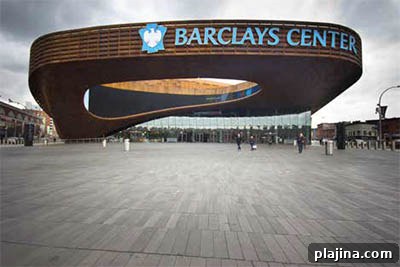
Barclays Center © LITTLENY | DREAMSTIME.COM
Brooklyn’s entertainment options are extensive. Barclays Center hosts NBA games during the season and year-round concerts. The Brooklyn Academy of Music (BAM) presents a wide range of theatre, music and dance across multiple venues, and independent theater can often be found in DUMBO and other neighborhoods. The Brooklyn Museum is one of the city’s largest museums, notable for its Egyptian antiquities and American art collections, and Prospect Park provides 585 acres of green space for recreation and relaxation.
Brooklyn’s history dates to the 1600s when the area was a cluster of six Dutch towns, including Breuckelen, named after a village in the Netherlands. After English control began in 1664, the towns were consolidated and the name evolved into Brooklyn.
Today Brooklyn remains a distinctive place to live, work and create—an energetic borough that combines history, culture, industry and neighborhood character.
SCENIC DRIVES
About 75 miles east on Long Island—roughly a 90-minute to two-hour drive from Brooklyn—more than 50 wineries produce wines largely from Bordeaux grape varieties and a selection of notable sparkling wines. Highlights include Bouké Wines, Sparkling Pointe and Wölffer Estate for those seeking a full-day excursion.
For wine experiences closer to home, Brooklyn also offers urban wineries. Brooklyn Oenology (BOE) produces a range of wines from grapes sourced on Long Island and upstate New York. Brooklyn Winery operates as both a working winery and a wine bar with tours and tastings. Rooftop Reds presents a unique urban vineyard and winery on a rooftop, billed as a one-of-a-kind urban viticulture experience.