
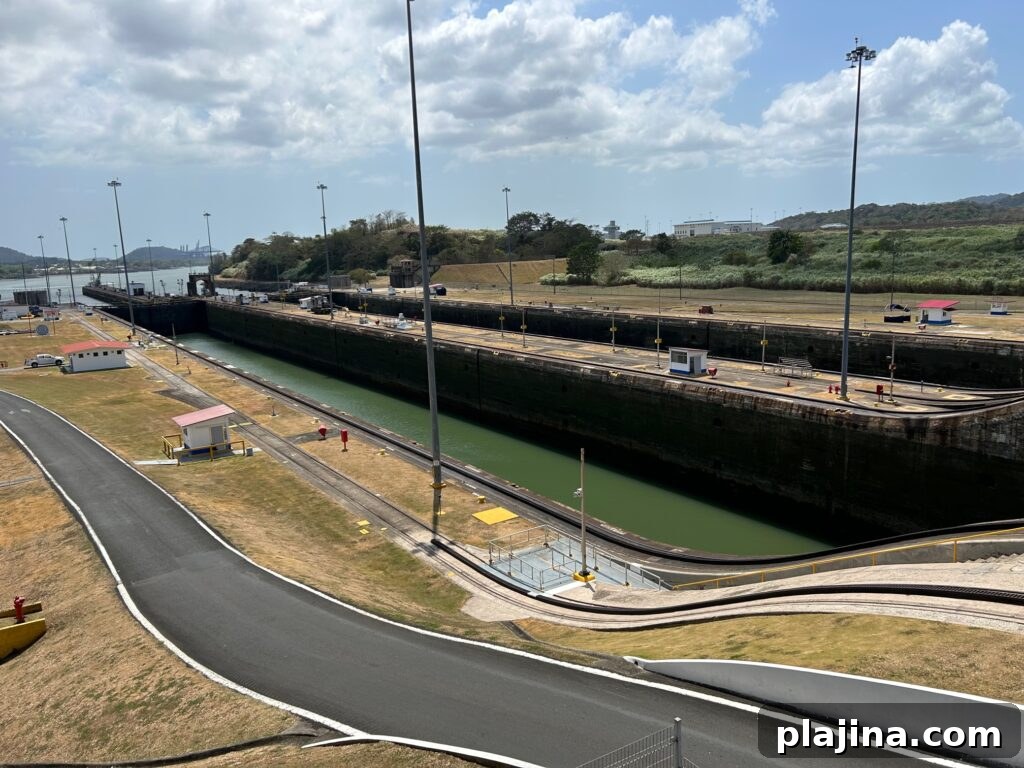
On Dec. 31, 1999, the United States officially transferred control of the Panama Canal to the Panamanian government, closing a chapter that began more than a century earlier. U.S. influence over the canal began to wane after the 1978 approval of the Torrijos-Carter Treaties, which set the stage for the eventual handover.
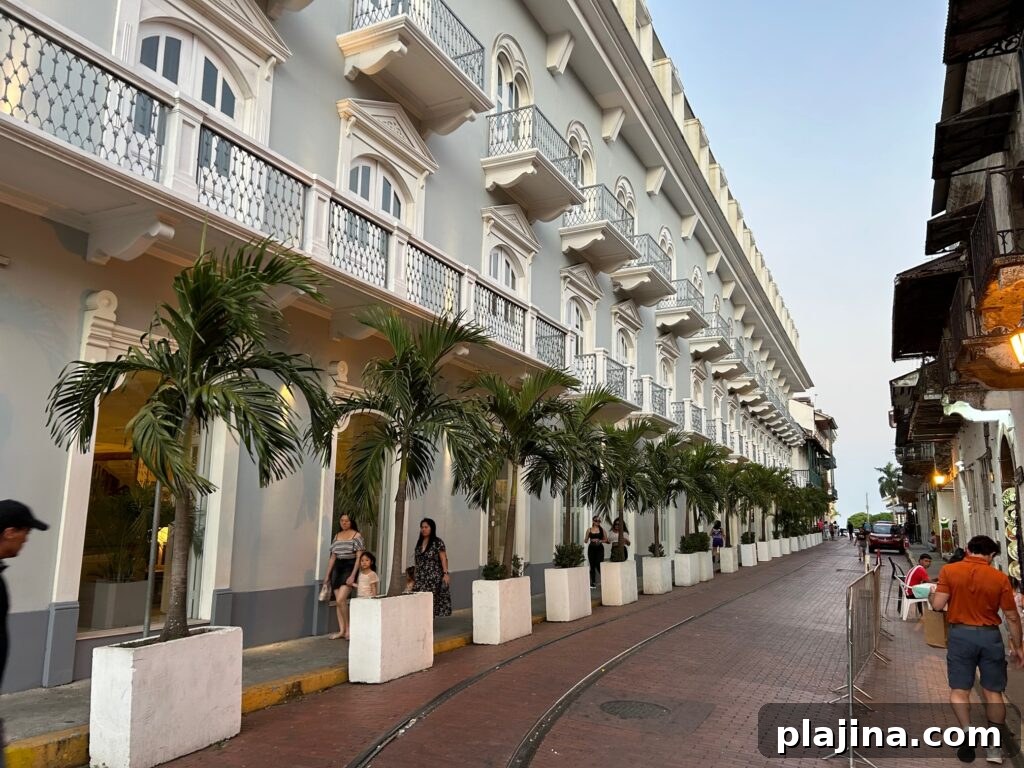
Starting in 2000, despite initial U.S. concerns about Panama’s ability to manage and protect this vital shipping route, Panama assumed full responsibility for canal operations. Revenue from tolls and related maritime activity fueled a period of rapid urban renewal in Panama City. For hotels that opened around the time of the transfer, the timing proved advantageous: international business travelers and real estate developers increasingly used the city as a hub for deal-making and planning new projects. Additionally, UNESCO’s 1997 designation of the Casco Viejo district as a World Heritage site accelerated revitalization projects in that historic neighborhood, which lies only minutes from the downtown Financial District. Casco Viejo, founded in 1519 by conquistador Pedrarias Dávila, is the oldest European settlement on the Pacific coast of the Americas.
© Joanna Tricorache
Bristol Hotel Panama City opened in 1997 as one of the city’s first modern business hotels. Initially modest—with 56 rooms, a small restaurant and a bar—the hotel benefitted from the surge in international visitors and corporate activity that followed canal transfer discussions and the revitalization of the downtown area.
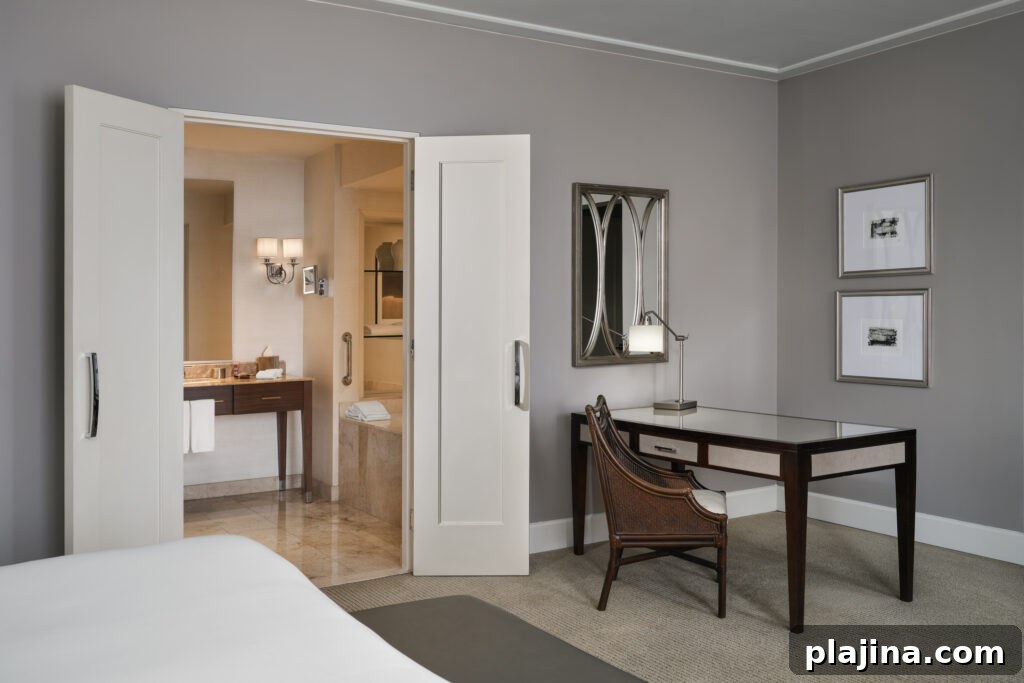
Over the years, Bristol Hotel expanded and modernized its facilities. The property now features 130 rooms, an enlarged lobby, and a curated collection of artwork by more than 100 Latin American artists. Upgraded amenities include Italian marble bathrooms, contemporary furnishings and complimentary daily rum tastings, which appeal to both business and leisure guests.
Panama City’s tourism sector has grown substantially since the canal handover. Numerous international hotel brands have established downtown properties, such as Waldorf Astoria, Le Méridien, InterContinental Miramar, JW Marriott, Hard Rock, Radisson Decapolis, and, most recently, Sofitel Legend Casco Viejo, which opened in early 2023.
© Joanna Tricorache
Today Panama City’s skyline resembles that of Miami, with numerous white residential and corporate towers lining the bay. Palm-lined boulevards, trendy restaurants and cafés offering Latin flavors and live music have transformed the urban scene. The city’s tropical climate can be humid, but the widespread use of the U.S. dollar alongside the Panamanian balboa, a shared time zone with Miami and convenient nonstop flights make Panama City an attractive destination for American tourists, business travelers, retirees and expatriates seeking a warmer, affordable lifestyle and favorable tax considerations.
Located in the heart of the Financial District, Bristol Hotel offers convenient access to major attractions such as Casco Viejo, the Panama Canal and the Biomuseo, along with nearby restaurants, cafés and beaches. The hotel provides 10,000 square feet of event space suitable for social gatherings and international conferences, a full-service spa and gym on the 25th floor with panoramic city views, an outdoor lap pool on the fifth-floor terrace, and modern Panamanian fusion cuisine at SalSiPuedes restaurant, named after one of the city’s historic 18th‑century food markets.
© Bristol Panama, A Registry Collection Hotels
Bristol Hotel Panama City is part of the Registry Collection Hotels and Wyndham’s global portfolio. Room rates start at approximately $189 and include breakfast. The hotel remains a popular choice for visitors seeking stylish accommodations, convenient downtown access and a blend of contemporary comforts with Panamanian character.