
Works of art signed by Constantin Brâncuşi, often regarded as Romania’s most famous artist, will be exhibited from Sept. 30 to Jan. 28, 2024 at the National Art Museum Timișoara under exceptional security measures. The sculptures and other works will be transported to Timișoara under guard, and the exhibition’s total cost is expected to exceed $2.1 million. Roughly half of that amount will support the museum hosting the show, and the remainder will cover exhibition logistics, transport, insurance and security. Timisoara was chosen as a 2023 European Capital of Culture, and this Brâncuşi presentation is one of the city’s major cultural highlights for the year.
Born in Romania in 1876, Constantin Brâncuşi (1876–1957) built his career in France as a sculptor, painter and photographer. Celebrated as a pioneer of modernism and as one of the 20th century’s most influential sculptors, Brâncuşi is widely considered the patriarch of modern sculpture.
© Simion Guirca
“Unfortunately, many Brâncuşi sculptures were never seen because when he was not satisfied with a work he often destroyed it,” said Doina Lemny, curator of the Brâncuşi exhibition. “He did not keep unfinished pieces in his studio; the works he preserved were those he believed truly represented him. The catalogue lists roughly 230–240 sculptures.” Some of Brâncuşi’s rarest pieces, including works in plaster, bronze and marble, are part of collections at institutions such as the Philadelphia Museum of Art, New York’s Museum of Modern Art and the Guggenheim.
Approximately 20–25 rare Brâncuşi sculptures will be loaned to Timișoara from institutions and private collections across England, Switzerland, France and other Romanian cities. Major loans are arriving from the National Museum of Modern Art/Centre Pompidou in Paris; Tate Modern in London; the Guggenheim Foundation in Venice; the National Museum of Modern Art in Bucharest; the National Art Museum in Craiova; and selected private collectors.
Specialist teams will handle packing, transport and installation of the fragile works. Preparations for the show began well in advance: local officials started upgrading climate control, automatic temperature management and museum security as early as late 2021 to meet the strict conservation requirements for loaned masterpieces.
The exhibition will present a wide range of Brâncuşi’s work, including sculptures and smaller pieces such as Ecrose, Capete de copii (Heads of Children); Prometheus; Muza adormită (Sleeping Muse); Mademoiselle Pogany; Piatră de hotar (Boundary Stone); and selections from the Sărutul (Kiss) series. Visitors will also see Rugăciune (Prayer), Măiastra, Pasăre în văzduh (Bird in Space), Coloana fără sfârşit III (Endless Column III), together with drawings, gouaches and photographs by Brâncuşi.
© Adrian Bodas
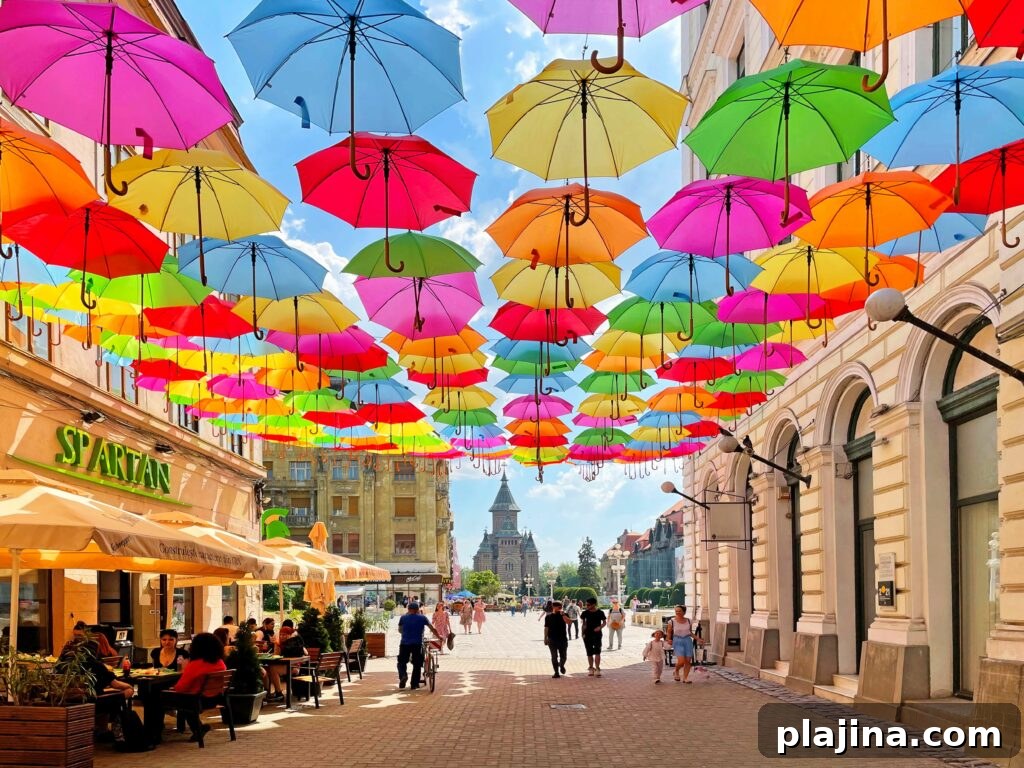
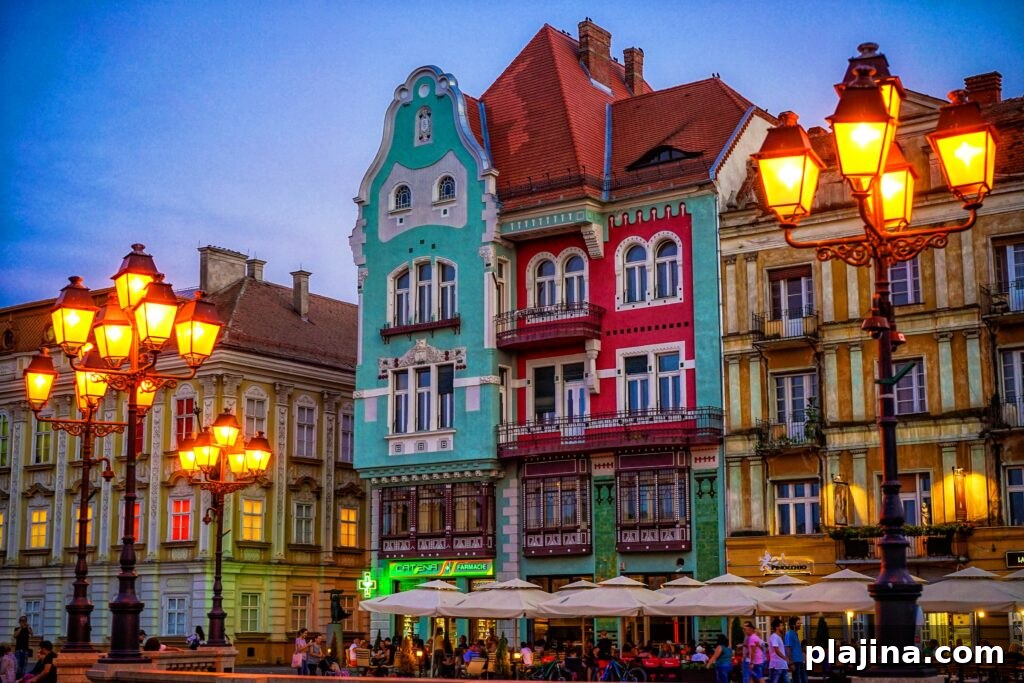
Nicknamed “Little Vienna” or the “City of Flowers,” Timișoara is prized for its historic architecture and abundant green spaces. The city has the largest number of historic buildings in Romania—around 14,500—and in 1884 Timișoara became the first city on the European mainland (and the second in the world, after New York City) to electrify public street lighting. Hosting this Brâncuşi exhibition adds a significant cultural attraction to the city’s year as European Capital of Culture.