
Barcelona abounds with architectural marvels. If your schedule is tight and you can only visit a handful, these five stand out as the city’s most remarkable achievements in design and construction.
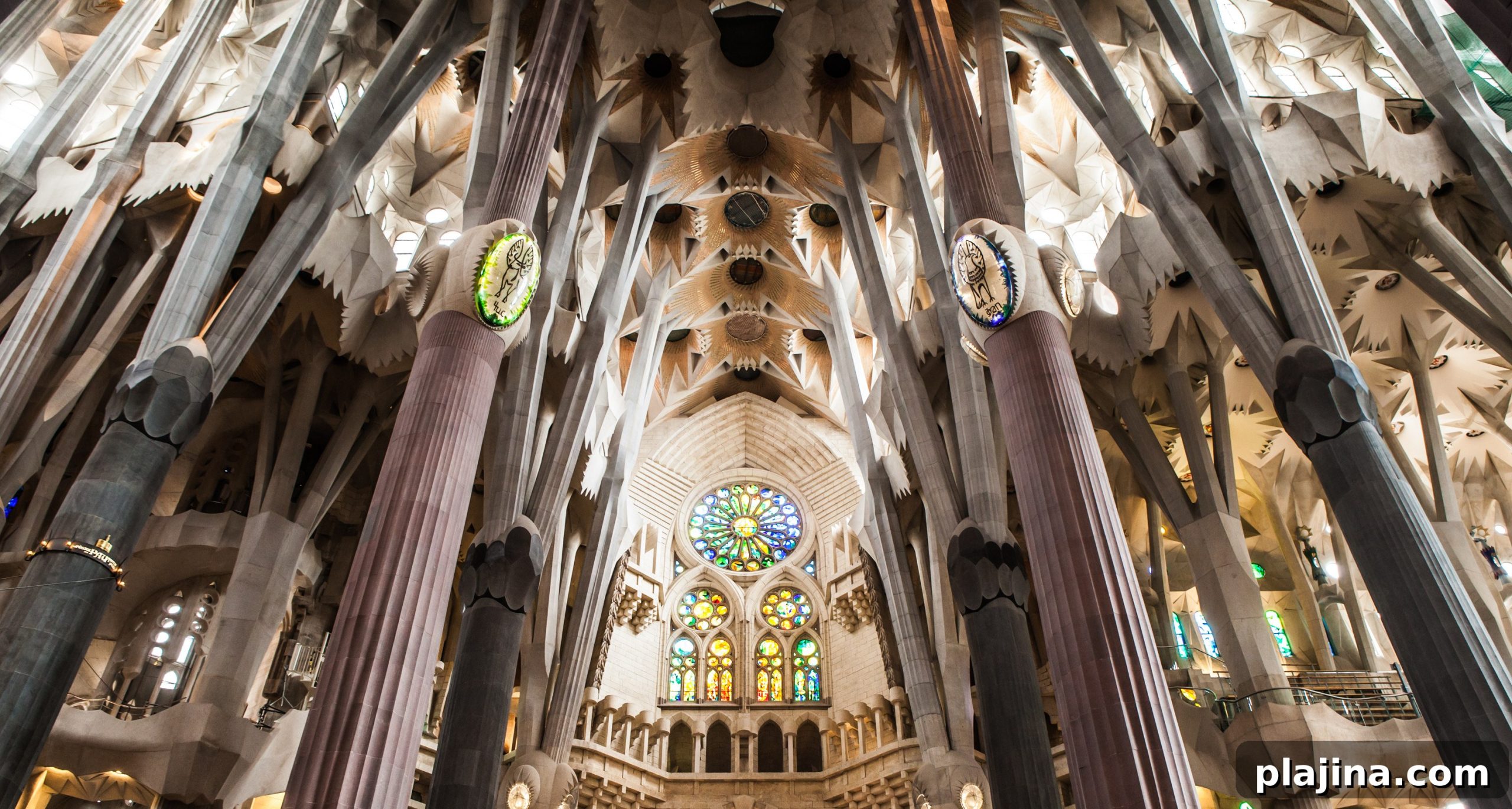
La Sagrada Família: Antoni Gaudí’s unfinished basilica is Barcelona’s most iconic landmark. Its soaring towers, ornate façades and richly symbolic interiors blend Gothic and Art Nouveau influences into a singular, expressive whole. Even decades after construction began, the basilica continues to captivate visitors with its intricate stonework, vibrant stained glass and bold structural innovations.
Park Güell: Also by Gaudí, this public park demonstrates the playful, organic side of Catalan modernism. Winding paths, mosaic-covered benches, whimsical sculptures and panoramic views over the city create a landscape where architecture and nature merge. Park Güell is both a peaceful retreat and a showcase of inventive, color-rich design.
Casa Batlló and Casa Milà (La Pedrera): These two neighboring Gaudí masterpieces on Passeig de Gràcia illustrate his talent for transforming residential architecture into works of art. Casa Batlló’s undulating façade and imaginative windows contrast with Casa Milà’s sculptural stone exterior and rooftop chimneys. Both buildings display exceptional craftsmanship and an unconventional approach to form, light and ventilation.
Palau de la Música Catalana: A jewel of Catalan modernisme, this concert hall by Lluís Domènech i Montaner is renowned for its lavish ornamentation. Every surface overflows with decorative detail—colorful mosaics, floral motifs and a breathtaking stained-glass skylight—creating an interior that is as visually stunning as it is acoustically refined.
Hospital de Sant Pau: Another Domènech i Montaner creation, this sprawling former hospital complex combines functionality with elaborate Art Nouveau architecture. Its series of pavilions, set in landscaped gardens and connected by underground tunnels, showcase decorative tilework, sculptures and richly textured brickwork. The restoration of the site has preserved its architectural importance while adapting it for cultural and public use.
Barcelona’s architectural legacy extends beyond these highlights. The city is a living museum of styles—from medieval Gothic streets in the Barri Gòtic to contemporary landmarks like the Torre Glòries and the Museu Blau—offering a continuous dialogue between history and innovation. For anyone interested in architecture, even a brief visit can reveal the depth and creativity that make Barcelona globally celebrated.