
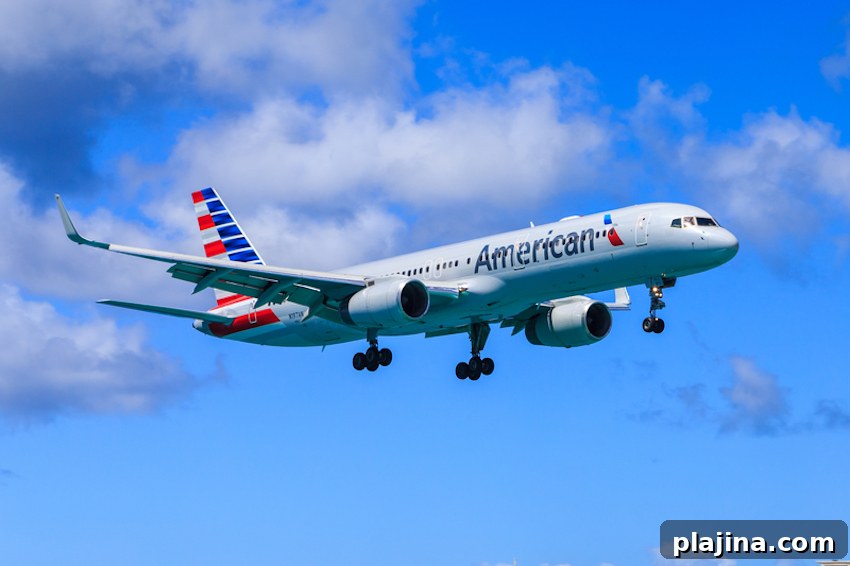
As the global movement away from single-use plastics gains momentum, American Airlines is among the latest carriers to adopt eco-friendly alternatives. The airline has announced it will replace plastic drinking straws with biodegradable straw-based options and swap plastic drink stirrers for bamboo versions. The change will take effect on all flights beginning in November.
In addition to onboard adjustments, American Airlines plans to phase out plastic flatware in its airport lounges over the coming months, moving to more sustainable utensils. The carrier estimates these measures will eliminate roughly 71,000 pounds of plastic waste annually.
Other airlines are beginning to follow suit: Alaska Airlines has announced plans to phase out plastic straws as well, while many carriers have yet to make similar commitments.
These initiatives are part of a wider effort by companies across industries to reduce plastic pollution in landfills and oceans. Several major food and hospitality brands have made comparable pledges. For example, Starbucks has committed to ending the use of polystyrene foam cups by 2020, and Hyatt Hotels announced it would stop using plastic straws by September.
Switching to biodegradable straws and bamboo stirrers is a relatively small operational change that can yield sizeable environmental benefits when adopted at scale. By removing single-use plastic items from flights and lounges, airlines can reduce their contribution to plastic waste and support broader sustainability goals.
Passengers may notice the new materials on board and in lounges, where durable, compostable, or recyclable alternatives are increasingly becoming the norm. While the initial focus is often on straws and stirrers, many companies are evaluating broader supply-chain changes to further cut plastic use—ranging from packaging and foodservice items to amenity kits.
As more travel and hospitality companies announce similar policies, the cumulative effect could significantly reduce the volume of plastic entering waste streams worldwide. For travelers, these changes signal a gradual shift toward greener travel experiences and encourage greater awareness about single-use plastics and the environmental impact of everyday items.