
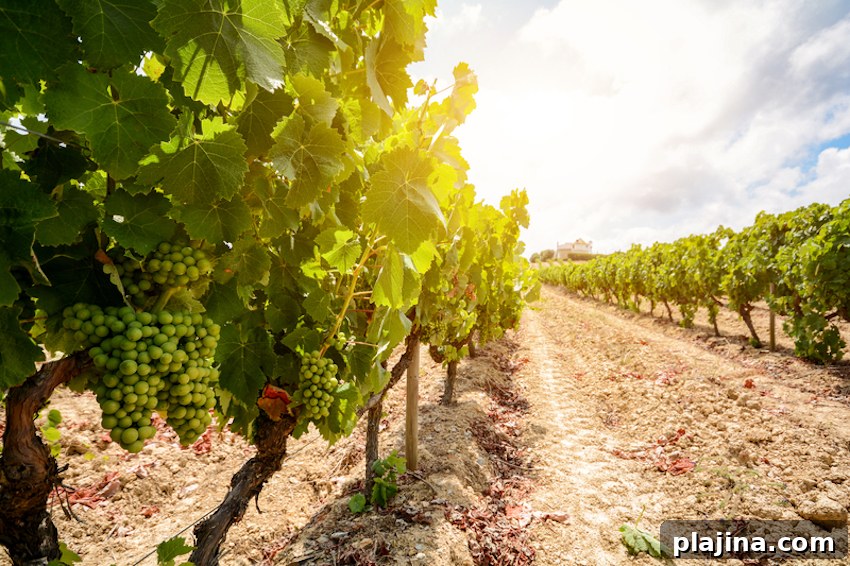
While Portugal’s northern Douro region rightly earns acclaim for its wines, the quieter Alentejo region, southwest of Lisbon, merits a longer look. Just over an hour’s drive from the capital, Alentejo welcomes visitors with rolling landscapes dotted with cork oaks and olive groves, soils of granite, limestone and schist, and abundant sunshine ideal for viticulture.
Alentejo supports eight official appellations—Portalegre, Borba, Redondo, Reguengos, Vidigueira, Évora, Granja/Amareleja and Moura—and more than 500 grape varieties are cultivated across the region. Among the prominent white varieties are Roupeira, Rabo de Ovelha and Antão Vaz, while the region’s robust red wines are often built on Periquita, Trincadeira and Aragonez.
To explore the region fully, rent a car and follow the official Alentejo Wine Route through scenic countryside and historic towns. A natural starting point is Évora’s Tasting Room, but be sure to first visit the ancient Cartuxa cellar in Évora, an old Jesuit property where a wine press has been in operation since 1776. Also in Évora, the Cortiçadas Estate continues traditional production methods using classic presses and ageing wines in wooden barrels.
Along the wine route you’ll encounter a series of notable towns and estates. In Estremoz, the Carvalhas Estate offers a sense of local terroir. Borba is home to the Adega Cooperativa de Borba and nearby Monte da Terrugem, produced at the Caves Aliança Agrícola, S.A. Redondo features the Adega Cooperativa de Redondo and the Roquevale estate, known for its Tinto da Talha wines. Reguengos de Monsaraz hosts the Esporão Estate, a prominent producer in the area.
Further highlights include the Santa Marta Estate and the Sociedade Agrícola Herdade dos Coelheiros in Arraiolos, both reflecting the region’s agricultural traditions, and in Montemor-o-Novo you can find Couteiro Mor wines crafted by the Sociedade Agrícola Gabriel Francisco Dias e Irmãs. Each stop on the route illustrates a different facet of Alentejo’s winemaking heritage, from cooperative cellars and family estates to historic properties that remain active today.
Traveling the Alentejo Wine Route provides more than tasting opportunities: it offers a chance to experience a landscape shaped by centuries of agriculture, a variety of grape varieties adapted to local microclimates, and winemakers balancing tradition with modern techniques. Whether you focus on white varietals like Antão Vaz or seek out the region’s deep, age-worthy reds, Alentejo rewards visitors with authenticity, generous hospitality and wines that reflect the sun-drenched character of southern Portugal.