
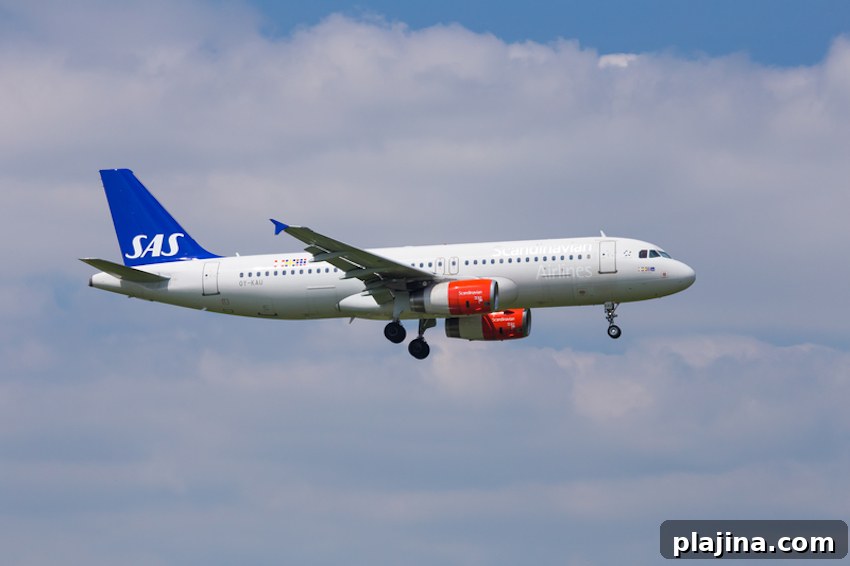
Airbus and SAS Scandinavian Airlines have joined forces to study hybrid and electric aircraft ecosystems and the supporting infrastructure required for their operation.
The collaboration will examine how ground infrastructure and charging systems affect aircraft range, turnaround times, resource allocation and operational availability. As part of the project, the partners will include a renewable energy supplier to ensure that scenarios assessed reflect truly zero CO2 operations where feasible.
“We will consider the entire aircraft operations ecosystem to better support the aviation industry’s transition to sustainable energy,” Airbus said in a statement about the initiative.
The agreement begins this month and runs through the end of 2020, during which the partners will gather data, model charging and supply scenarios, and explore practical implications for airports and fleets.
Globally, development of electric and hybrid propulsion for aviation is accelerating: more than 170 companies are working on a range of technologies. Established manufacturers such as Boeing and Airbus are active in the field, while smaller firms including Wright Electric are pursuing ambitious commercial all-electric concepts, with Wright Electric partnering with EasyJet on one such program.
The global aviation sector has committed to carbon-neutral growth from 2020 onward and set a long-term goal to reduce net aviation emissions by 50 percent by 2050 compared with 2005 levels. Collaboration between airlines, manufacturers and energy providers on infrastructure and operations will be essential to meet those targets while enabling safe, reliable air travel powered by low- or zero-carbon energy sources.