
PHOTO: © IONUT DAVID | DREAMSTIME.COM
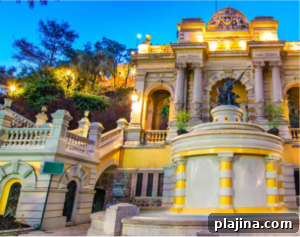
Santa Lucia Hill may be modest in size, but its historical importance to Santiago is immense. Formed by an ancient volcano, the hill was the site Pedro de Valdivia selected in 1541 to declare Chile a Spanish colony. During the war for independence in the early 1800s, the hill served as a strategic fortress for Spanish forces. Today, the site is a verdant public park where ornate staircases, mature trees, sculptures, fountains and viewpoints create a peaceful urban retreat.
Beyond the historic core, Santiago has grown into a modern metropolis. Skyscrapers reach toward the Andes, including some of the tallest buildings in Latin America. The city blends colonial-era churches and broad plazas with contemporary neighborhoods, restaurants and cultural venues.
Chile’s economy benefits from diverse exports—minerals, timber, fruit, seafood and wine—and ranks among the most competitive in Latin America. The country enjoys one of the highest GDPs on the continent and is a longstanding partner of the United States. Chile promotes the rule of law, education, environmental protection, human rights and sustainable development, and it continues to attract international business and investment.
Urban and transport planning have kept pace with growth. Santiago’s Arturo Merino Benítez International Airport recently completed a multi-year expansion to increase capacity and modernize facilities. Nationally, the government launched a sizable rail improvement plan—Chile on Rails—intended to upgrade passenger and freight service and better integrate trains with other transport modes, including the Santiago Metro. Additional road projects aim to improve traffic flow for both freight trucks and private vehicles across the capital region.
CHECKING IN WITH JUAN JOSÉ ORTEGA PÉREZ
Manager, Chile National Tourism Service
Santiago presents a fascinating blend of old and new. What are some of your favorite places to send visitors to help them see both sides of the city?
Las Condes, in the eastern sector, is a top neighborhood for gastronomy, parks and new real estate developments. In the historic center I recommend Palacio de La Moneda, the presidential palace, where you can watch the changing of the guard at 11 a.m. on odd days and weekends. The palace faces the Plaza de Armas, the city’s founding square, and nearby is the Chilean Museum of Pre-Columbian Art, home to the region’s largest collection of pre-Hispanic art.
Cerro Santa Lucia is a must-see in the historic district, offering panoramic views of Santiago. For expansive green space, Cerro San Cristóbal Metropolitan Park ranks among the world’s largest urban parks; visitors can hike, ride a funicular or take the cable car to enjoy sweeping city vistas.
© VIC36 | DREAMSTIME.COM
What would surprise first-time visitors to Santiago?
Many travelers are surprised by the variety of recreational options close to the city. Within two hours you can reach the Southern Hemisphere’s largest ski area, with excellent facilities for winter sports. The region around Santiago also hosts more than 35 vineyards where visitors can enjoy tastings, meals and bicycle tours among the vines.
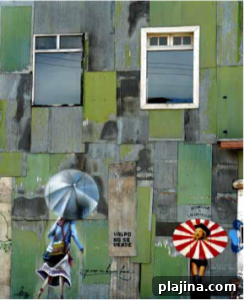
El Cajón del Maipo offers dramatic mountain scenery and outdoor activities such as rafting, hiking, climbing and horseback riding. In under two hours you can also reach Valparaíso, whose colorful, graffiti-filled streets and steep hillsides were recognized as a UNESCO World Heritage site.
What Chilean dishes should visitors try when in Santiago?
Local specialties to sample include caldillo de congrio, a flavorful conger eel soup; curanto, a traditional meal cooked in an earth oven; and machas a la parmesana, baked razor clams topped with Parmesan cheese.
How is Santiago changing?
Santiago has evolved rapidly in recent years due to economic growth and an open trade policy. New real estate projects, contemporary architecture and rising skyscrapers reflect the capital’s modernization. Immigration has added talent and cultural diversity, contributing fresh businesses, services, cuisines and ideas that help shape a cosmopolitan urban landscape.
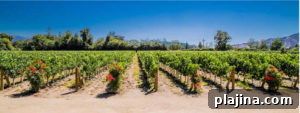
PHOTO: © ALEKSANDAR TODOROVIC | DREAMSTIME.COM
DIVERSIONS
Santiago is easy to enjoy outside of business hours. The Plaza de Armas anchors the historic district and is surrounded by elegant 19th-century buildings. Wander the shop-lined streets of Barrio Lastarria, then ride the funicular and aerial tramway that cross the city’s expansive Metropolitan Park for panoramic views. The tramway descends near Bellavista, a lively neighborhood known for street art, galleries and outdoor cafés.
For upscale shopping and dining, explore Las Condes and Vitacura, where designer boutiques and refined restaurants abound. For artisan crafts, Centro Los Dominicos is an open-air market with more than 200 stalls offering wool and alpaca textiles, local foods, jewelry and art. Nearby Valparaíso showcases striking public murals and colorful neighborhoods crafted by street artists. Wine enthusiasts can visit historic vineyards in the Maipo Valley, such as Undurraga Winery, which offers tastings in a scenic hacienda setting.
LODGING
The Aubrey
Housed in two 1920s mansions in Bellavista, this 15-room boutique hotel welcomes guests with a pisco sour and serves breakfast in a leafy courtyard.
Constitución 317, Bellavista
$$$
Mandarin Oriental, Santiago
Set in a park-like location with refined city views and an acclaimed Asian-fusion restaurant, this Las Condes high-rise appeals to both business and leisure travelers.
Presidente Kennedy Ave. 4601, Las Condes
$$$
The Ritz-Carlton, Santiago
Located in upscale Las Condes, the hotel features a wood-paneled lobby bar and a rooftop pool enclosed by a glass cupola.
El Alcalde 15, Las Condes
$$$
DINING
Boragó
Renowned for its focus on native ingredients and innovative presentations, Boragó is widely considered Santiago’s premier dining experience, celebrating Chile’s biodiversity.
Av. San José María Éscriva de Balaguer 5970
$$$$
Mestizo
Known for fresh ceviche, grilled octopus and creamy risottos, Mestizo also offers a beautiful lakeside setting on the edge of Bicentennial Park.
Bicentenario 4050
$$
Restaurante 040
A tasting-menu restaurant where each multi-course meal is carefully staged and paired with wines or miniature cocktails.
Calle Antonia López de Bello 40
$$$$$
JUST THE FACTS
Time zone: GMT -3 in summer (Southern Hemisphere); GMT -4 in winter
Phone code: Country code: 56
City code: 2
Currency: Chilean peso
Key industries: Agriculture, mining, construction, health care, telecommunications equipment
COMING AND GOING
U.S. citizens require a valid passport; no visa is needed for tourist visits. Travelers receive a tourist card upon arrival that must be surrendered on departure. If the card is lost or stolen it must be replaced before leaving, which can be time-consuming.
OFFICIAL LANGUAGE
Spanish