
Known officially as “Florida’s Cultural Capital,” Palm Beach County boasts numerous museums, art galleries, musical events, a diverse population, and a longstanding connection to Japan. While many visitors are drawn to the county’s 47 miles of Atlantic shoreline or its 160 golf courses, Palm Beach County also offers a rich array of cultural destinations shaped by Japanese settlers who arrived in South Florida in the early 20th century.
© Boca Raton Historical Society
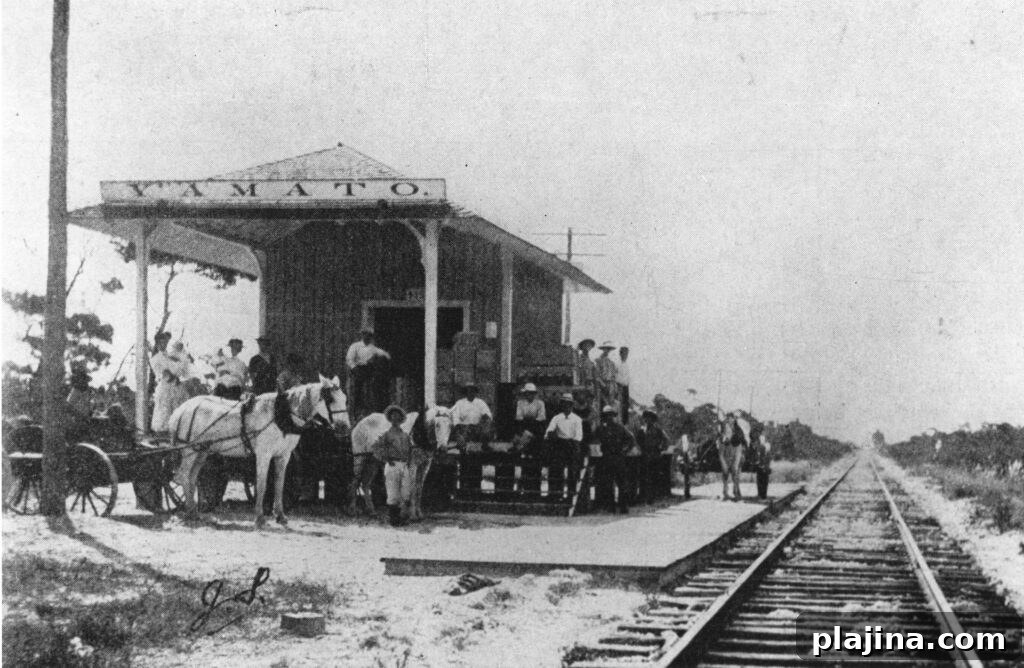
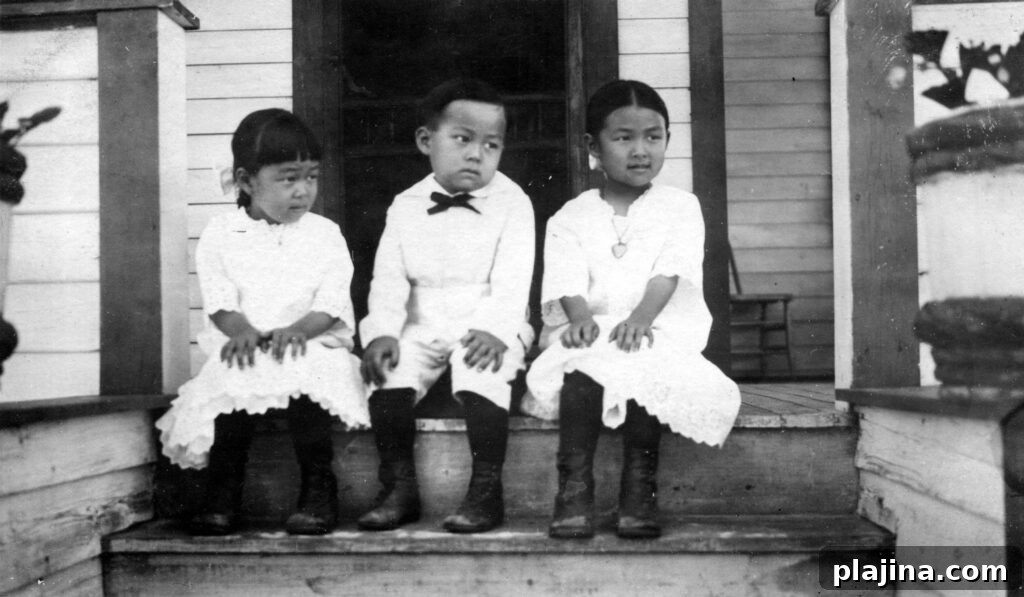
The link between Japan and The Palm Beaches began with the founding of the Yamato Colony in 1904, in what is now northeast Boca Raton. Led by Jo Sakai, a small group of roughly 15 young Japanese farmers cultivated vegetables and fruit on a 40-acre tract. Their success helped establish a lasting Japanese presence as South Florida’s population grew with newcomers from the Northeast.
© Boca Raton Historical Society
Among the early settlers, Sukeji “George” Morikami later donated land to Palm Beach County in the 1970s that became the Morikami Museum and Japanese Gardens in Delray Beach — the only U.S. museum solely dedicated to Japanese culture. Morikami’s collection includes more than 7,000 Japanese art objects and artifacts, two museum buildings, 16 acres of meticulously designed Japanese gardens, an acclaimed bonsai collection, and lakes home to koi and native wildlife. The site also features the outdoor Cornell Café, serving Japanese bento and pan-Asian dishes.
One notable exhibition at Morikami, Maeda Asagi’s “Stories on the Planet,” presents 50 unique jewelry pieces engraved and painted with intimate narratives about family and society. The show offers a contemporary perspective on traditional craftsmanship and remains on display through April 2.

© Courtesy of Morikami Museum and Japanese Gardens
Japanese cultural influence extends across the county through museums, gardens, and public art. In West Palm Beach, Mounts Botanical Garden—the county’s oldest and largest botanical garden—features over 7,000 species of tropical and subtropical plants. Its seasonal exhibition “Origami in the Garden,” open through May 12, presents large-scale metal origami sculptures across the 20-acre landscape. The installation highlights works by Jennifer and Kevin Box and includes collaborations with acclaimed origami artists such as Robert J. Lang, Te Jui Fu, Beth Johnson, and Michael G. LaFosse.
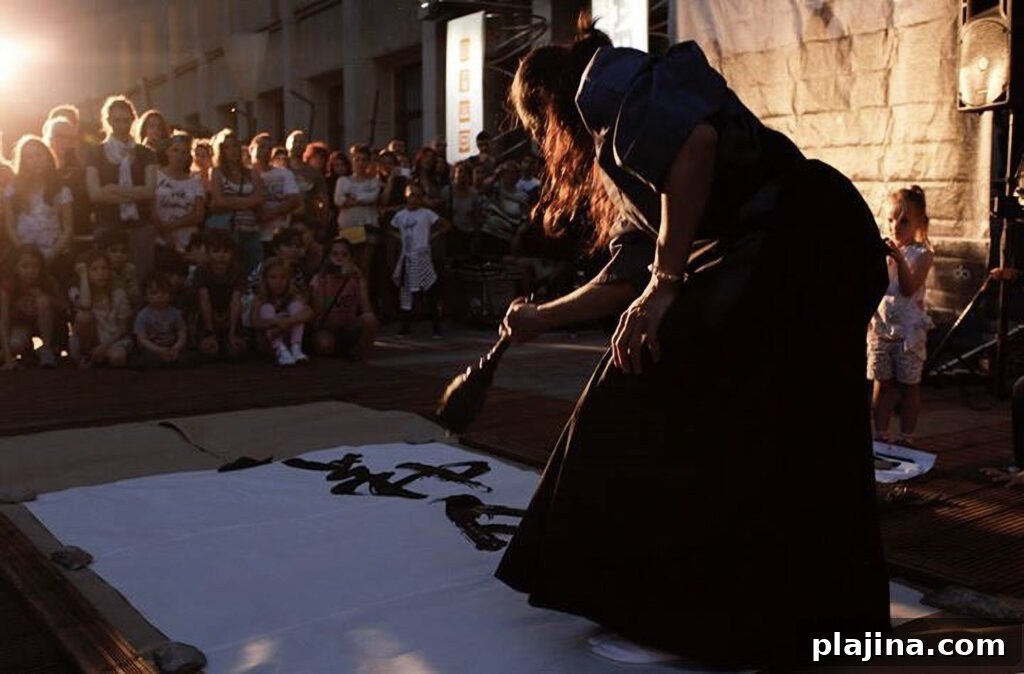
Mounts also offers hands-on cultural programs, including a Shibori Indigo Workshop where visitors learn traditional Japanese resist-dyeing techniques used to create intricate fabric patterns. Participants practice several shibori methods and produce their own indigo-dyed piece, gaining insight into a time-honored textile art.
© Courtesy of Morikami Museum and Japanese Gardens
The Schmidt Boca Raton History Museum, operated by the Boca Raton Historical Society and housed in the city’s 1926 former Town Hall, preserves the story of the Yamato Colony. Its Pioneer Room offers a permanent exhibit that details how a small group of Japanese settlers founded Yamato Colony in 1904 and helped shape Japanese cultural life in Palm Beach County—a legacy that continues to thrive beneath the county’s sunlit palm trees.