
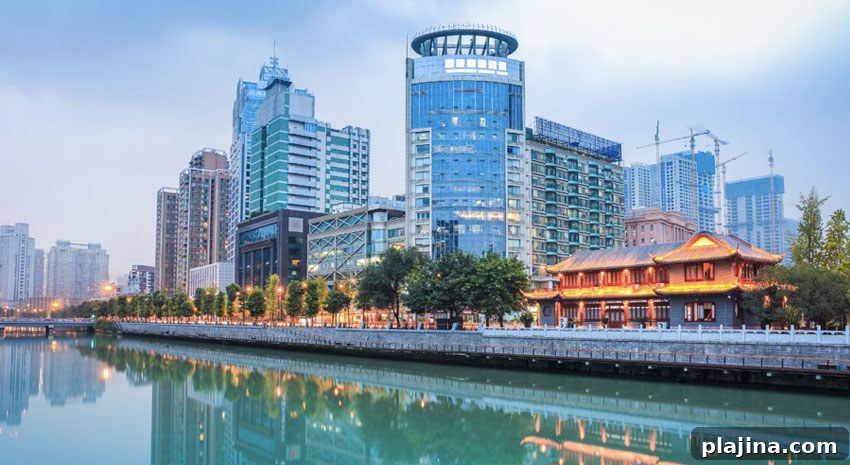
CHENGDU, the capital of China’s Sichuan province, is enjoying a period of rapid growth and international attention. The city is expanding as both a business and leisure destination; a second international airport is under construction and, when completed, is expected to rank among China’s largest airports.
Chengdu’s rise reflects a combination of strategic investment and improving connectivity. International manufacturers and technology companies have established regional operations here—Toyota and Microsoft among them—alongside global food and pharmaceutical firms. The city has also become an attractive hub for startups, particularly in software design and digital applications.
Transport improvements have helped fuel this growth. Even before the new airport, Chengdu was the largest international hub in China’s Central and Western regions and one of the nation’s busiest gateways. A growing number of airlines now serve the city, and high-speed rail links such as the connection to Xi’an, in place since late 2017, have shortened travel times across the country.
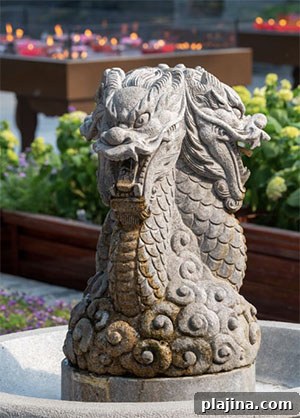
Daci Temple dragon fountain © PLEJ92 – DREAMSTIME.COM
Beyond statistics, visitors frequently notice Chengdu’s relaxed, approachable atmosphere. Ancient temples and winding lanes coexist with modern shopping districts and international designer stores. Young locals in contemporary fashion, outdoor cafés and a generally easygoing pace create a welcoming environment that many describe as more relaxed than China’s largest coastal cities.
The city offers a mix of international amenities and authentic local culture. Areas such as Sino-Ocean Taikoo Li showcase high-end global brands alongside historic sites like Daci Temple. At the same time, neighborhoods and markets retain traditional crafts, regional foods and community life.
Tourism has grown rapidly in recent years and now plays a significant role in Chengdu’s economy. Government figures show inbound visitor income rising notably, with diverse visitor profiles that include business travelers, weekend and holiday tourists, families and conference attendees.
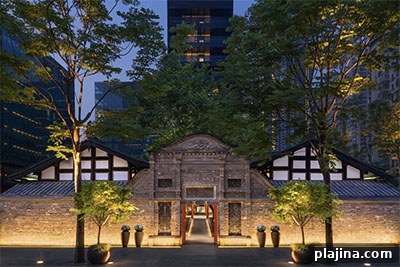
The Temple House exterior © THE TEMPLE HOUSE
To meet rising demand, luxury hotel brands have expanded their footprint in the city. Recent openings and properties include Fairmont Chengdu, The Temple House, The Ritz-Carlton Chengdu and The St. Regis Chengdu. Additional five-star hotels are planned or under development, which will add thousands of rooms to the market over the coming years.
Another significant addition is the New Exhibition Center in Xinglong Town, which serves as a permanent venue for trade fairs and exhibitions in the region.
CHECKING IN WITH KURT MACHER
General Manager, The Temple House
What is Chengdu like culturally in terms of openness and welcoming all types of visitors?
Chengdu is widely regarded as friendly and open-minded. The local atmosphere is relaxed and casual; many residents are welcoming to foreigners. The city also hosts a visible LGBTQ+ community and a lively millennial culture that often feels ahead of other Chinese urban centers.
How about the WiFi situation? Is that a problem?
Access to sites like Facebook, Google, WhatsApp and Instagram is restricted on local internet and requires a VPN. Reliable WiFi is available at many hotels, including The Temple House, and in private residences.
If you were to arrange a business meeting with someone local, would you hold it during a meal?
Business meetings commonly take place over lunch, tea at a teahouse or dinner—hot pot is a frequent choice. Power breakfasts are uncommon in local practice.
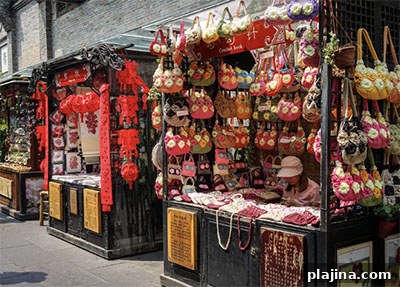
Jinli Street souvenir shops © PHUONGPHOTO – DREAMSTIME.COM
What is your favorite off-property leisure activity?
Favorites include browsing Taikoo Li for new stores, visiting the serene Daci Temple, walking to local parks with a pet, enjoying tea in the community and exploring Jinli Street for street food and souvenirs. Nearby cultural sites such as the Temple of Marquis Wu are popular additions to these outings.
What about for families?
A recommended family excursion is Qingcheng Mountain, about 1.5 hours from the city center. Known as a birthplace of Taoism, the area offers temples, scenic views, a cable car and family-friendly hiking options. Teahouses at temples provide rest stops and local flavor.
Things to Do in Chengdu
Chengdu residents value leisure, and visitors can easily participate in local pastimes. Wide and Narrow Alley offers a stroll through the city’s history: a pair of lanes lined with shops, eateries and artisans selling traditional crafts and snacks. The alleys combine restored and recreated traditional architecture with modern businesses.
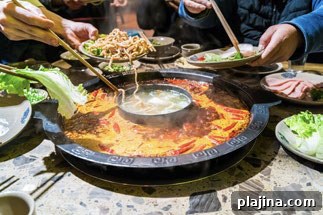
Chengdu traditional hot pot dinner © CHUYU – DREAMSTIME.COM
Food is central to the Chengdu experience. Cooking classes, such as those offered by local culinary operators, teach iconic dishes like mapo tofu. Hot pot is a signature communal meal: diners cook meats, vegetables and tofu in a shared simmering pot. Some restaurants offer milder broths, but Sichuan cuisine is known for bold, spicy flavors—be prepared if you’re sensitive to chili heat.
Practical note: many local restaurants and attractions do not maintain English-language websites, so concierge services or local recommendations are valuable when planning meals or outings.
One indispensable attraction is the Chengdu Research Base of Giant Panda Breeding, located about thirty minutes from the city center. The 250-acre facility is both a conservation center and botanical garden and remains a major draw for international visitors.
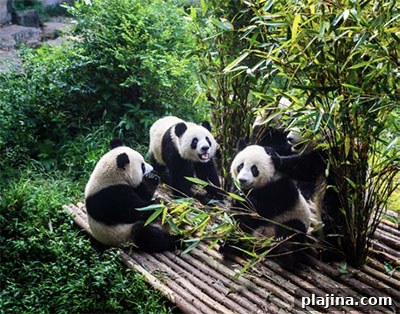
Chengdu pandas eating bamboo © DEYAN DENCHEV -DREAMSTIME.COM
The base is home to more than 100 giant pandas, from roly-poly cubs to hefty adults. Morning visits are best for seeing active animals before they rest. Entrance fees support conservation work, and souvenir shops at the site offer a wide selection of panda-themed items. Many hotels provide transport packages for visits to the base.
Chengdu also boasts a vibrant nightlife and a thriving contemporary music scene, with live hip hop and rap performances near Sichuan University and a range of LGBTQ+ venues in districts such as Dongmen Daqiao.
Chengdu Info to Go
Chengdu Shuangliu International Airport is about 10 miles southwest of the city center. Taxi fares to downtown typically run around $12 and travel time is roughly 15–30 minutes, depending on traffic. Public transit options include the No. 10 metro line connecting both airport terminals to the city, plus shuttle buses serving train stations, the convention center, consular areas and major hotels.
Chengdu: Just the Facts
Time zone: GMT +8
Phone code: Country code: 86 City code: 28
Currency: Yuan renminbi (CNY or RMB)
Key industries: Manufacturing, automotive, IT, aviation, finance, insurance and pharmaceuticals
COMING AND GOING
U.S. citizens need a valid passport and visa. Tourist (L) or business (F) visas are issued by Chinese consulates and typically require supporting documentation such as invitation letters. Passport validity should extend at least six months beyond travel dates and include at least two blank pages. Many travelers use visa agencies to simplify the application process.
OFFICIAL LANGUAGE
Mandarin is the official language, though the local Sichuan dialect remains widely spoken.
Where to Stay in Chengdu
KEMPINSKI HOTEL CHENGDU
Located near the U.S. Consulate and Jincheng Palace of Fine Arts, the hotel blends European and Asian influences. Amenities include an indoor pool and business facilities. 42 Ren Min South Road $$$
SHANGRI-LA HOTEL, CHENGDU
Offers city and river views, club floor access, an indoor pool, spa and multiple dining options. 9 Binjiang Dong Road $$$
THE TEMPLE HOUSE
A 100-room property that combines the feel of a Qing temple with contemporary design. Features include a bar and a spa to help recover from jet lag. 81 Bitieshu St., Jinjiang District $$$$
Restaurants in Chengdu
LI XUAN
Fine dining with Cantonese and Sichuan specialties, seasonal menus and vegetarian options. The Ritz-Carlton, Chengdu; 269 Shuncheng Ave., Qingyang District $$$$
MA WANG ZI
A popular local spot outside the hot pot scene—expect a wait and no reservations. Known for crispy duck and grilled shrimp; BYOB is common. 1 E. Kangshi St., Dacisi $$
SOCIAL
Casual buffet dining at The St. Regis, offering regional and international options, indoor and terrace seating. The St. Regis Chengdu, 88 Taisheng Road S., Qingyang District $$$