
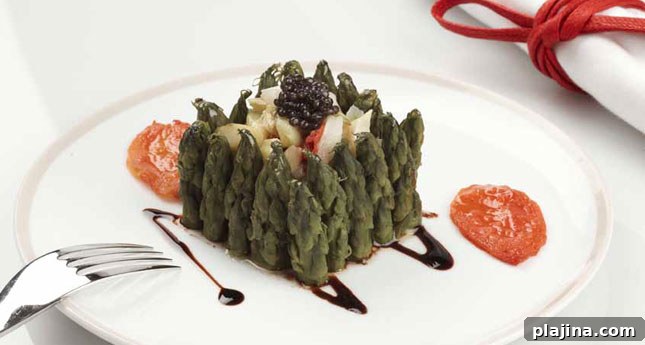
High in the sky, airlines increasingly compete for the loyalty of premium passengers by offering more than punctuality and safety. A growing strategy is to deliver memorable culinary experiences—meals crafted by talented chefs and paired with carefully chosen wines—that reflect a strong sense of place. While it’s unlikely anyone thinks lobster belongs at 30,000 feet, successful menus consider the airline’s nationality, seasonality, passenger demographics and the flight’s destination.
Food aboard a flight is often perceived as a reward. A standout in-flight meal can become a tangible benefit that reinforces a passenger’s choice of carrier. When paired with a ritual—such as British Airways and Virgin Atlantic’s afternoon tea or Japan Airlines’ refined meal presentation—dining can leave customers with a lasting sense of special treatment.
“Exceptional culinary experiences matter to premium passengers,” says Sarah Klatt-Walsh, director of in-flight products and services at Swiss International Air Lines. “Although few customers will openly admit they choose an airline solely for its food, the dining experience contributes greatly to overall satisfaction. Our goal is to share Switzerland’s culinary diversity with our customers and the world.”
To achieve that, SWISS offers concepts like SWISS Taste of Switzerland on intercontinental routes, featuring regional menus created by top chefs from various cantons, accompanied by local specialties. On European routes, SWISS Traditions highlights classic Swiss dishes and cultural celebrations.
Designing airline menus is challenging. Choices must appeal to diverse palates and dietary needs while performing well in a cabin environment that can dull taste perception by as much as 30 percent.
“Chefs must create dishes that retain their full flavor,” notes sommelier Bongi Tshazi-Sodladla, manager of food and beverages for South African Airways. He works with SAA’s chefs to ensure both food and wine maintain their quality in pressurized cabins. “I look for wines that tell a story—wines that will still shine at 30,000 feet.”
Rather than rely on celebrity names who may not understand altitude effects, Virgin Atlantic’s head of in-flight services Simon Soni collaborates with industry experts to curate thoughtful dining experiences, sourcing local products that complement routes and gateways.
“Our focus is great-quality, accessible food done exceptionally well—not overly complicated dishes better suited to a ground restaurant,” Soni explains. He points to a longtime collaboration with the U.K. wine merchant Berry Bros. & Rudd to select wines that are both approachable and sometimes lesser known, such as the Greek Okto Red featured in Upper Class. Virgin also partners with smaller suppliers—like The Indulgence Cupcake Co.—to offer unique items made with fine ingredients and free-range eggs.
Global food trends also inspire airline chefs seeking that elusive je ne sais quoi that keeps passengers returning. At United, Jane Bernier-Tran, managing director of food and beverage planning and design, explains that United’s Congress of Chefs develops in-flight dining experiences that reflect current restaurant trends. New premium entrées undergo tasting sessions with customers; the highest-scoring dishes make it onto menus. Continuous feedback from customers and crew guides recipe tweaks or removal of unpopular items.
Some carriers push fine dining to new extremes. Iberia challenged four of Spain’s leading chefs—Toño Pérez, Dani García, Ramón Freixa and Paco Roncero—to reinvent the airline’s premium dining. Each chef represents a different Spanish region, and their menus, presentation and service aim to convey regional culinary identity and elevate the onboard experience.
“The composition of the dishes, the tableware and, above all, the service,” says Chef Roncero, “are almost as important—or even more important—than the quality of the food itself. Ritual elevates eating from a necessity into a unique, unforgettable hedonistic experience.”
National culinary identity is central to many airlines’ strategies. Air France’s food and beverage team seeks to convey French dining values and pleasures while honoring the country’s celebrated cuisine. Thierry Beragne, in-flight product director, recognizes the high expectations of customers who fly Air France, especially in premium cabins.
“In-flight catering and service are integral to the pleasure of travel and contribute to a moment of relaxation—a moment when time stops,” Beragne says. “Traveling on Air France should be a unique, sumptuous and delicious experience, with wine selections curated by renowned sommelier Olivier Poussier. In La Première, we aim for an exclusive, à la carte experience that reflects the seasons and combines French culinary tradition with contemporary surprises.”
For La Première menus departing Paris, Air France works with Servair’s Culinary Studio, guided by chefs such as Joël Robuchon, Guy Martin and Jacques Le Divellec, to design recipes and choose products that enhance the premium dining experience.
Wine has become a focal point of in-flight fine dining. As American Airlines’ wine consultant, vintner and viticulturist Ken Chase selects wines from major producing regions while factoring in the cultural diversity of the markets served. These choices are integrated into broader menu planning and guest expectations.
“As a frequent traveler,” says Doug Frost, master sommelier and master of wine for United, “I have a personal affection for the Champagnes we carry. I often wait until service begins to order a glass—Champagne pairs well with many foods and creates a celebratory moment. That glass represents the aspiration of our wine program: to help customers relax and enjoy.”
There is also scientific support for elevating onboard dining. Research shows that pleasurable food can reduce stress and enhance well-being. A 2010 University of Cincinnati study published in the Proceedings of the National Academy of Sciences indicated that pleasurable food—even in small amounts—can significantly mitigate physiological responses to stress. On long-haul flights, where stress and discomfort are common, offering comfort or pleasurable foods can serve as an effective distraction and mood booster.
Chef Chakall, a passionate traveler and award-winning cookbook author who contributes to SATA International’s culinary program, echoes this idea: “One cannot think well, love well, sleep well, if one has not dined well. Airlines design executive-class menus with a restaurant-quality mindset. Food aboard a long-haul flight isn’t just about hunger; it plays an important psychological and physiological role.”
So the next time a delay, turbulence or an irritating fragrance threatens your calm, consider pressing the call button and ordering something indulgent. Whether you choose truffled macaroni and melted Asiago or a dense chocolate torte, a thoughtfully prepared in-flight meal can be more than nourishment—it can be essential to your peace of mind.