
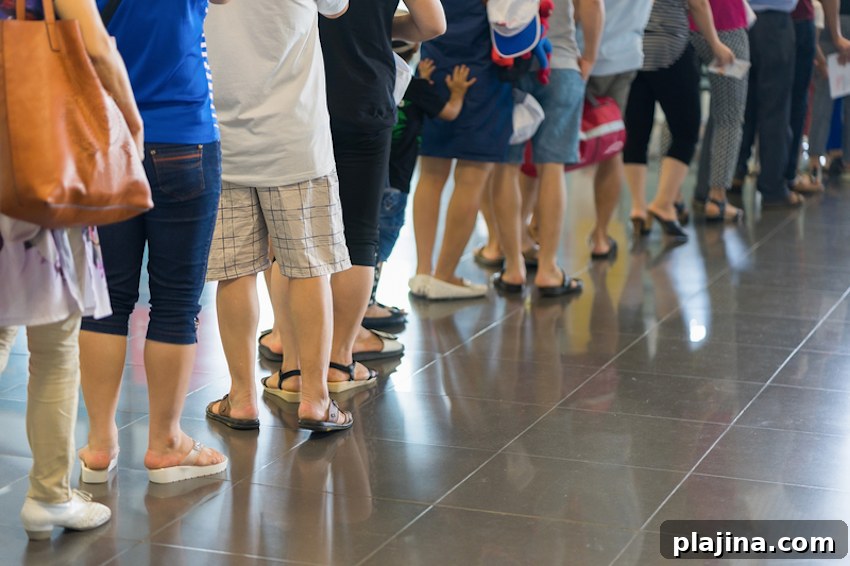
Airlines have adjusted their boarding procedures to reduce gate congestion and make the process smoother for frequent travelers and other passengers. Both Delta and United announced changes aimed at streamlining boarding and minimizing the familiar chaos that often surrounds flight departures.
Last fall, United altered its boarding setup by reducing the number of physical lines at the gate from five to two. The carrier still uses five boarding groups, but those groups now queue in just two lines so that later groups can remain seated until it’s their turn to board. United’s change relies on gate agents to manage the flow and keep groups three through five from joining the line prematurely. Passengers who use the United mobile app receive an alert when their group is ready to board, which helps keep the gate area less crowded.
Delta, on the other hand, expanded its boarding categories in January, increasing the number from six to eight. The revised system gives greater priority to elite and premium passengers while organizing the main cabin into clearer segments. The eight boarding zones are: Delta One passengers, Delta Premium Select and first-class passengers, Delta Comfort+ customers, Sky Priority members, three distinct main cabin boarding groups, and finally Basic Economy travelers. Each zone is color-coded and clearly marked on boarding passes to make it easier for travelers to identify when they should approach the gate.
Both airlines hope these adjustments will reduce the typical gate-side rush and make boarding faster and more orderly. United’s approach focuses on controlling physical queueing at the gate and using app alerts to notify travelers when it’s their turn. Delta’s strategy emphasizes clearer segmentation of passenger priority and visible cues on boarding passes so passengers understand exactly when to line up. In practice, both systems require cooperation from gate staff and passengers alike to reach their intended benefits.
The changes reflect broader industry efforts to improve the passenger experience, especially for frequent flyers and those in premium cabins who often expect quicker, less stressful boarding. For travelers, the new procedures mean paying closer attention to boarding group designations and any mobile notifications, while gate agents will need to enforce the rules consistently to prevent early line-ups and hold the schedule on time.
Ultimately, United and Delta are testing different methods to tackle the same problem: too many people crowding gate areas and boarding all at once. By reorganizing where and when passengers wait, both carriers aim to make boarding more efficient and less chaotic, benefiting passengers and airport operations alike.