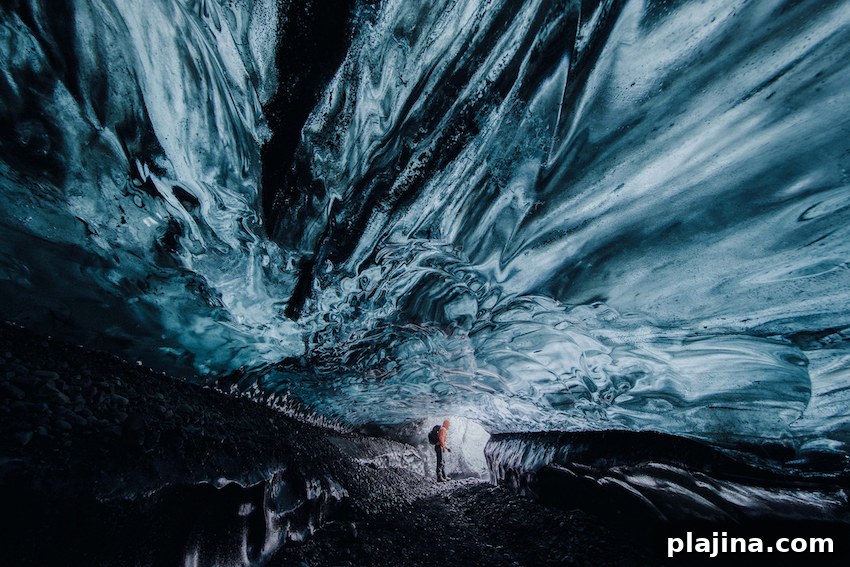
Joining the ranks of first-time travelers to Iceland? We asked local tour operator and guide Ryan Connolly of Hidden Iceland to share practical tips and insider advice to help you make the most of your visit. Hidden Iceland focuses on small-group trips with personalized, customizable service across the country.
Global Traveler: Many first-time visitors take advantage of Icelandair’s stopover program but limit their stay to an average of two days. If time is short, what do you recommend?
Ryan Connolly: With only two or three days, travelers often try to tick off the big sights while also hunting down off-the-beaten-path experiences like blue ice caves. Because of time constraints, many stick to a basic Golden Circle tour, spend time at the Blue Lagoon and explore Reykjavík, promising themselves they’ll venture farther next time. For short stays I recommend booking with a small-group operator like Hidden Iceland that can pack more experiences into a brief trip.
If you want to see the Northern Lights, walk on a glacier, watch icebergs drift in a glacier lagoon, and photograph Eyjafjallajökull on a clear day—while also visiting an ice cave—the two-day itinerary we run covers all of this. Additional stops include the Black Sand Beach, Skógafoss, Seljalandsfoss and a walk through the deep gorge of Fjaðrárgljúfur. The tour runs to and from Reykjavík, making it an ideal short break. Many travelers pair it with our Golden Circle: Platinum tour to see the geyser, bathe in the Secret Lagoon (Iceland’s oldest hot pool) and enjoy lunch at Friðheimar Tomato Farm.
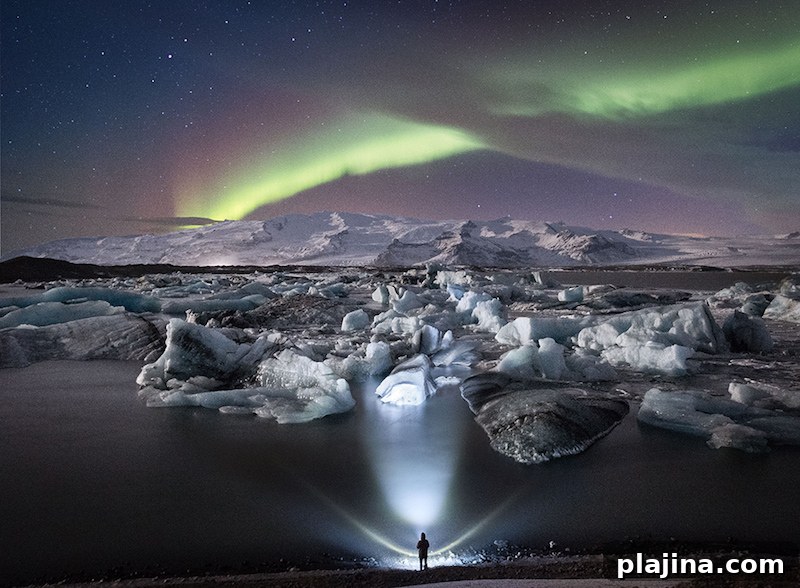
Jökulsárlón Glacier Lagoon and Northern Lights © Hidden Iceland, Photo by Tom Archer
GT: What surprised you most about living in Iceland?
RC: The weather is the biggest surprise. Iceland offers the remoteness and adventure of the Arctic without constant sub-zero temperatures. Even some ice caves feel warmer than people expect, which is why they’re seasonal. Geologically, it’s humbling to witness an island formed where two tectonic plates diverge while a volcanic hotspot pushes magma to the surface. Iceland is one of the most volcanically active countries on Earth, yet people live alongside active volcanoes in surprising harmony with the environment.
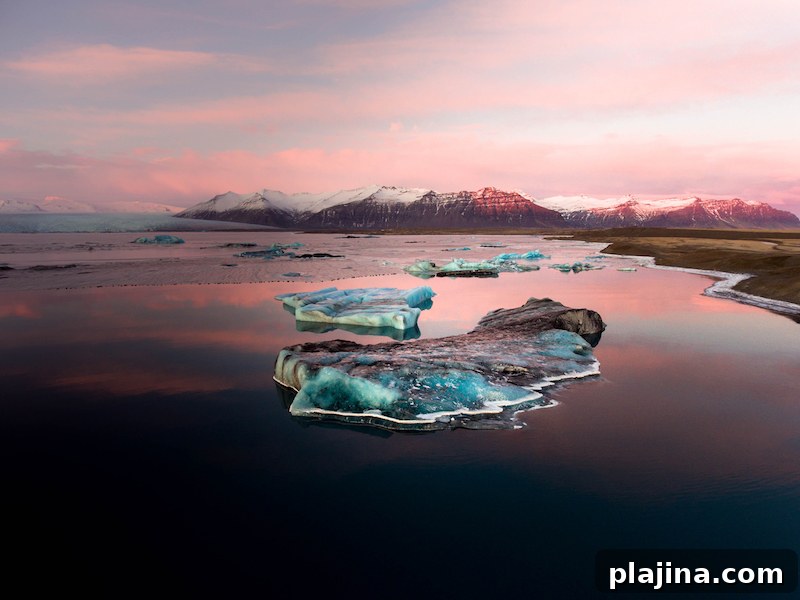
Jökulsarlón Glacie Lagoon © Hidden Iceland, Photo by Jonny Livorti
GT: Any practical tips for first-time visitors preparing before arrival? Many people imagine it’s always dark, always cold, or worry about polar bears.
RC: In winter you can sometimes experience days that feel like an endless sunrise or sunset and then see the Northern Lights—those days make you forget how brief daylight is. Ice caves are generally accessible only in winter. Temperatures are often around or above freezing, so you’re more likely to get wet than frozen. Bring waterproof pants, jacket and boots. Layering is key: warm base layers, a hat and gloves will keep you comfortable. Wind is the real weather factor that can affect travel—calm days contrast with days when strong gusts make driving hazardous—so travel with experienced drivers familiar with Icelandic conditions and you can focus on enjoying the scenery and hidden spots.
For an easy packing guide for winter travel, my co-founder Dagný Björg Stefansdottir wrote a helpful blog with practical recommendations tailored to Iceland’s climate.
GT: What Icelandic music do you recommend adding to a flight playlist to get in the right mood?
RC: On longer drives I play an Icelandic playlist to create a road-trip atmosphere. Great contemporary bands to include are Kaleo, Of Monsters and Men, and Sigur Rós—many songs will sound familiar from film and TV. I also mix in an occasional Icelandic Eurovision track to keep spirits high, especially after a long hike to ice caves along the south coast.
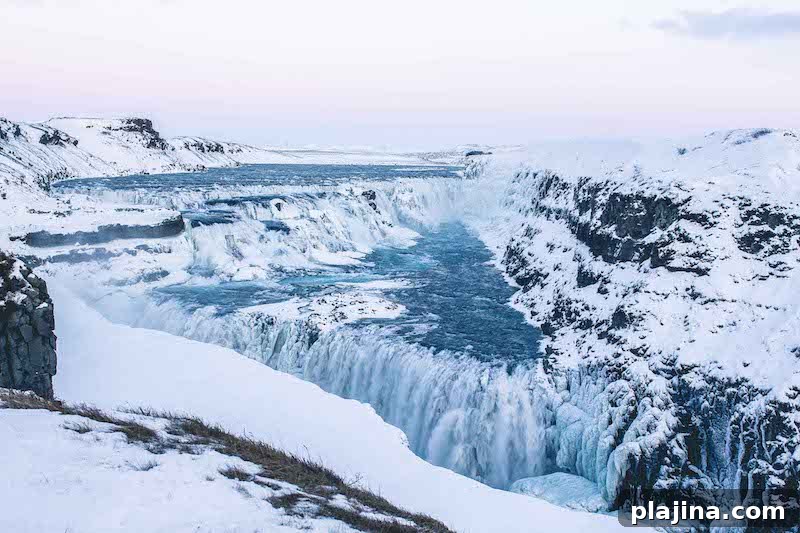
Gullfoss Waterfall, Golden Circle © Hidden Iceland. Photo by Norris Niman