
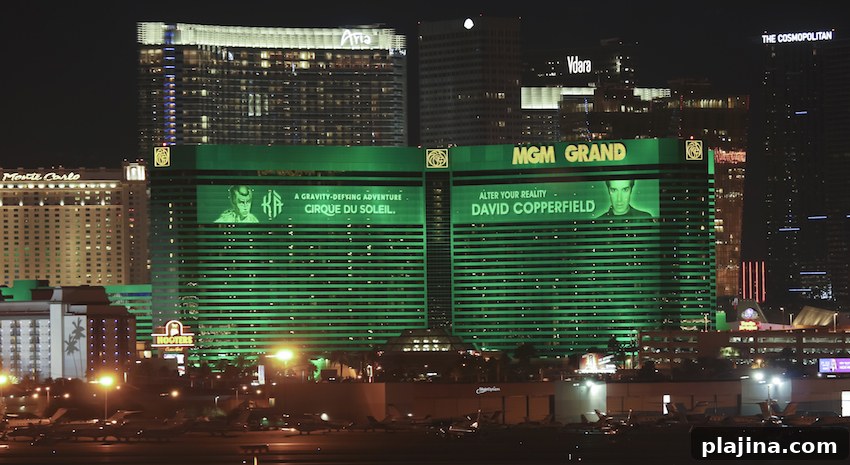
The Las Vegas shooting, the deadliest mass shooting in recent U.S. history that left 58 people dead and about 500 injured, prompted hotels nationwide to reassess their security practices.
In that attack, gunman Stephen Paddock assembled dozens of high-powered firearms and ammunition inside a room at the Mandalay Bay Resort & Casino without raising alarms. His ability to operate unnoticed has led hoteliers, security experts and regulators to ask what practical steps can reduce the risk of similar incidents.
The Mandalay Bay and other MGM properties, including the Bellagio and the MGM Grand, initially raised security in the weeks after the shooting. Some sites installed temporary metal detectors and increased uniformed patrols, but many of those visible measures were later scaled back. That raises the question: which security changes are sustainable and effective over the long term?
Hotels have considered a range of strategies aimed at prevention and earlier detection. Training front-desk staff, concierge teams and housekeeping to identify unusual behavior, patterns of delivery or extended stays that deviate from norms can help surface risks sooner. Regular and targeted background checks for certain staff roles and vendors provide another layer of assurance without affecting every guest. More systematic control of deliveries, including logging and screening packages that enter back-of-house areas, reduces the chance that weapons or large quantities of contraband are brought in unnoticed.
Technology also plays a role. Enhanced camera coverage with modern analytics can detect unusual movement or the presence of large numbers of items being moved into guest rooms. Access control systems that restrict elevator access by floor card or room key help limit who can reach guest floors. Some properties have integrated emergency communication systems that give staff direct lines to security and law enforcement, improving response times if a concern arises.
At the same time, measures like metal detectors, random baggage searches or full-screening of guests remain controversial because they can feel intrusive, slow operations and increase costs. Many hotels must balance guest experience and brand expectations with the need for stronger safety. For high-profile venues, major events or venues with large public spaces, visible screening may be appropriate; for everyday operations, hotels tend to favor covert risk-reduction measures that don’t disrupt guests.
Operational changes can be effective without becoming a burden. Clear reporting channels for staff, routine security audits, and periodic drills help ensure teams are prepared and can identify weaknesses. Collaboration with local law enforcement, participation in information-sharing networks, and adherence to industry best practices create consistency across properties and cities. Insurance requirements and regulatory guidance may also push chains to adopt higher standards.
Ultimately, preventing another attack requires a layered approach that combines people, processes and technology. No single measure guarantees safety, but thoughtful policies — such as improving staff awareness, controlling access and deliveries, using targeted surveillance and maintaining strong relationships with authorities — can substantially reduce risk while preserving the guest experience.
As the industry evolves, hotel leaders must weigh the costs and benefits of visible security versus subtle prevention tactics. Guests, too, have a role: staying aware of surroundings and reporting concerns can complement hotel efforts. By taking measured, sustainable steps, hotels can better protect patrons and staff without turning hospitality into a fortress.