
For your next getaway, travel far from the ordinary and discover some of the world’s most remote destinations. Whether you want to relax beside a hidden waterfall, explore windswept islands near the poles, or walk among alien-shaped trees on a distant archipelago, these seven locations offer solitude, extraordinary landscapes, and unique cultures. Read on to find the perfect isolated spot for your next adventure.
Whittier, Alaska
Just south of Anchorage, Whittier welcomes many cruise passengers, yet remains unusually secluded for a U.S. town. About 200 residents live here, and the only land access is a 2.6-mile tunnel that closes every night. Many inhabitants live in a single 14-story apartment tower that dates back to Cold War military developments. Despite its small size and unusual layout, Whittier is a popular base for hiking, fishing, and wildlife viewing amid dramatic coastal and mountain scenery.
Ittoqqortoormiit, Greenland
On Greenland’s eastern coast sits Ittoqqortoormiit, a settlement of roughly 500 people founded by Inuit settlers in the early 20th century. Reaching the town is a challenge: helicopters shuttle passengers to the nearest airport, which receives service only once per week. The local economy traditionally relies on hunting—particularly whales and polar bears—and the community welcomes a modest increase in visitors during the brief summer season for wildlife and cultural experiences.
Village of Supai (Havasupai Reservation), Arizona
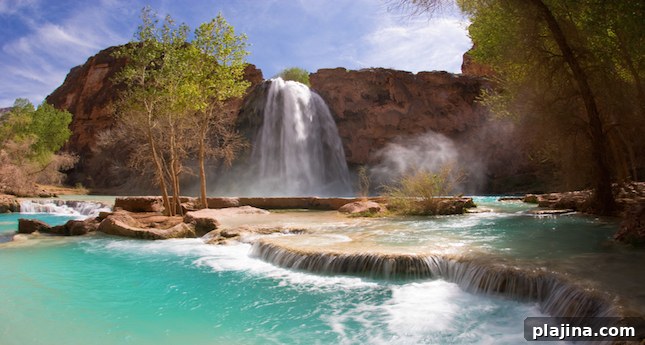
Hidden inside the Grand Canyon, the Havasupai Reservation and the Village of Supai feel profoundly remote despite being in the United States. There are no roads in; visitors arrive on foot, by mule, or by helicopter. The hike into the canyon can take up to six hours, though the reward includes stunning waterfalls and lush canyon scenery. The permanent population remains small—around 200—preserving a distinct culture and way of life.
Siwa Oasis, Egypt
Deep in Egypt’s western desert, the Siwa Oasis requires a long crossing of striking sandscapes to reach its palms and springs. This Berber community is known for well-preserved traditions, and nearby archaeological sites draw visitors from across the region. Tourism exists, but Siwa’s traditional culture remains strong and largely intact, offering travelers an authentic glimpse of life in an isolated desert oasis.
Tórshavn, Faroe Islands
Tórshavn, the capital of the Faroe Islands, sits roughly halfway between Norway and Iceland. The islands have more sheep than people and a population around 50,000 across the archipelago. For outdoor enthusiasts, the Faroes provide excellent fishing, hiking, and boating opportunities alongside a lively cultural scene. The dramatic cliffs, grassy roofs, and remote coastal villages create a sense of being far removed from the bustle of mainland life.
Socotra, Yemen
Separated from mainland Yemen by about 220 miles of open sea, Socotra feels almost extraterrestrial. The small archipelago is famous for its remarkable biodiversity: roughly 700 species found nowhere else on Earth. The island’s signature Dragon’s Blood trees, with their umbrella-like silhouettes and crimson resin, are among the most iconic sights. Populations vary across the islands, with the main island home to tens of thousands and some smaller isles uninhabited. Socotra’s unique ecosystems and landscapes make it a singular destination for nature lovers.
Deception Island, Antarctica
Don’t be misled by its ominous name—Deception Island, north of the Antarctic Peninsula, offers striking landscapes and surprising comforts. The island contains an active volcano and geothermal areas where visitors can find naturally heated waters. Most travelers reach Antarctica by first flying to Ushuaia (USH) in Argentina and then joining a tour group or expedition ship. Deception Island provides a dramatic introduction to polar exploration and is memorable for both its geology and wildlife.
These seven remote places each offer a different kind of escape: from arctic settlements and desert oases to volcanic islands and canyon villages. If solitude, dramatic scenery, and distinctive local cultures appeal to you, consider one of these destinations for a truly off-the-beaten-path trip.