
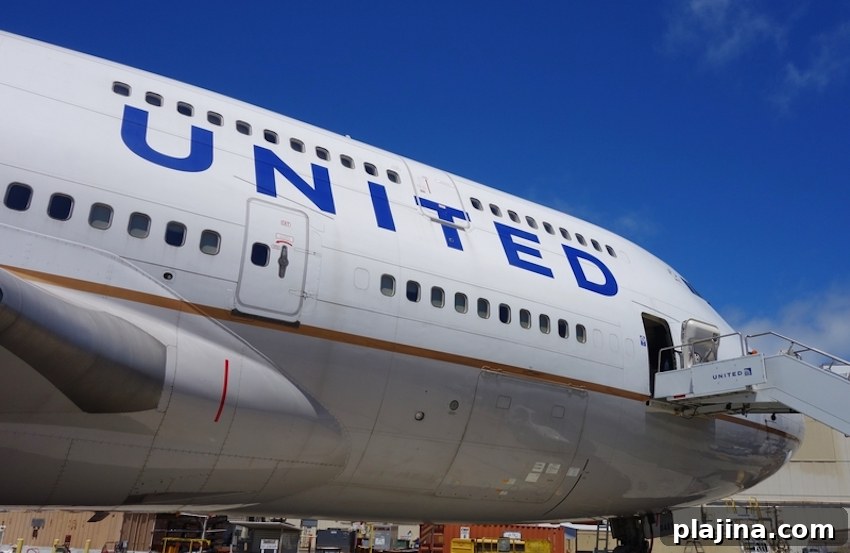
United Airlines CEO Oscar Munoz told ABC News in a recent interview that the airline industry must evolve to meet passenger expectations. He addressed concerns from frustrated travelers and highlighted several areas where carriers need to improve.
Munoz warned that seat size on airplanes has reached a tipping point. Shrinking seats and tighter legroom have left many customers dissatisfied, and he believes market forces will push change: passengers frustrated with cramped cabins will increasingly choose airlines that offer more comfortable seating.
During the interview, Munoz also discussed in-flight wireless internet, acknowledging that onboard Wi-Fi often performs poorly. He explained that delivering reliable connectivity is technically complex and that United is actively working to identify the right provider and technology to improve the experience for passengers.
Beyond hardware and services, Munoz said the industry’s culture is shifting. He described how air travel has gone from being an exciting part of a trip to a burdensome process. The cumulative stresses of leaving home, dealing with traffic, finding parking and passing through security leave many travelers frustrated long before they board.
“It’s become so stressful,” Munoz told ABC News. “From when you leave, wherever you live, to get into traffic, to find a parking spot, to get through security.” He added that by the time passengers are seated, many are already in a negative frame of mind. “Frankly, by the time you sit on one of our aircraft … you’re just pissed at the world,” Munoz said.
Munoz emphasized that making flying better isn’t about small gestures such as complimentary snacks alone; meaningful improvements must address the full journey and the systems that create stress. That includes cabin comfort, dependable onboard services like Wi-Fi, streamlined airport procedures, and a customer-focused culture across the industry.
He believes airlines that respond to these pressures—by offering more comfortable seats, improving technology, and reducing friction throughout the travel experience—will be rewarded as travelers vote with their wallets. The conversation reflects a broader industry challenge: balancing cost pressures with the need to restore the appeal and comfort of flying.
Munoz’s comments underscore a push within aviation to rethink service and infrastructure to better match passenger expectations. Rather than relying on small perks, the next wave of improvements will likely focus on tangible changes that make travel less stressful and more enjoyable from door to seat.