
The southeastern United States has a deep and living Indigenous history, and Mississippi’s culture is shaped in large part by the Native peoples who made this land home. From language and food to ceremonies and craft traditions, the state reflects the enduring presence of multiple tribes that once populated the region. For travelers who want respectful, meaningful experiences that honor and support those continuing these traditions, the following sites and events offer excellent ways to connect.
In Pearl, the Chahta Immi Cultural Center provides an immersive look into the heritage of Mississippi’s largest tribe, the Choctaw. The center highlights Choctaw pottery and the ongoing efforts to revitalize this art form, features language resources, and interprets a range of traditional arts while presenting the tribe’s history and cultural practices in accessible displays and programs.
Each summer, the Choctaw Indian Fair takes place on Choctaw homeland and features the World Champion Stickball Games. The fair showcases tribal music and dance, traditional foods, and handmade crafts, offering visitors a chance to experience community life and ceremonial sport in a festive setting.
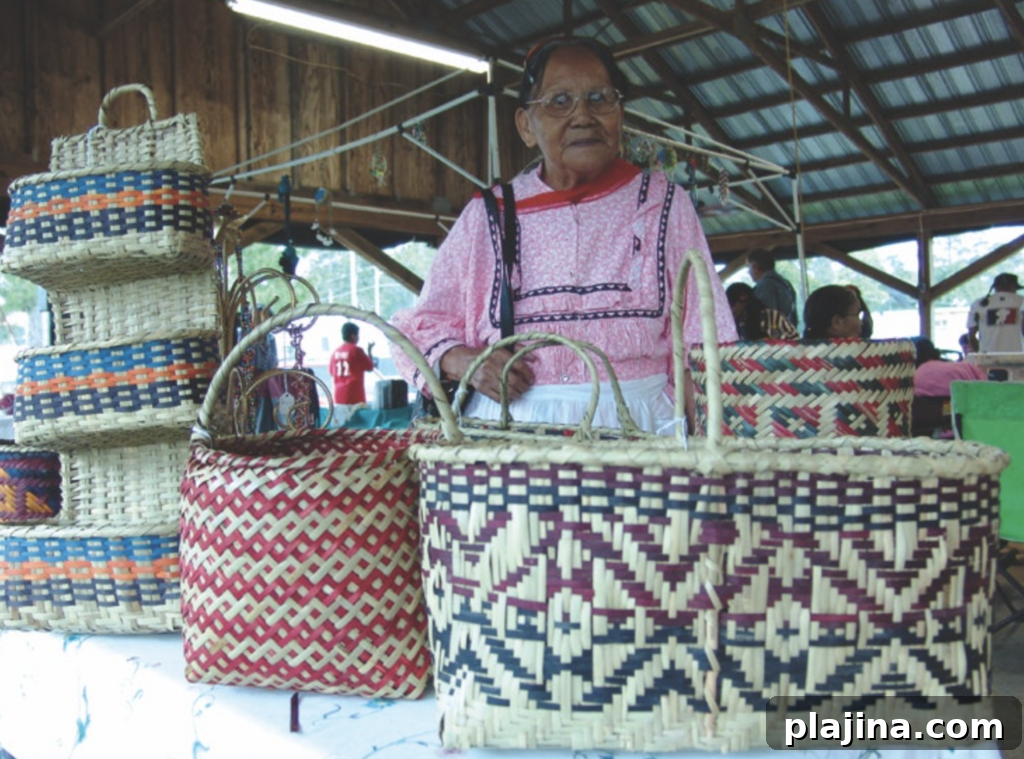
© Visit Mississippi
The Natchez Trace Parkway is one of Mississippi’s most significant and scenic routes. This roughly 444-mile corridor follows paths used for centuries by the Choctaw, Chickasaw and Natchez peoples. Near the town of Natchez sits Emerald Mound, the second-largest Native American ceremonial mound in the United States, constructed about 800 years ago. Travelers along the parkway can enjoy scenic drives, hiking, horseback riding and camping, all while reflecting on the deep human history embedded in the landscape.
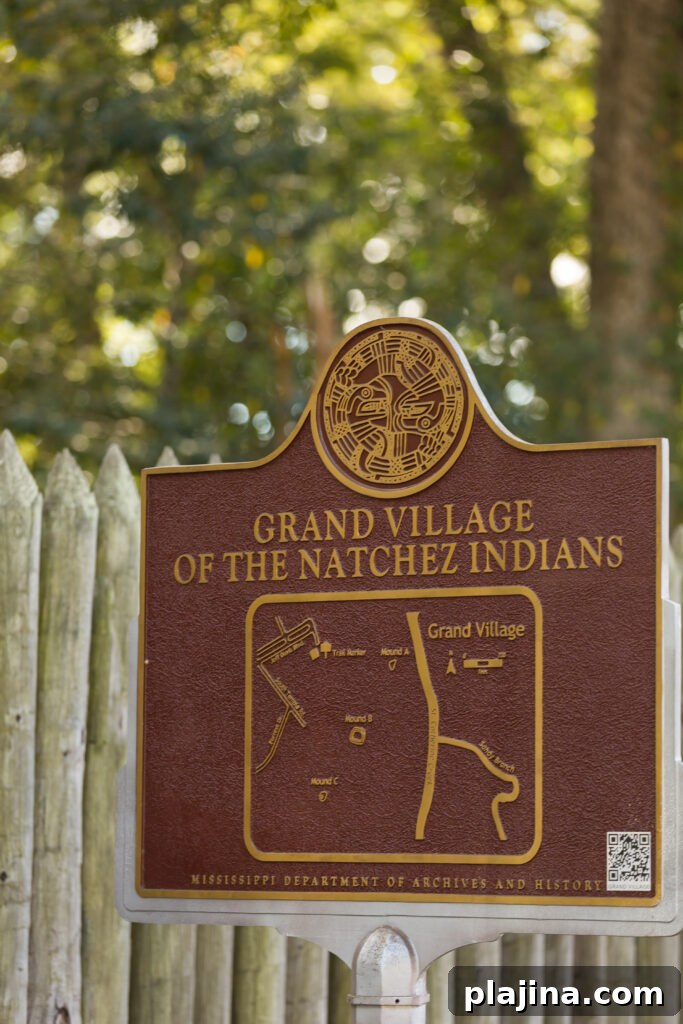
© Visit Mississippi
Tupelo, located within Chickasaw homelands, has expanded its interpretation of local Indigenous history with the opening of the Chickasaw Heritage Center and the Chickasaw Heritage Trail. The trail links seven sites across the area, each presenting a different chapter of the Chickasaw story and illustrating how the tribe’s legacy continues to shape the region today. These resources help visitors gain a clearer, place-based understanding of the Chickasaw Nation’s connection to Tupelo and surrounding lands.
Whether you are exploring museums and cultural centers, attending seasonal festivals, or traveling the historic Natchez Trace, Mississippi offers many opportunities to learn about and support Indigenous communities. Approach these experiences with curiosity and respect: ask questions, purchase crafts directly from artists when possible, follow site guidelines, and honor the living cultures you encounter. Doing so deepens your visit and contributes to the resilience of Mississippi’s first peoples.