
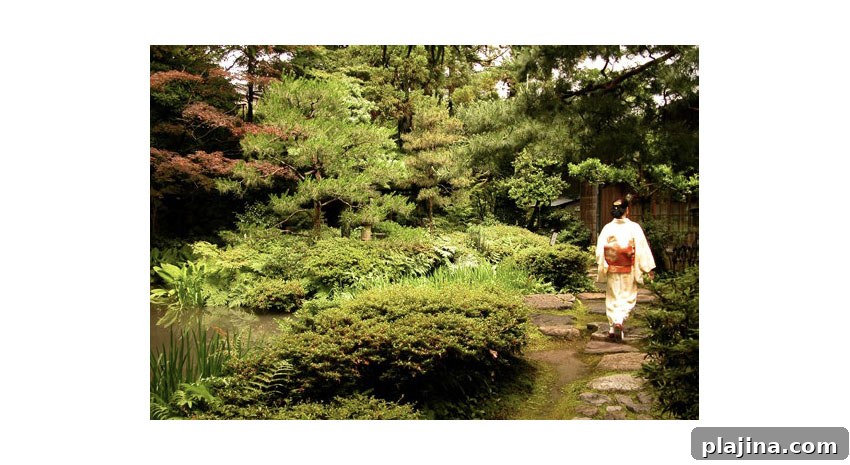
Taking part in a Japanese tea ceremony may at first seem like a quaint, even antiquated ritual with little connection to modern life. Yet like meditation or a walk through nature, the tea ceremony can clear the mind of everyday clutter and open a path to quiet reflection. The Japanese name for the ceremony, chado (also cha-no-yu) — the Way of Tea — hints at the careful etiquette and meaningful choreography that shape this tradition.
I discovered the depth of the practice years ago when a fellow guest at a Japanese inn asked if she could practice serving me tea. She apologized for her inexperience, calling herself an apprentice, and when I asked how long she had studied she replied, “only seven years.” At first that surprised me, but as I observed the concentration she brought to every tiny movement — from preparing the matcha powder to presenting the bowl — I understood how much discipline the art requires. It became clear that equating the tea ceremony with dropping a teabag in hot water was as unfair as comparing casual bouquets to ikebana, the formal Japanese art of flower arrangement.
Tea arrived in Japan from China around the ninth century and was initially used for medicinal and religious purposes, including helping Buddhist monks remain alert during long meditation sessions. Over time tea and its rituals spread through the aristocracy and to feudal lords who embraced the practice, sometimes building simple tea huts in tranquil gardens specifically for ceremonies. Influenced by Zen aesthetics and the samurai’s emphasis on discipline, the tea ceremony evolved around principles of simplicity, harmony, hospitality and refinement.
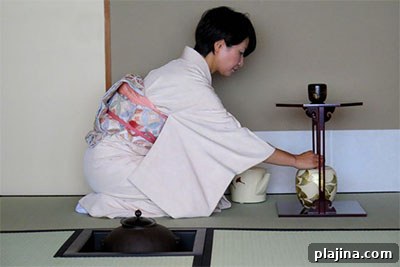
Tea ceremony masters © BETH REIBER
Modern chado follows a carefully prescribed sequence in which every action carries symbolic weight. Much of the ceremony’s formality traces to the teachings of Sen no Rikyū, the influential 16th-century tea master. The placement of utensils, the method of heating water, and the motions used when preparing, serving and drinking tea are governed by convention. The ceremony also adapts to the seasons: the tea bowl, the seasonal sweets served to balance matcha’s bitterness, and the simple floral display in the tearoom’s alcove all change with the calendar. The ritual uses its own vocabulary, assigns guests roles and seating order, and often requires formal training through established tea schools that emphasize composure, etiquette and respect.
Traditional tearooms are modest and intimate, often accommodating no more than five guests. After removing shoes, guests enter through a deliberately low door that requires a bow or crawl, an expression of humility. Seating is on tatami mats. The host begins by cleansing the utensils, then blends powdered green tea with hot water in a bowl and whisks it to a frothy consistency. When the first guest receives the bowl, they say, “Osakini shitsureishimasu,” a polite apology for drinking first; the phrase is then passed down to each subsequent guest. Guests are encouraged to admire the tea bowl and praise the flavor of the tea as part of the shared experience.
In practice, the tea ceremony varies depending on where it takes place and how much time is available. In Tokyo, shorter versions are often offered in hotels, allowing visitors to experience aspects of the ritual in 20- to 30-minute sessions in traditionally furnished tearooms.
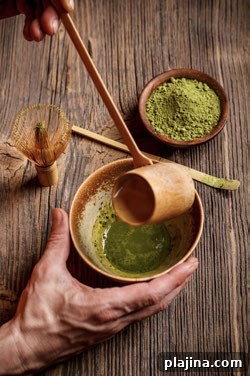
Matcha tea used for the tea ceremony © GRAFVISION | DREAMSTIME.COM
Still, few experiences match enjoying a ceremony with a view of a landscaped garden. Many traditional Japanese gardens incorporate teahouses overlooking ponds or quiet scenery, where guests sit on tatami, sip frothy matcha, taste a small sweet to offset the tea’s bitterness, and contemplate the view. Hotels with extensive gardens sometimes host ceremonies in their own teahouses, and a number of organizations and cultural centers around the country offer opportunities for visitors to participate in guided tea ceremonies and related traditional experiences.
Regardless of setting, the tea ceremony endures as a practice that cleanses the mind and fosters presence. Even samurai used the ritual as a form of spiritual respite during campaigns. One of my most memorable experiences occurred in Kanazawa’s Gyokusen-en garden, where an elderly hostess in kimono told me, “The tea ceremony is not a show but rather the chance to share our one moment together.” In that peaceful setting, her words and the quiet garden paused time and made the moment significant.
Info to Go
Major gateways to Japan include Narita International Airport outside Tokyo and Kansai International Airport serving the Osaka–Kyoto region; both offer direct limousine buses to many hotels and are well connected by train. Haneda Airport, closer to central Tokyo, handles an increasing number of international flights and can be more convenient for many travelers.