
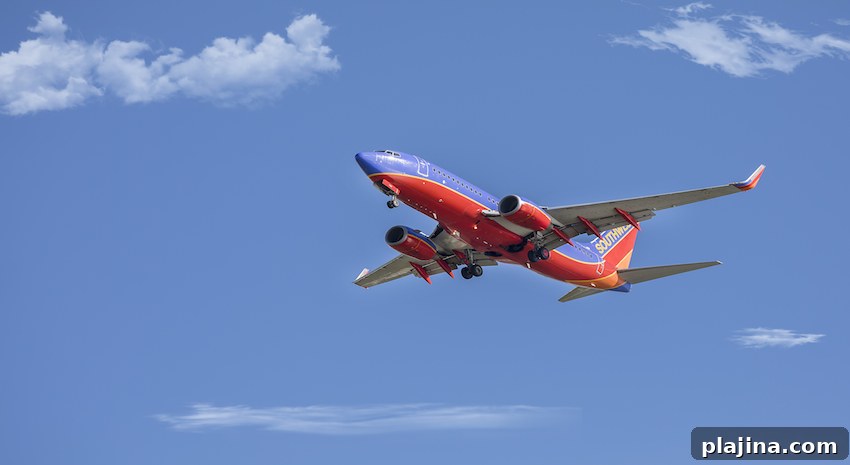
In May, Southwest Airlines and Amadeus IT Group introduced the final version of their joint Passenger Service System, the Amadeus Altéa PSS. The system is now operational in 101 domestic and international airports worldwide. Since its initial rollout in December, Altéa had been used primarily at international airports; the May release expanded full functionality to Southwest’s entire network.
As of May 8, all Southwest employees are using Altéa to handle reservations and passenger services. The upgraded system adds several practical features: the ability to rebook passengers quickly during disruptions or schedule changes; tools to minimize connection times; options to offer red-eye flights for longer routes; and the flexibility to vary schedules week to week. These enhancements are especially useful for frequent and business travelers who benefit from more schedule choices and more predictable connections.
Southwest has implemented the new PSS while focusing on cost control in a highly competitive market. The Altéa deployment complements the airline’s other customer-centric moves, including efforts to eliminate overbooking. Together, these initiatives are part of Southwest’s strategy to make travel smoother, more reliable, and more traveler-friendly.
The rollout across domestic and international airports reflects a broader trend in the airline industry toward integrated, modernized reservation and operations platforms. By consolidating reservation, inventory and departure control capabilities into a single system, Southwest aims to improve operational efficiency, reduce delays related to manual processing, and enhance the overall passenger experience.
Employees report that the new tools streamline routine tasks at ticket counters and operations centers, helping agents and ground staff manage re-accommodations, boarding priorities and connection protection more effectively. For passengers, this should translate into fewer missed connections, faster rebooking in the event of disruptions, and clearer communication about alternatives when flights change.
Maintaining low costs while upgrading technology remains a key part of Southwest’s competitive approach. The airline’s investment in Altéa supports both short-term operational improvements and long-term flexibility, allowing schedule adjustments and service innovations without a large increase in overhead. By modernizing its PSS, Southwest can respond faster to demand shifts and tailor offerings—such as additional red-eye services—where they make sense for customers and network efficiency.
Overall, the full deployment of the Amadeus Altéa PSS represents a meaningful shift in how Southwest manages passenger services and reservations. With broader functionality now available across 101 airports, the airline is positioned to deliver more reliable connections, quicker disruption recovery, and a better experience for frequent and business travelers while continuing to prioritize cost efficiency and customer convenience.