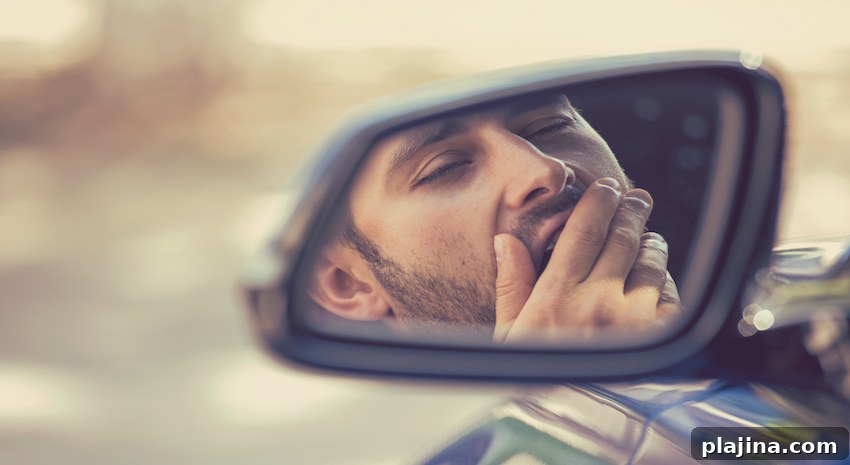
Uber will require drivers to take at least six hours off after every 12 hours they spend driving for the ride-hailing company.
In a blog post announcing the new policy, Sachin Kansal, Uber’s director of product management, said the change aims to reduce drowsy driving. Recent research indicates that a notable share of American drivers report nodding off at the wheel in short timeframes, underscoring the safety risks associated with long driving shifts.
“While nearly 60 percent of U.S. drivers use Uber less than 10 hours a week, we want to do our part to help prevent drowsy driving,” Kansal wrote, emphasizing the company’s intention to balance safety with drivers’ need for flexibility.
Under the updated system, Uber will track both on-call time and active driving time and provide warnings as drivers near the 12-hour threshold. Once a driver reaches that 12-hour limit, the app will block access for six hours, ensuring a mandatory rest period.
Kansal said the policy is designed to “strengthen our approach to help keep riders and drivers safe on the road while preserving the flexibility drivers tell us they love.” The company framed the change as a safety measure that integrates with existing driver tools and notifications.
Supporters in the road safety community noted the potential benefits. “This new feature has tremendous potential to protect not only Uber driver-partners, but also their passengers and, ultimately, all road users,” said Jonathan Adkins, executive director of the Governors Highway Safety Association.
The policy reflects a broader focus on reducing fatigue-related incidents in transportation by limiting extended continuous driving and encouraging rest. By combining automated tracking with in-app alerts and enforced downtime, Uber aims to address drowsy driving without imposing rigid schedules on drivers who rely on the platform for flexible work.
As the policy rolls out, drivers can expect clear notifications as they approach the limit and a mandatory six-hour break once the cap is reached. Uber has positioned this change as a safety-first update that seeks to protect riders, drivers, and the public while maintaining the platform’s flexible earning model.