
Skyscrapers rise throughout Malaysia’s capital, Kuala Lumpur, giving the city a constant sense of motion. Businesspeople in dark suits mix with young tourists, and the pace feels brisk. Founded by a small group of tin miners in the mid-1800s, Kuala Lumpur has grown into one of Southeast Asia’s key destinations for business travelers.
Often called KL by locals, the city is more than a cluster of glass towers. Its economy spans many industries — from footwear and textiles to information technology and petroleum — reflecting the city’s broad diversity. Interspersed among the high-rise offices are traditional Chinese shophouses and colonial-era buildings, and the city’s Malay, Chinese, and Indian communities shape both its culture and its business customs.
When doing business in Kuala Lumpur, be mindful of cultural differences in greetings and etiquette. Many Malay and Indian professionals may avoid handshakes with members of the opposite sex, and some Chinese businesspeople may look down briefly when introduced as a sign of respect. Professional and honorific titles are commonly used: Malays and Indians typically pair titles with a first name, while Chinese partners usually pair them with a surname.
Even with a packed schedule, take time for the city views. The Petronas Towers, twin glass-clad skyscrapers rising 1,483 feet, are connected by a sky bridge 558 feet above the ground. Access to the bridge is limited and reservations for elevator access must be made in person; spots can fill up quickly, often by mid-morning. Arrive early to secure a ticket, then relax with a coffee or breakfast at Suria KLCC, the six-story shopping mall at the towers’ base, while you wait.
For dining with a panoramic backdrop, Atmosphere 360 in one of the city’s tallest towers offers a revolving restaurant experience with 360-degree views and a starry fiber-optic ceiling. The buffet menu accommodates a wide range of tastes, making it well suited for entertaining diverse clients. Note that the dining room rotates, so your table may have shifted by the time you return from the buffet.
The rooftop bar and pool at Aloft Hotel © Ellen Clark
For evening drinks in a stylish setting, the rooftop Mai Bar at the modern Aloft Hotel is a popular choice. The tiki-inspired lounge and poolside area provide a lively backdrop for business socializing. Try the signature Malaysian Princess Mai Tai if you like adventurous cocktails — it blends rum with blueberries and kaffir lime, then is finished with golden rum and tropical juices, so sip responsibly.
Kuala Lumpur offers many high-end hotels catering to business travelers in the downtown area. The Grand Millennium, located on Bukit Bintang’s main shopping avenue, is frequently recommended for its meeting space and business services. Its conference facilities, business center, and secretarial services support corporate needs efficiently.
For longer stays, serviced suites are a practical alternative to traditional hotels. PARKROYAL and similar properties provide apartment-style suites with on-site business centers offering printing, photocopying, scanning, secretarial support, and rentable meeting rooms — useful for extended business assignments.
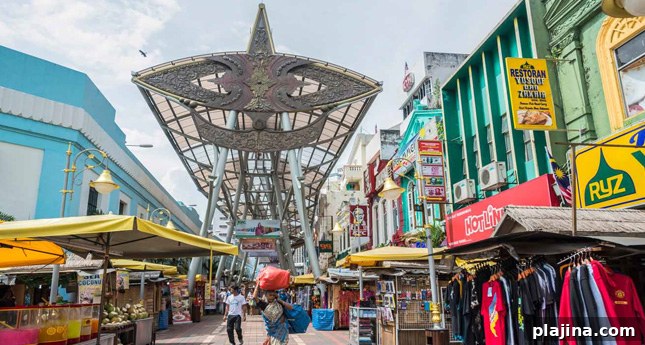
A short walk from Merdeka Square and adjacent to Chinatown, Central Market is a historic landmark that has evolved from a wet market into a bustling arts and crafts center. Housed in a two-story 1928 building, the air-conditioned market offers a wide range of souvenirs, handicrafts, clothing, and antiques, making it a convenient place to meet a client for lunch and pick up gifts to bring home.
Getting around Kuala Lumpur is generally straightforward thanks to the LRT (Light Rail Transit) system, but lines do not always connect directly. In those cases, buses that depart frequently from many LRT stations provide convenient onward travel to reach your destination.